Understanding RBD coconut oil quality standards is essential for companies that import coconut-based ingredients for food and cosmetic manufacturing. International buyers evaluate refined coconut oil based on measurable parameters such as free fatty acid levels, moisture content, color, and odor. These indicators confirm whether the oil meets export-grade specifications.
For QA managers and product developers, quality standards ensure consistent performance in formulations. In addition, regulatory compliance helps importers avoid shipment rejection and maintain stable supply chains.
What Is RBD Coconut Oil?
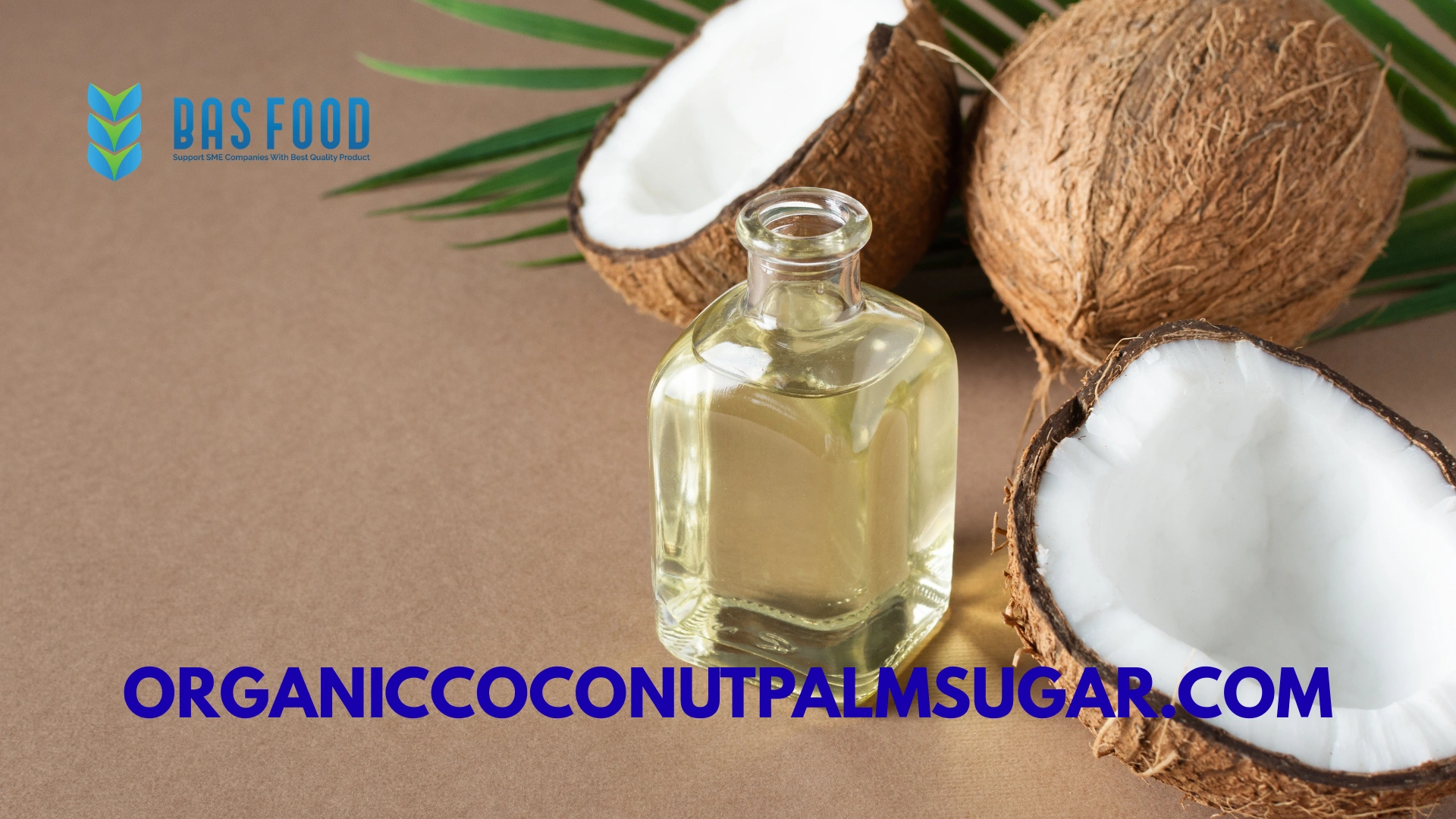
RBD coconut oil refers to coconut oil that has been Refined, Bleached, and Deodorized. This process removes impurities, natural odor compounds, and color pigments from crude coconut oil.
As a result, the oil becomes neutral in taste and aroma. Therefore, it suits applications where manufacturers need a stable and consistent ingredient.
Food processors, cosmetic brands, and pharmaceutical formulators commonly use RBD coconut oil because it offers reliable physical and chemical properties.
Why RBD Coconut Oil Quality Standards Matter
Manufacturers rely on consistent ingredient specifications when producing large-scale products. Even small variations in oil composition can affect flavor, shelf life, or cosmetic texture.
For example, food companies require oils with low free fatty acid levels. Meanwhile, cosmetic brands prioritize clarity, neutral odor, and oxidative stability.
Consequently, strict RBD coconut oil quality standards help suppliers meet the expectations of global industries.
Key RBD Coconut Oil Quality Standards
Export-grade coconut oil follows several measurable specifications. Laboratories test these parameters before shipment.
Free Fatty Acid (FFA) Level
FFA level indicates the degree of hydrolysis in the oil. High FFA values may signal poor storage or degradation.
Most international buyers require FFA levels below 0.1%–0.5% for refined coconut oil. Lower values indicate better processing quality.
Moisture and Impurities
Moisture content must remain extremely low. Excess water can trigger microbial growth and oxidation.
Export standards typically require moisture and impurities below 0.1%. Therefore, careful filtration and drying processes are essential.
Color and Appearance
Color evaluation often follows industry standards such as the Lovibond scale. High-quality RBD coconut oil should appear clear and almost colorless.
In most cases, the oil ranges between 0.5–1.5 Lovibond units. This indicates proper bleaching and filtration.
Odor and Taste
Deodorization removes the natural coconut aroma. The final product should have a neutral smell and mild taste.
This characteristic allows manufacturers to use the oil without altering flavor profiles in food or fragrance in cosmetics.
International Regulations Affecting Coconut Oil Quality
Global trade requires compliance with multiple regulatory frameworks. These rules ensure ingredient safety and traceability.
Organizations such as the Codex Alimentarius Commission publish standards for edible oils used in international markets.
Additionally, regional regulations in Europe, North America, and Asia define acceptable limits for contaminants, residues, and processing methods.
Processing Steps That Influence Oil Quality
Each stage of production affects the final chemical profile of RBD coconut oil. Manufacturers must control temperature, filtration, and refining parameters carefully.
First, producers extract crude coconut oil from dried coconut kernel, also known as copra. Then, the oil passes through refining and bleaching stages.
Finally, deodorization removes volatile compounds using high-temperature steam. This process produces the neutral oil used in food and cosmetic applications.
Quality Control and Laboratory Testing
Exporters conduct laboratory testing to verify compliance with RBD coconut oil quality standards. Analytical tests measure chemical composition and purity.
Typical laboratory analyses include:
- Free fatty acid measurement
- Moisture content analysis
- Peroxide value testing
- Color measurement using Lovibond scale
Moreover, laboratories may evaluate heavy metal contamination and microbial presence.
Packaging and Storage Requirements
Packaging plays a key role in maintaining oil quality during international transport. Exposure to air, heat, or moisture can degrade refined oils.
Exporters usually pack RBD coconut oil in food-grade drums, flexitanks, or ISO tanks. These containers protect the product during long-distance shipping.
Additionally, warehouses should maintain clean, dry environments. Proper storage conditions prevent oxidation and preserve product stability.
Supply Chain Experience and Export Compliance
Suppliers with international export experience often maintain stronger quality management systems. Handling multiple commodities requires strict compliance procedures.
For instance, CV Bonafide Anugerah Sentosa exports coconut-based products, spices, cocoa derivatives, and fishery commodities.
Seafood exports involve strict traceability and temperature control. Companies shipping species such as Bluefin tuna and Yellowfin tuna must follow rigorous export documentation and cold chain management.
Because of this experience, exporters often apply similar quality control discipline to coconut-derived ingredients.
Risks When Quality Standards Are Not Met
Failure to meet specifications can create serious problems for both buyers and suppliers. Shipments may face rejection during import inspection.
Quality deviations may also affect product performance. For example, oils with high moisture levels can oxidize faster and reduce shelf life.
Therefore, exporters must verify specifications through laboratory testing before shipment.
Best Practices for Importers and QA Teams
Importers should request a certificate of analysis (COA) for every shipment. This document confirms compliance with required specifications.
Additionally, QA teams often perform their own laboratory testing after receiving shipments. This step ensures that products match supplier documentation.
Long-term buyers also evaluate supplier certifications, production audits, and traceability systems.
Conclusion
International manufacturers depend on consistent ingredient specifications. Clear RBD coconut oil quality standards help ensure reliability in both food and cosmetic formulations.
These standards define acceptable limits for FFA levels, moisture, color, and odor. When exporters follow strict testing and processing procedures, they support safe and stable supply chains for global industries.
FAQ Section
1. What are RBD coconut oil quality standards?
RBD coconut oil quality standards define measurable parameters such as free fatty acid level, moisture content, color, and odor.
2. Why is low FFA important in refined coconut oil?
Low free fatty acid levels indicate good refining quality and help extend product shelf life.
3. What moisture level is acceptable for export-grade coconut oil?
Most international buyers require moisture and impurities below 0.1%.
4. Is RBD coconut oil used in cosmetics?
Yes. Cosmetic manufacturers use RBD coconut oil because it has a neutral odor and stable chemical profile.
5. How do buyers verify coconut oil quality?
Buyers typically review certificates of analysis and may conduct laboratory testing to confirm specifications.
Contact CV Bonafide Anugerah Sentosa how we can provide the best solutions for you. WhatsApp: +62 8213 4505 737, Email: info@bonafideanugerahsentosa.com / bas.mdir@gmail.com.