RBD coconut oil quality control plays a critical role in global trade, especially for buyers who demand consistency, safety, and compliance. From raw coconut processing to final shipment, every step affects the oil’s purity and performance. Therefore, understanding how exporters maintain standards helps procurement teams reduce sourcing risks.
In international markets, buyers do not only evaluate price. Instead, they focus on traceability, refining processes, and compliance with food and cosmetic regulations. This article explains how quality is maintained across the entire supply chain.
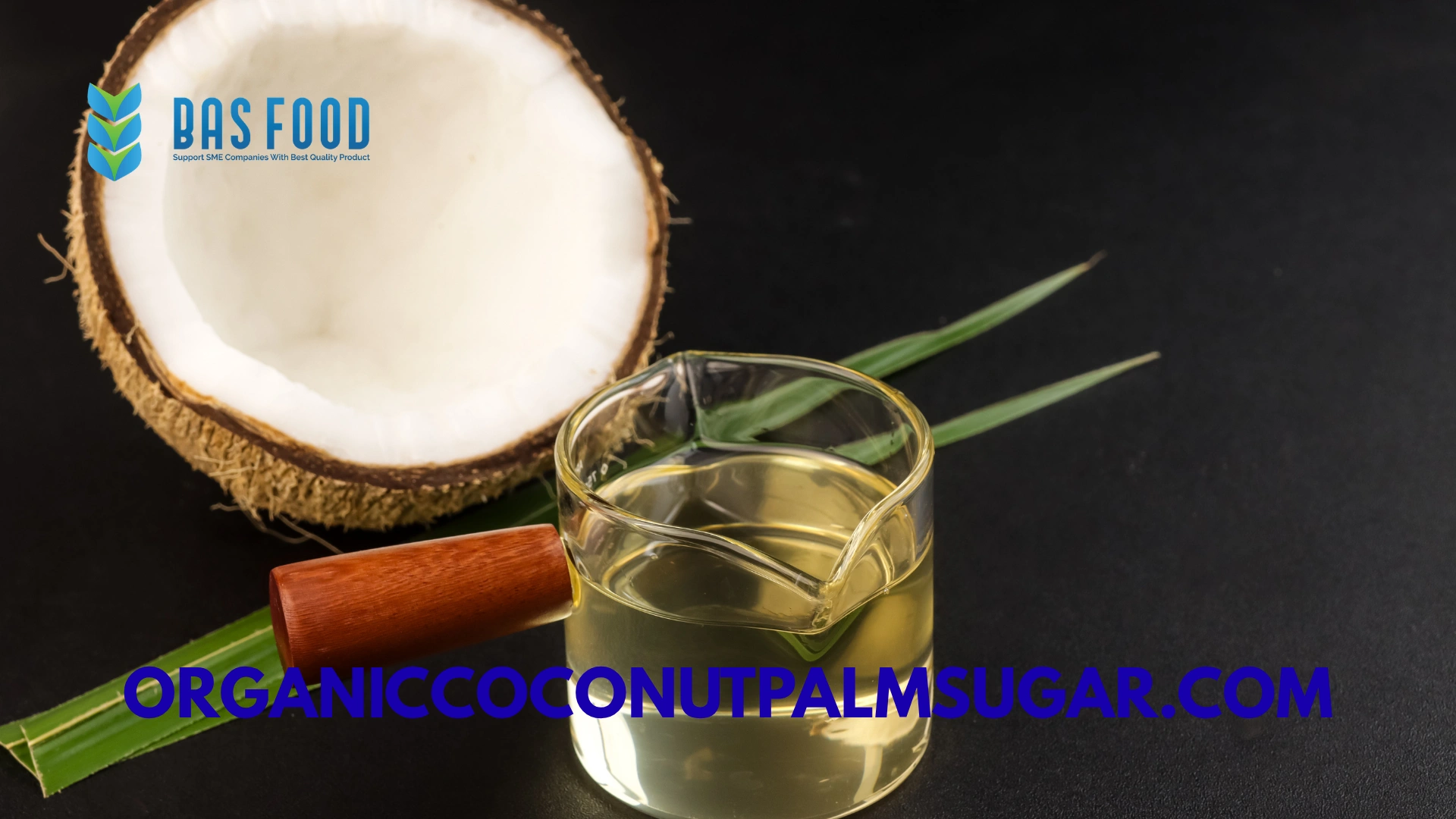
Understanding RBD Coconut Oil and Its Industrial Importance
RBD coconut oil stands for refined, bleached, and deodorized coconut oil. It is widely used in food manufacturing, cosmetics, and industrial applications. Because of its neutral smell and stable composition, manufacturers prefer it for large-scale production.
Moreover, consistent quality is essential for maintaining product formulations. Even small variations in color, odor, or fatty acid profile can affect final products. That is why RBD coconut oil quality control becomes a priority for exporters and buyers alike.
Why RBD Coconut Oil Quality Control Matters in Global Trade
Quality control ensures that the oil meets international standards before it reaches buyers. Without strict checks, products may fail regulatory inspections or damage brand reputation. As a result, buyers often require detailed specifications and lab reports.
In addition, consistent quality supports long-term supply agreements. Buyers need assurance that each shipment matches previous batches. Therefore, exporters must implement structured quality control systems from the beginning of production.
Raw Material Selection and Coconut Sourcing
High-quality RBD coconut oil starts with proper coconut selection. Mature coconuts contain higher oil content and better stability. Farmers and suppliers must follow consistent harvesting practices.
Furthermore, traceability is essential at this stage. Exporters track the origin of coconuts to ensure compliance with sustainability and organic standards. This approach also helps identify potential risks early in the supply chain.
Initial Processing: Copra and Crude Oil Extraction
The first processing stage involves drying coconut meat into copra or extracting crude oil directly. This step significantly affects final oil quality. Poor drying methods can introduce contaminants or increase free fatty acid levels.
Therefore, processors monitor moisture content and hygiene closely. They use controlled drying systems and clean facilities to maintain product integrity. These practices form the foundation of effective RBD coconut oil quality control.
Refining Stage: Removing Impurities
Degumming and Neutralization
Refining begins with removing gums and free fatty acids. These components can affect taste, shelf life, and stability. Processors use chemical or physical methods to achieve this.
Bleaching Process
Next, bleaching removes pigments and impurities. This step improves the oil’s color and clarity. Activated clay or carbon is commonly used in this process.
Deodorization
Finally, deodorization removes unwanted odors through steam distillation. This stage ensures a neutral aroma, which is essential for food and cosmetic applications.
Each step must be carefully controlled. Otherwise, the oil may lose its functional properties.
Key Parameters in RBD Coconut Oil Quality Control
Several measurable factors define oil quality. Buyers often request detailed specifications before approving shipments.
Key parameters include:
- Free Fatty Acid (FFA) level
- Moisture and impurities
- Color (Lovibond scale)
- Odor and taste
- Peroxide value
Maintaining these within acceptable ranges ensures compliance with international standards. As a result, exporters must conduct regular laboratory testing.
Compliance With International Standards and Regulations
Global markets impose strict requirements on edible and cosmetic oils. For example, food-grade oil must comply with safety standards in the EU and USA. Similarly, cosmetic-grade oil must meet purity and stability criteria.
In addition, documentation plays a key role. Exporters provide certificates such as HACCP, ISO, and sometimes Halal certification. These documents confirm that proper RBD coconut oil quality control systems are in place.
Quality Control in Packaging and Storage
Packaging directly affects product stability during transport. Exporters use food-grade containers such as drums, flexitanks, or IBC tanks. Each option must protect the oil from contamination and oxidation.
Storage conditions also matter. Oil should be kept in clean, dry, and temperature-controlled environments. This prevents degradation before shipment.
Cold Chain and Logistics Considerations
Although coconut oil is relatively stable, temperature fluctuations can still affect quality. In colder climates, the oil may solidify, which can impact handling and perception.
Therefore, exporters plan logistics carefully. They consider shipping routes, transit time, and container conditions. These steps ensure that the oil arrives in optimal condition.
Interestingly, similar logistics principles apply in seafood exports, such as handling tuna species like bluefin or yellowfin. In both cases, temperature control and traceability are essential for maintaining product quality.
Risk Factors That Affect Oil Consistency
Several risks can compromise quality during production and export. These include contamination, inconsistent raw materials, and improper refining processes.
Additionally, poor documentation can delay customs clearance. Buyers may reject shipments if certificates are incomplete or inconsistent. Therefore, managing risks requires both technical control and administrative accuracy.
Best Practices for Ensuring Consistent Quality
Exporters who maintain high standards follow structured best practices. These include strict supplier selection, routine lab testing, and documented procedures.
Moreover, they invest in modern processing technology. Advanced refining equipment improves efficiency and consistency. As a result, buyers receive uniform products across multiple shipments.
The Role of Experienced Exporters in Quality Assurance
Reliable exporters play a key role in maintaining product standards. Companies like CV Bonafide Anugerah Sentosa operate across multiple sectors, including coconut products, spices, cocoa, and fishery exports.
Their experience in handling diverse commodities strengthens their understanding of international trade compliance. For example, managing seafood exports requires strict cold chain logistics and regulatory adherence. These same principles support strong RBD coconut oil quality control systems.
Traceability and Transparency in the Supply Chain
Modern buyers expect full transparency. They want to know where the product comes from and how it is processed. Therefore, traceability systems are becoming standard in the industry.
Exporters document every stage, from raw material sourcing to final shipment. This approach builds trust and supports long-term partnerships.
Conclusion: Building Trust Through Consistent Quality Control
RBD coconut oil quality control is not a single step. Instead, it is a continuous process that starts with coconut sourcing and ends with final delivery. Each stage contributes to product consistency and compliance.
For international buyers, understanding this process reduces uncertainty. It also helps them choose suppliers who prioritize quality, traceability, and global standards. In the long run, consistent quality builds trust and supports sustainable trade relationships.
FAQ Section
1. What is RBD coconut oil used for?
RBD coconut oil is used in food processing, cosmetics, and industrial products due to its neutral smell and stable composition.
2. Why is quality control important for RBD coconut oil?
Quality control ensures the oil meets safety, purity, and consistency standards required in international markets.
3. What are the key quality parameters for RBD coconut oil?
Important parameters include FFA level, moisture content, color, odor, and peroxide value.
4. How do exporters maintain oil quality during shipping?
They use proper packaging, controlled storage, and planned logistics to prevent contamination and degradation.
5. What certifications are required for exporting coconut oil?
Common certifications include HACCP, ISO, and sometimes Halal, depending on the target market.
Contact CV Bonafide Anugerah Sentosa how we can provide the best solutions for you. WhatsApp: +62 8213 4505 737, Email: info@bonafideanugerahsentosa.com / bas.mdir@gmail.com.