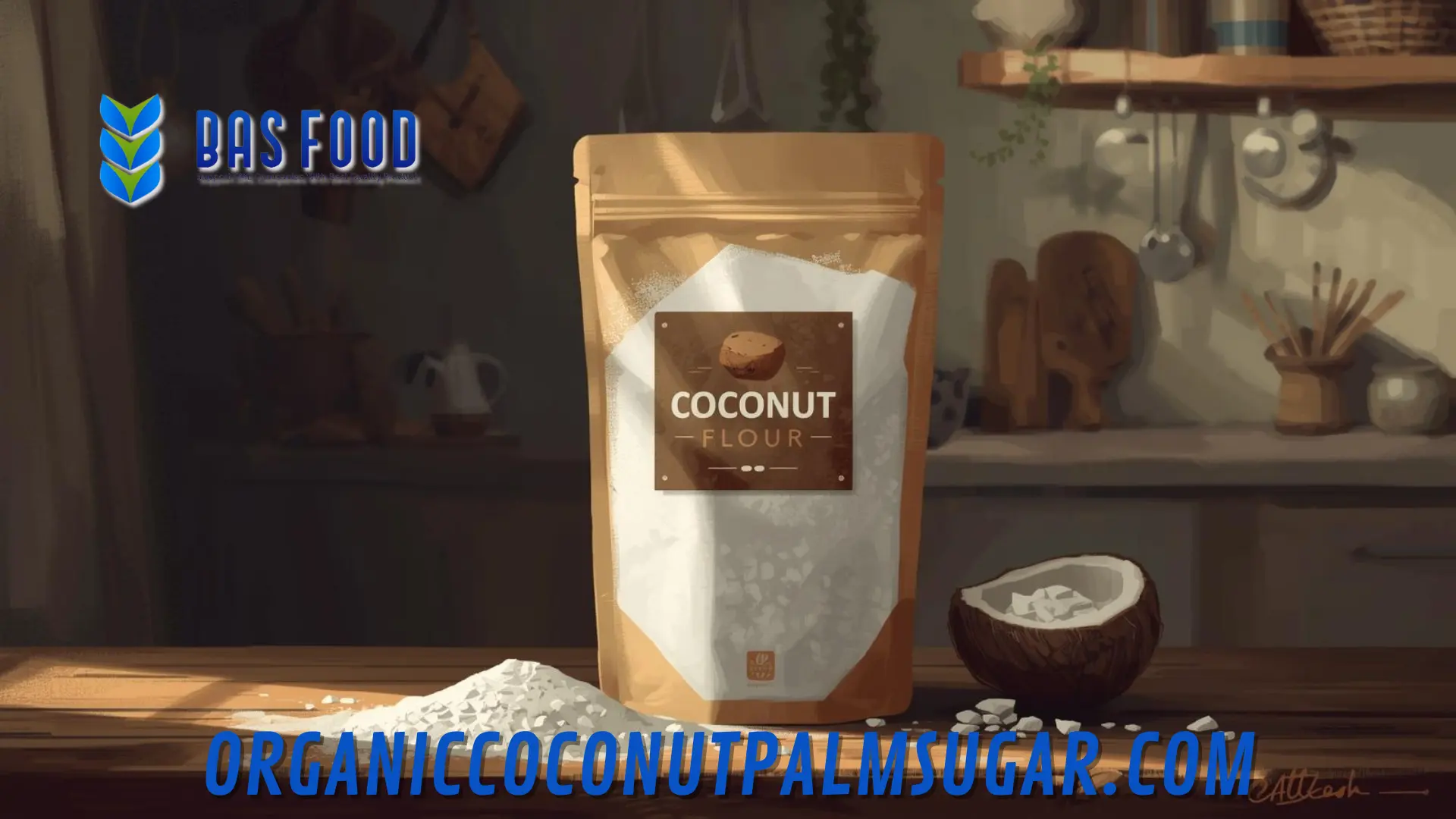
Private label coconut flour refers to coconut flour produced by a manufacturer but sold under another company’s brand. In simple terms, the product is made by a trusted producer, while branding, positioning, and market strategy belong to the buyer. This model has become increasingly popular among global food brands looking to scale without building factories.
Unlike generic bulk trading, private labeling allows brands to control quality perception, packaging design, and storytelling. Coconut flour is especially suitable for this model because it fits clean-label trends, gluten-free demand, and plant-based product lines. As a result, many international buyers see private label coconut flour as a fast and flexible entry into competitive markets.
Why Global Brands Choose Private Label Over In-House Production
Building a coconut flour factory requires significant capital, technical expertise, and long-term sourcing relationships. For many brands, this investment does not make sense, especially when reliable OEM coconut flour partners already exist. Private labeling removes production risk and shortens time to market.
Additionally, brands gain access to established supply chains. Experienced producers already understand export standards, food safety requirements, and international logistics. This allows brand owners to focus on marketing, sales, and distribution instead of troubleshooting production issues.
OEM Coconut Flour: How the Model Works
OEM coconut flour production starts with clear specifications. Buyers define flour texture, moisture limits, fat content, microbiological standards, and packaging format. The manufacturer then produces according to these agreed parameters.
Once production begins, quality control becomes a shared responsibility. Reliable OEM partners provide batch testing, certificates of analysis, and traceability documents. This transparency is essential for global brands that must meet retailer and regulatory expectations in multiple markets.
Custom Packaging Flour for Different Markets
Packaging is a major advantage of private labeling. Custom packaging flour solutions allow brands to adapt to local consumer preferences. Retail packs may focus on clean design and sustainability, while foodservice or industrial packs prioritize durability and efficiency.
Packaging sizes also vary widely. From small retail pouches to bulk bags for bakeries and manufacturers, private label coconut flour adapts easily. This flexibility helps brands expand across channels without changing suppliers.
Quality Standards Behind Private Label Coconut Flour
High-quality private label products depend on strict production standards. Coconut flour must meet moisture, color, aroma, and texture requirements consistently. Any variation can affect baking performance and customer trust.
Experienced manufacturers apply standardized drying, milling, and sieving processes. These steps ensure uniform flour characteristics across batches. For global brands, this consistency is critical when scaling distribution across regions.
Certifications That Strengthen Brand Credibility
Certifications add value to private label coconut flour. Organic certification, halal compliance, and food safety systems like ISO or HACCP increase buyer confidence. These certifications are often mandatory for premium retail and export markets.
By working with certified producers, brands avoid complex audits and documentation processes. Instead, they leverage existing compliance frameworks to enter regulated markets faster and more safely.
Supply Chain Stability and Raw Material Sourcing
Stable raw material supply is essential for private labeling. Coconut flour production depends on consistent coconut sourcing, proper drying facilities, and skilled labor. Disruptions at any stage affect final output.
Indonesia plays a key role here. As one of the world’s largest coconut producers, the country offers strong supply stability. Manufacturers with direct access to coconut farms reduce dependency on middlemen, ensuring long-term availability for private label partners.
Scaling Your Brand With Private Label Coconut Flour
Private labeling allows brands to scale gradually. Initial orders may start small, but production can increase as demand grows. This scalability is difficult to achieve with in-house manufacturing.
OEM partners adjust production capacity without requiring buyers to reinvest. This makes private label coconut flour ideal for startups, mid-sized brands, and even established companies launching new product lines.
Cost Efficiency and Competitive Pricing
Private label production reduces capital expenditure. Brands avoid equipment costs, labor management, and facility maintenance. Instead, costs are built into unit pricing, making budgeting more predictable.
OEM coconut flour pricing also benefits from economies of scale. Established manufacturers source raw materials in volume and optimize production efficiency. These savings help brands remain competitive in price-sensitive markets.
Private Label vs Bulk Coconut Flour Trading
Bulk trading focuses on commodity pricing and volume. Private labeling, on the other hand, focuses on brand value and differentiation. While bulk flour competes mainly on price, private label coconut flour competes on quality, packaging, and brand trust.
For global brands, private labeling creates stronger customer loyalty. Consumers recognize the brand, not the producer. This long-term brand equity often outweighs the short-term savings of bulk trading.
Choosing the Right Private Label Partner
Selecting the right manufacturer is critical. Brands should evaluate production capacity, quality control systems, certification status, and export experience. Site visits and sample testing help reduce risk before committing.
Communication also matters. A good partner responds clearly, shares documentation proactively, and understands brand expectations. This partnership mindset supports long-term success rather than one-off transactions.
CV Bonafide Anugerah Sentosa as a Private Label Partner
CV Bonafide Anugerah Sentosa is a trusted producer and supplier of coconut products, spices, and fishery commodities from Indonesia. With experience serving international buyers, the company supports private label coconut flour programs tailored to global brands.
From OEM coconut flour production to custom packaging flour solutions, CV Bonafide Anugerah Sentosa focuses on quality consistency, export compliance, and transparent communication. This makes the company a reliable partner for brands seeking long-term growth.
Market Trends Driving Private Label Coconut Flour
Global demand for gluten-free and plant-based ingredients continues to rise. Coconut flour fits perfectly into this trend, offering high fiber and clean-label appeal. Retailers increasingly promote private label products to improve margins and control product positioning.
As a result, private label coconut flour is no longer limited to niche brands. Major retailers and food manufacturers now use private labeling as a core strategy, not a backup plan.
Risk Management in Private Label Projects
Every private label project carries risk. Delays, quality deviations, or regulatory changes can impact timelines. However, these risks decrease significantly when working with experienced exporters.
Clear contracts, agreed specifications, and regular audits help manage expectations. Brands that treat private labeling as a partnership rather than a transaction achieve better results over time.
Final Thoughts on Private Label Coconut Flour
Private label coconut flour offers global brands a powerful way to grow without heavy investment. It combines manufacturing expertise, supply chain efficiency, and branding freedom into one flexible model.
By partnering with reliable producers like CV Bonafide Anugerah Sentosa, brands gain access to OEM coconut flour, custom packaging flour solutions, and export-ready quality. In today’s competitive food market, private labeling is not just an option. It is a strategic advantage.
Contact CV Bonafide Anugerah Sentosa how we can provide the best solutions for you. WhatsApp: +62 8213 4505 737, Email: info@bonafideanugerahsentosa.com / bas.mdir@gmail.com.