Desiccated coconut travels far before it reaches the end user. It moves from processing facilities to ports, crosses oceans inside containers, and finally arrives at warehouses or factories. During this long journey, moisture and poor handling can easily damage the product. One of the most common problems importers face with desiccated coconut shipping is clumping caused by excess humidity.
That is why understanding desiccated coconut shipping is critical for anyone involved in international trade. Preventing clumping and moisture damage is not only about packaging. It involves raw material control, processing, container preparation, and logistics decisions. In this article, we will break down every key step in a simple and practical way.
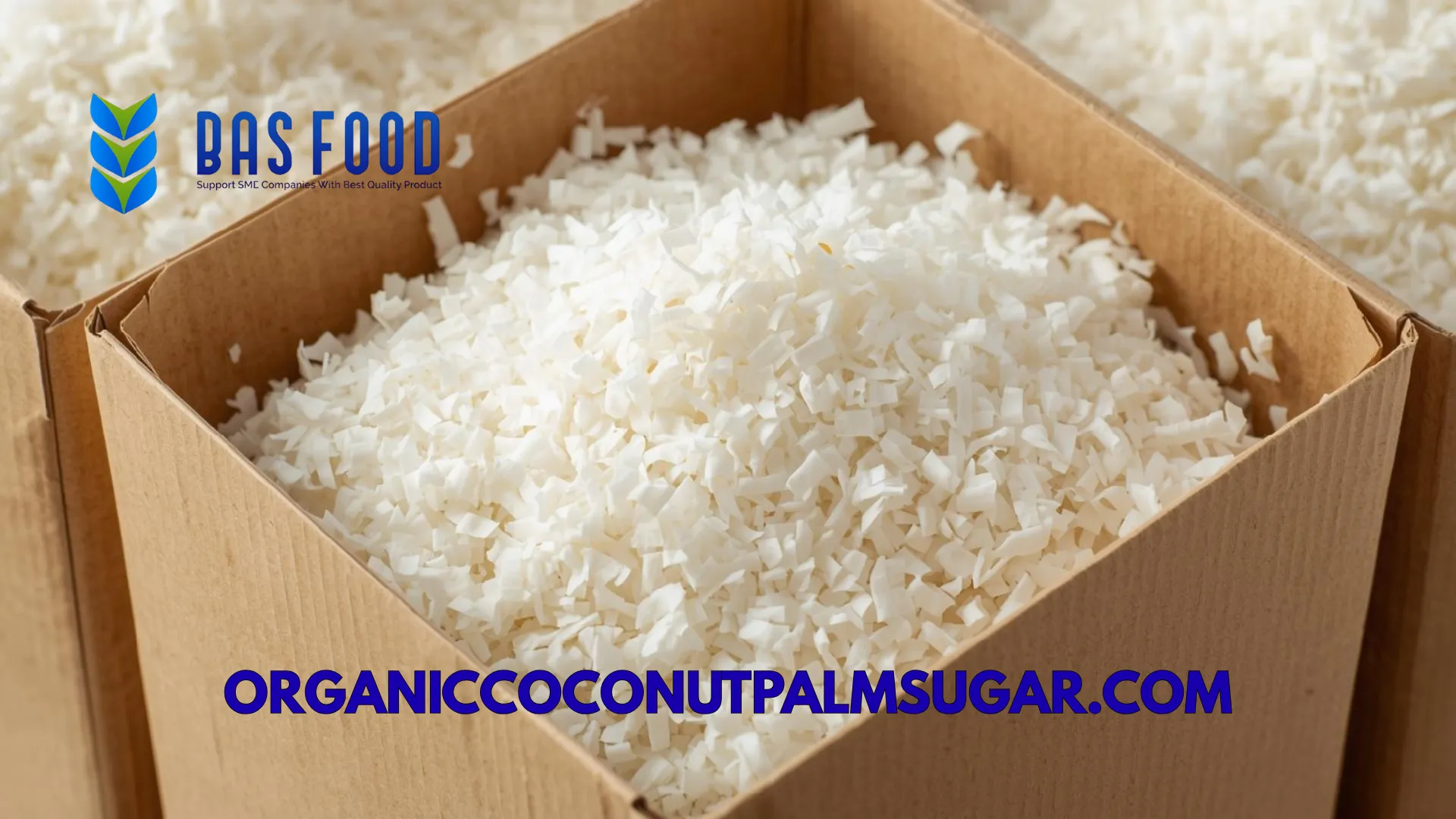
Understanding Why Desiccated Coconut Clumps
Clumping happens when desiccated coconut absorbs moisture. Although the product is dried, it is still hygroscopic, which means it naturally attracts water from the air. Even small humidity changes can cause coconut particles to stick together.
During desiccated coconut shipping, clumping often occurs because of poor container conditions or weak packaging. Once clumping starts, the texture changes and the product may no longer meet buyer specifications. That is why prevention must start early, not after loading.
Moisture Content Starts at the Factory
The first defense against moisture damage begins during production. Desiccated coconut must meet strict moisture limits before packing. If the product leaves the factory with moisture close to the maximum limit, the risk during shipping increases.
Experienced exporters monitor drying carefully and conduct moisture testing before packing. Importers should always request test results. Proper factory control greatly reduces moisture-related problems in desiccated coconut shipping.
The Role of Packaging in Moisture Protection
Packaging is not just a container. It is a protective barrier. Inner liners made from food-grade polyethylene help block moisture from entering the product.
Strong outer bags also protect against physical damage. In desiccated coconut shipping, multilayer packaging is often used to create extra protection. Importers should confirm packaging specifications before shipment to avoid surprises.
Why Container Condition Is Often Overlooked
Many quality problems happen inside the container, not inside the bag. Containers may look clean but still contain moisture from previous cargo or rain exposure.
Before loading, exporters should inspect containers carefully. Dry, odor-free containers reduce the risk of moisture damage. Container preparation is one of the most important steps in safe desiccated coconut shipping.
Humidity Changes During Ocean Transport
Ocean shipping involves temperature changes. Containers can heat up during the day and cool at night. This cycle creates condensation, often called container rain.
Condensation droplets can fall onto bags and slowly introduce moisture. To prevent this, exporters often use desiccants or moisture absorbers. These small tools play a big role in reducing damage during desiccated coconut shipping.
Stacking and Load Distribution Inside Containers
How bags are stacked matters more than many people realize. Poor stacking can trap moisture and restrict airflow inside the container.
Proper spacing and pallet use help air circulate. This reduces condensation buildup. Careful loading practices are a practical way to protect quality during desiccated coconut shipping.
Shipping Route and Transit Time Considerations
Longer transit times increase exposure to humidity. Routes through tropical regions are especially challenging.
Importers and exporters work together to select efficient shipping routes. Faster transit reduces risk. Smart route planning is part of professional desiccated coconut shipping strategy.
Seasonal Risks and Weather Awareness
Weather conditions affect shipping risk. Rainy seasons increase humidity at ports and during loading.
Experienced exporters adjust schedules or add extra protection during high-risk seasons. Understanding seasonal patterns helps reduce moisture problems in desiccated coconut shipping.
Quality Checks Before and After Loading
Visual inspection before sealing the container is essential. Exporters check packaging integrity, container dryness, and proper sealing.
Some importers also request photos or videos of the loading process. Transparency builds trust and reduces disputes related to desiccated coconut shipping issues.
Documentation and Clear Shipping Instructions
Clear instructions help logistics partners handle cargo properly. Shipping documents may include handling notes such as “keep dry†or “store in cool conditions.â€
Good documentation ensures everyone involved understands the product’s sensitivity. This reduces mistakes during desiccated coconut shipping.
Common Mistakes Importers Should Avoid
One common mistake is focusing only on price. Low-cost shipments often cut corners on packaging or container preparation.
Another mistake is skipping pre-shipment inspections. Importers who stay involved reduce risks. Avoiding shortcuts is key to reliable desiccated coconut shipping.
The Importance of Choosing the Right Supplier
Not all suppliers understand export risks. Experienced exporters design their systems to protect quality throughout the journey.
A trusted supplier invests in drying control, packaging quality, and logistics planning. This makes a major difference in preventing moisture damage during desiccated coconut shipping.
How CV Bonafide Anugerah Sentosa Manages Shipping Quality
CV Bonafide Anugerah Sentosa is an Indonesian supplier and producer of coconut products, along with fishery, spices, and cocoa. The company understands export challenges and applies strict quality control from processing to shipping.
By focusing on moisture management, proper packaging, and container preparation, CV Bonafide Anugerah Sentosa supports buyers who need consistent and safe shipments. Their experience helps reduce common problems in desiccated coconut shipping.
Long-Term Benefits of Proper Shipping Practices
Preventing clumping is not just about avoiding complaints. It protects brand reputation and customer trust.
When products arrive in perfect condition, buyers gain confidence. Strong shipping practices create long-term business value and smoother operations.
Final Thoughts for Importers and Buyers
Clumping and moisture damage are preventable. The key is understanding risks and working with experienced partners.
From factory drying to container sealing, every step matters. Importers who prioritize quality in desiccated coconut shipping gain stability, reliability, and peace of mind in global trade.
Contact CV Bonafide Anugerah Sentosa how we can provide the best solutions for you. WhatsApp: +62 8213 4505 737, Email: info@bonafideanugerahsentosa.com / bas.mdir@gmail.com.