Organic coconut water specifications define the measurable standards that bulk importers use to evaluate suppliers. These specifications cover chemical values, microbiological safety, packaging formats, and export documentation. Therefore, understanding them helps importers reduce sourcing risks.
Beverage formulators and distributors rely on clear product data before signing contracts. They review lab reports, organic certificates, and processing methods. As a result, suppliers must present structured and transparent technical information.
Why Specifications Matter for Bulk Buyers
Bulk shipments involve high volume and financial exposure. Even small deviations in Brix or pH can affect an entire production run. Consequently, detailed organic coconut water specifications protect both buyer and supplier.
Moreover, consistent specifications simplify formulation and blending. Manufacturers can predict sweetness, acidity, and stability. This predictability reduces waste and improves production efficiency.
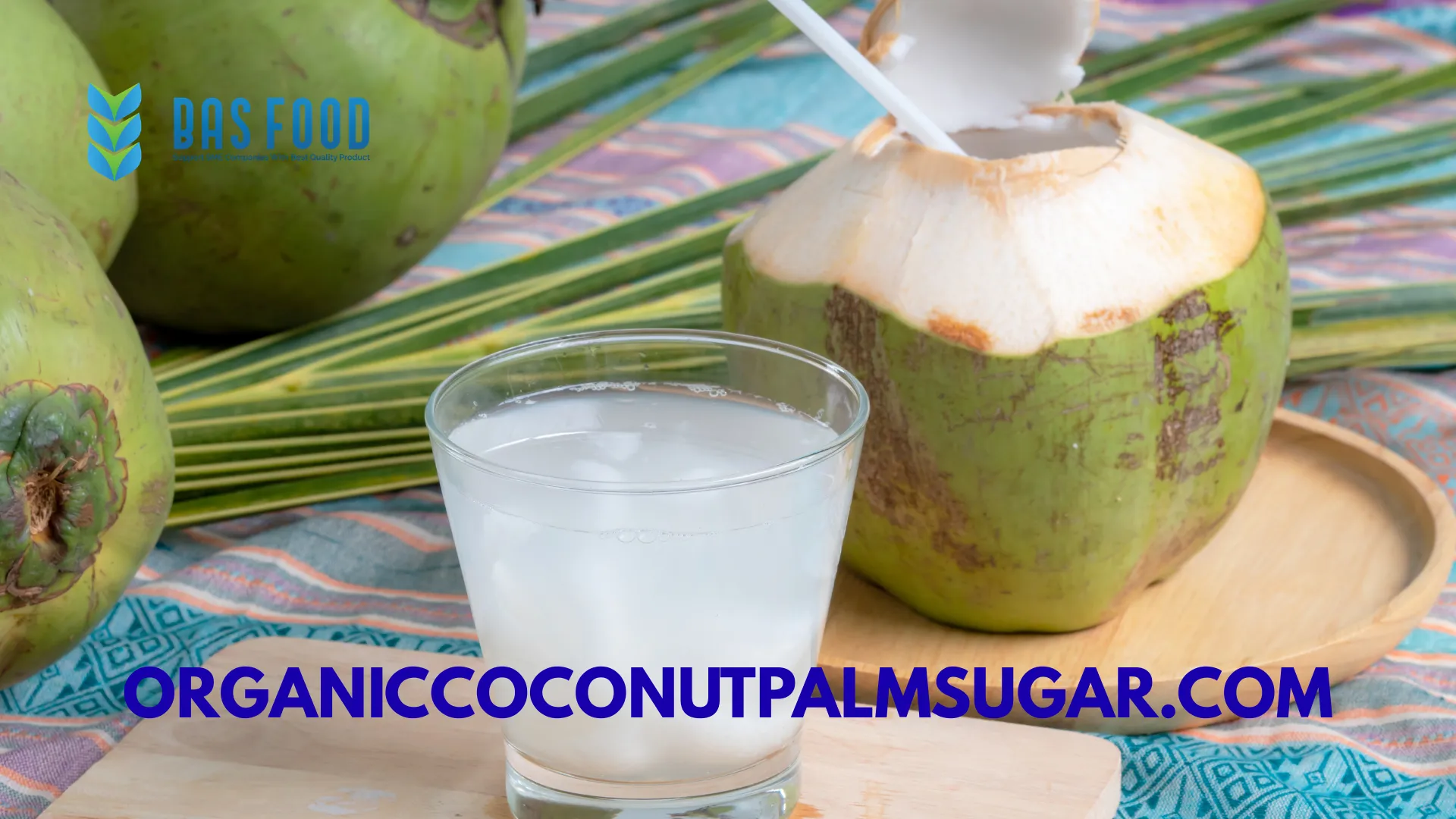
Core Chemical Parameters in Organic Coconut Water Specifications
Chemical analysis forms the foundation of quality control. Laboratories test Brix, pH, turbidity, and color before product release. These values must fall within agreed tolerance ranges.
In addition, mineral content and sugar profile may be relevant for some beverage brands. Clear reporting ensures that importers understand the natural variability of coconut water. Therefore, standardized testing protocols are essential.
Brix Level and Natural Sugar Profile
Brix indicates the percentage of soluble solids, mainly natural sugars. Young green coconuts typically show Brix levels between 4.5 and 6.5 degrees. However, seasonal and regional factors may influence this range.
Stable Brix values support consistent taste in ready-to-drink beverages. If levels fluctuate, manufacturers must adjust blending ratios. For this reason, harvest maturity control plays a key role in meeting organic coconut water specifications.
pH Range and Product Stability
pH affects flavor balance and microbial growth. Fresh coconut water usually has a pH between 4.5 and 5.5. This slightly acidic condition supports product safety.
Nevertheless, delayed processing can alter pH. Therefore, processors extract and filter coconut water quickly after harvest. Rapid handling helps maintain compliance with agreed specifications.
Microbiological Criteria and Food Safety Standards
Microbiological testing protects brand reputation and consumer safety. Standard tests include total plate count, yeast and mold, coliforms, and pathogen screening. Buyers often require results aligned with international food safety benchmarks.
Furthermore, suppliers implement HACCP-based systems to manage risks. These systems identify critical control points during extraction, filtration, and packaging. Consequently, organic coconut water specifications extend beyond chemistry and include structured safety management.
Packaging Formats for Bulk Importers
Packaging format influences shelf life, logistics cost, and processing efficiency. Therefore, importers must select the right format based on their production model.
Aseptic Packaging
Aseptic coconut water is heat-treated and filled into sterile bulk bags or drums. This format allows ambient storage for a defined period. It suits manufacturers who need ready-to-use liquid without freezing costs.
Frozen Bulk Packaging
Frozen coconut water preserves freshness with minimal thermal impact. Suppliers pack it in food-grade liners inside drums or containers. However, buyers must maintain a reliable cold chain during transport and storage.
Concentrate Format
Coconut water concentrate reduces volume and freight cost. Processors remove part of the water under controlled conditions. Later, manufacturers reconstitute the product to original strength.
Each packaging type must align with organic coconut water specifications agreed in the contract. Clear labeling and batch identification remain critical in all formats.
Organic and Regulatory Compliance Requirements
Bulk importers require valid organic certification from accredited bodies. In the United States, compliance with USDA organic rules is mandatory for labeled products. In the European Union, exporters must meet EU organic regulations.
Additionally, health certificates, certificates of origin, and laboratory reports accompany shipments. These documents support customs clearance and importer verification. Therefore, complete documentation reduces trade friction.
Processing Controls and Traceability Systems
Processing begins with hygienic extraction from fresh coconuts. Operators filter and stabilize the liquid under controlled conditions. Each batch receives a unique code for traceability.
Strong traceability systems resemble those used in regulated seafood exports. For example, exporters handling tuna species must document vessel data, temperature logs, and handling records. Although coconut water differs from seafood, the same discipline strengthens international trade compliance.
Logistics, Cold Chain, and Export Handling
Logistics planning depends on the chosen packaging format. Frozen products require temperature monitoring during transport. Aseptic products require clean and dry storage conditions.
Experience in cold chain logistics from fishery exports supports disciplined shipment management. Companies that handle seafood understand the impact of temperature deviation. Therefore, structured logistics oversight protects organic coconut water specifications during transit.
Common Risks in Bulk Procurement
One common risk involves inconsistent lab results between supplier and buyer. Differences in testing methods may cause disputes. For this reason, both parties should align on analytical standards before shipment.
Another risk relates to packaging integrity. Damaged liners or improper sealing may compromise quality. Consequently, pre-shipment inspection and container checks reduce potential losses.
Best Practices for Importers and Suppliers
First, define detailed product specifications in the purchase agreement. Include Brix range, pH tolerance, microbiological limits, and packaging type. Clear contracts prevent misunderstandings.
Second, request recent laboratory reports and certification copies before loading. Regular communication between QA teams strengthens trust. Over time, structured collaboration supports stable long-term supply.
Building Trust Through Multi-Commodity Export Experience
Exporters with diversified portfolios often develop stronger compliance systems. CV Bonafide Anugerah Sentosa manages fishery products, spices, cocoa, and coconut-based ingredients for international markets. Each category requires strict adherence to international standards.
For instance, Bluefin Tuna exports demand precise documentation and cold chain monitoring. That same regulatory discipline supports coconut-based product shipments. As a result, buyers benefit from experienced partners who understand global trade requirements.
Conclusion: Clarity and Consistency in Bulk Sourcing
Organic coconut water specifications provide a technical framework for secure international sourcing. They define chemical values, safety standards, packaging formats, and documentation requirements. When both sides align on these details, procurement becomes more predictable.
For bulk importers, clarity reduces financial and operational risk. For suppliers, disciplined compliance strengthens long-term partnerships. Ultimately, shared understanding of specifications supports stable and efficient global beverage production.
Frequently Asked Questions
1. What Brix level is standard for organic coconut water?
Most suppliers provide coconut water with Brix between 4.5 and 6.5 degrees, depending on harvest maturity and season.
2. What packaging is best for bulk coconut water imports?
The choice depends on logistics and production needs. Aseptic suits ambient storage, frozen preserves freshness, and concentrate reduces freight volume.
3. How is microbiological safety verified?
Laboratories test total plate count, yeast and mold, coliforms, and specific pathogens. Results must meet agreed limits.
4. Do bulk imports require organic certification?
Yes. Importers need valid organic certificates from accredited bodies to label and market products as organic.
5. How can buyers reduce quality disputes?
Buyers should align on testing methods, define clear tolerance ranges, and request updated lab reports before shipment.
Contact CV Bonafide Anugerah Sentosa how we can provide the best solutions for you. WhatsApp: +62 8213 4505 737, Email: info@bonafideanugerahsentosa.com / bas.mdir@gmail.com.