The organic coconut sugar ingredient has become a strategic choice for brands developing clean-label and natural products. As consumers demand shorter ingredient lists and recognizable sources, formulators must rethink traditional sweeteners. Therefore, R&D teams increasingly explore plant-based alternatives that align with transparency goals.
This article explains how organic coconut sugar fits clean-label frameworks, supports product positioning, and meets regulatory expectations. It focuses on formulation benefits without overstating health claims. For brand owners and innovation teams, understanding ingredient function is as important as marketing appeal.
The Rise of Clean-Label Expectations
Clean-label trends continue to shape food and beverage development. Consumers now look for simple ingredients and minimal processing. As a result, brands must justify every component on the label.
However, clean label does not mean unregulated or untested. Manufacturers still need stability, consistency, and food safety compliance. Therefore, ingredient selection must balance perception with performance.
What Defines an Organic Coconut Sugar Ingredient?
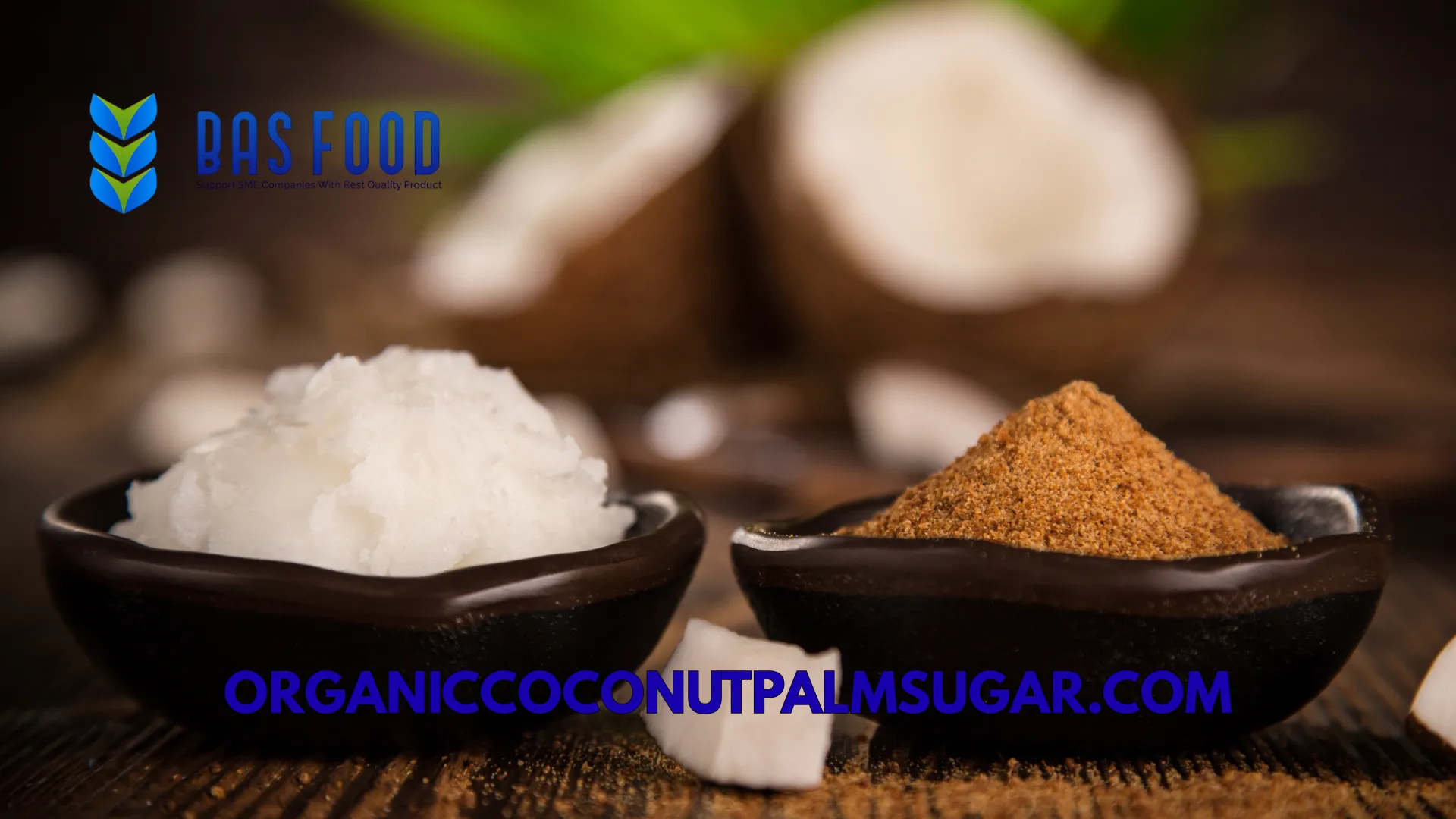
An organic coconut sugar ingredient comes from the sap of coconut palm blossoms. Producers gently heat the sap to evaporate moisture and form crystals. This traditional process avoids chemical refining steps.
Because the source is plant-based and minimally processed, it aligns with clean-label positioning. In addition, certified organic production supports traceability and transparent sourcing. Brands can communicate origin clearly without complex explanations.
Label Transparency and Consumer Perception
Consumers recognize the word “coconut” more easily than synthetic-sounding sweeteners. This familiarity improves label readability. Consequently, the ingredient name supports natural product narratives.
At the same time, brands must avoid exaggerated claims. Organic coconut sugar remains a form of sugar and should be positioned responsibly. Clear communication builds long-term trust.
Functional Role in Product Formulation
Flavor Profile and Sweetness Balance
Organic coconut sugar offers a mild caramel-like taste. This profile works well in bakery, beverages, and snack products. Therefore, it can enhance flavor depth without artificial additives.
Its sweetness intensity is similar to traditional sugar. R&D teams can often substitute it in one-to-one ratios, depending on formulation goals. However, pilot testing remains essential.
Texture and Bulk Contribution
Unlike high-intensity sweeteners, coconut sugar provides bulk. It contributes to structure in baked goods and granola applications. As a result, formulators maintain texture without adding fillers.
Moreover, its granulated form supports easy blending. Consistent mesh size improves processing efficiency.
Supporting Organic and Natural Claims
Certification plays a central role in clean-label strategy. When sourced from certified producers, the organic coconut sugar ingredient supports USDA Organic or EU Organic labeling. This alignment strengthens premium positioning.
In addition, documented supply chains enhance credibility. Exporters must maintain compliance records, laboratory testing, and traceability systems. Such controls reassure brand compliance teams.
Alignment with Global Regulatory Standards
Food manufacturers must comply with regional regulations such as FDA labeling rules and EU food information requirements. Organic coconut sugar fits within established sweetener categories. Therefore, it does not require novel ingredient approval.
However, exporters must maintain valid organic certification and product documentation. Experienced suppliers often apply rigorous quality control systems similar to those used in regulated sectors like seafood exports and tuna species traceability. This disciplined compliance culture benefits ingredient reliability.
Sustainability and Ethical Sourcing Considerations
Clean-label brands often evaluate environmental impact. Coconut sugar production typically involves smallholder farming communities. Responsible sourcing programs can support social and environmental transparency.
Nevertheless, sustainability claims should remain evidence-based. Certifications and third-party audits provide verifiable support. Clear documentation prevents greenwashing concerns.
Application Opportunities Across Categories
The organic coconut sugar ingredient works well in:
- Plant-based beverages
- Protein bars and functional snacks
- Breakfast cereals and granola
- Bakery and confectionery
- Natural sauces and marinades
Because it dissolves easily, it adapts to both dry and semi-liquid systems. However, moisture control and storage conditions remain important during large-scale production.
Supply Chain Reliability for Brand Owners
Reliable supply reduces formulation risk. Brands need consistent color, moisture level, and granulation. Therefore, exporters must maintain strict production controls.
CV Bonafide Anugerah Sentosa applies structured quality management across coconut derivatives, spices, cocoa, and regulated fishery exports such as bluefin tuna. Experience in international trade compliance, documentation, and controlled logistics strengthens ingredient stability for global buyers. This operational discipline supports clean-label product development.
Risks and Considerations in Reformulation
Switching sweeteners can alter texture and browning behavior. Organic coconut sugar may darken baked products more than refined white sugar. Therefore, R&D teams should conduct controlled trials.
In addition, cost structure and sourcing timelines may differ from conventional sugar. Procurement planning helps prevent supply gaps. Early coordination with suppliers ensures smoother transitions.
Best Practices for Clean-Label Development
Brands should start with clear formulation goals. Define whether the priority is organic certification, plant-based positioning, or flavor enhancement. Then align ingredient specifications accordingly.
Furthermore, collaborate with suppliers who provide detailed product data sheets and compliance documents. Transparent partnerships simplify audits and retailer reviews. As clean-label standards evolve, flexibility and data accuracy become key advantages.
Conclusion: A Strategic Ingredient for Transparent Formulation
The organic coconut sugar ingredient supports clean-label development through recognizable sourcing, functional performance, and regulatory compatibility. It enables brands to simplify ingredient lists while maintaining product quality. However, responsible positioning and compliance remain essential.
For brand owners and R&D teams, success depends on measurable standards and transparent supply chains. When selected carefully, coconut sugar becomes more than a sweetener. It becomes part of a broader strategy for credible natural product formulation.
FAQs
Is organic coconut sugar considered a clean-label ingredient?
Yes. Its plant-based origin and minimal processing support clean-label positioning, provided labeling follows regulatory guidelines.
Can it replace refined sugar in recipes?
In many cases, it can substitute at similar ratios. However, product testing is necessary to confirm texture and flavor outcomes.
Does it require special regulatory approval?
No. It falls under established sweetener categories, though organic certification must be valid for organic claims.
Does coconut sugar significantly lower calorie content?
No. It is still a form of sugar and provides comparable caloric value. Brands should avoid misleading health claims.
What documentation should brands request from suppliers?
Brands should request organic certificates, Certificates of Analysis, and specification sheets to verify compliance.
Contact CV Bonafide Anugerah Sentosa how we can provide the best solutions for you. WhatsApp: +62 8213 4505 737, Email: info@bonafideanugerahsentosa.com / bas.mdir@gmail.com.