Organic coconut flour quality standards play a critical role in international trade. For food importers, sourcing managers, and QA teams, these standards define whether a shipment passes inspection or gets rejected at the port. They also shape long-term supplier trust and regulatory compliance across borders.
In global B2B markets, coconut flour is not judged by taste claims or retail branding. Instead, buyers focus on specifications, consistency, safety, and documentation. Understanding organic coconut flour quality standards helps importers reduce risk, meet regulatory requirements, and maintain stable supply chains.
This article explains those standards in a clear, practical way. It focuses on export-grade quality, compliance frameworks, processing controls, and common risks in international trade.
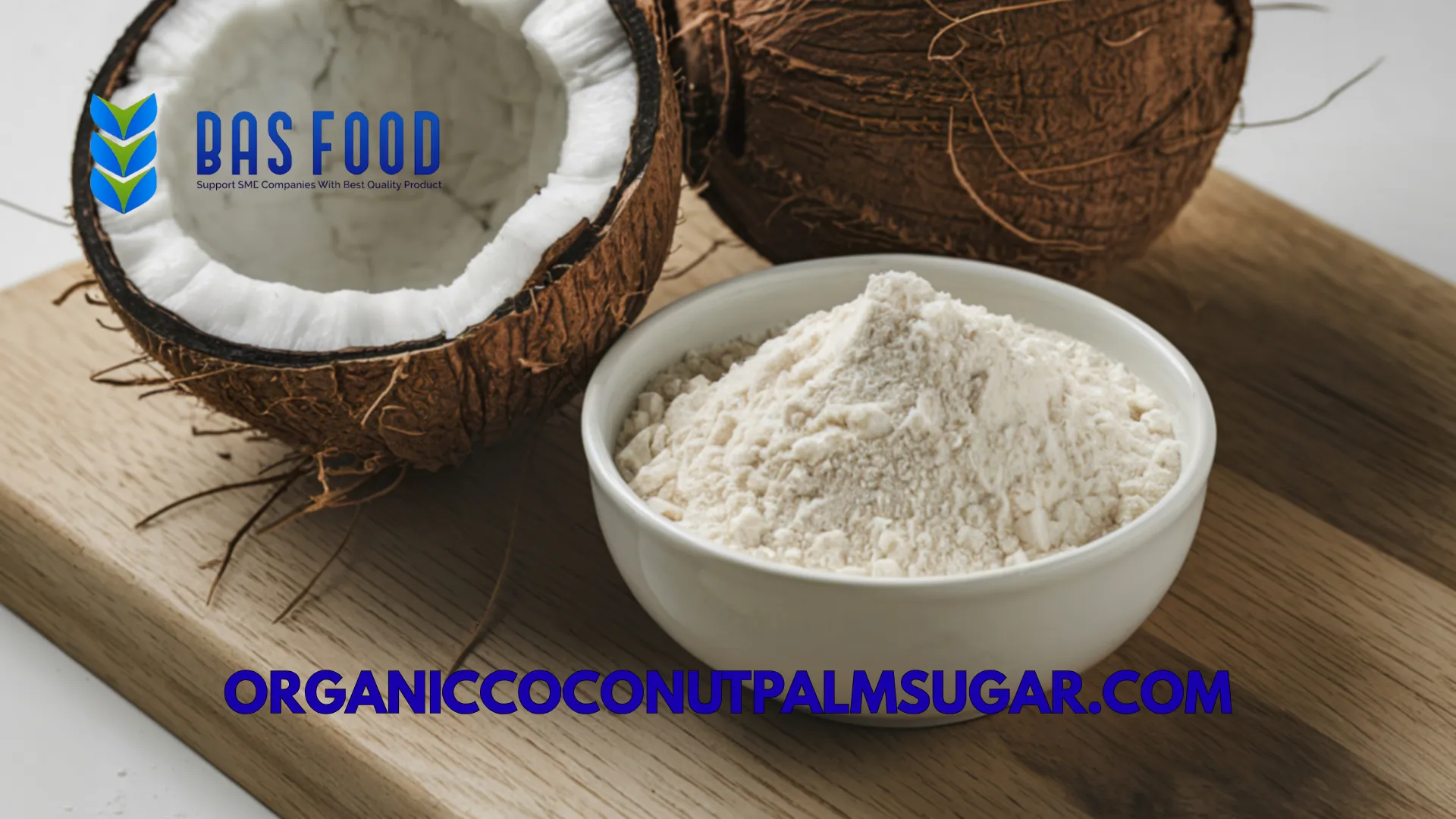
Understanding Organic Coconut Flour Quality Standards
Organic coconut flour quality standards refer to a set of technical, safety, and regulatory requirements applied to coconut flour produced from organically certified coconuts. These standards guide how the product is processed, tested, packaged, and shipped for export markets.
Unlike conventional flour, organic coconut flour must meet two layers of requirements. First, it must comply with organic regulations from recognized authorities. Second, it must meet food safety and quality specifications expected in international trade.
Because of this dual requirement, buyers often review organic certification and quality parameters together. As a result, sourcing teams need a clear benchmark to evaluate suppliers.
Why Quality Standards Matter in International Trade
Quality standards protect both buyers and suppliers in cross-border transactions. They reduce disputes, prevent shipment delays, and support regulatory clearance at destination ports.
For importers, clear standards help ensure product consistency across multiple shipments. For exporters, they provide a framework to meet buyer expectations and pass third-party audits.
Moreover, many countries apply strict border inspections to organic products. Therefore, failure to meet documented organic coconut flour quality standards can lead to rejection, relabeling, or costly re-export.
Regulatory Frameworks Governing Organic Coconut Flour
Organic coconut flour quality standards align closely with international organic and food safety regulations. These frameworks vary by destination but share common principles.
USDA Organic and EU Organic Regulations
The USDA Organic and EU Organic regulations are the most referenced standards in global trade. Both require:
- Certified organic raw materials
- Segregation from non-organic products
- Traceable production records
- Approved processing aids only
Although the rules differ in documentation format, their technical expectations remain similar.
Food Safety Management Systems
In addition to organic rules, exporters must comply with food safety systems such as HACCP, ISO 22000, or FSSC 22000. These systems focus on hazard control, sanitation, and process consistency.
When buyers assess organic coconut flour quality standards, they often request proof of both organic certification and food safety compliance.
Raw Material Selection and Traceability
Raw material quality defines final product quality. Organic coconut flour begins with mature coconuts sourced from certified organic farms.
Traceability remains essential at this stage. Export-grade suppliers document farm locations, harvest dates, and certification status. This documentation supports organic integrity and audit readiness.
Moreover, proper traceability allows quick response if quality issues arise later. As a result, buyers often prioritize suppliers with transparent sourcing systems.
Processing Controls in Organic Coconut Flour Production
Processing plays a major role in meeting organic coconut flour quality standards. Each step must protect product safety and organic status.
Drying and Defatting Process
Organic coconut flour is typically produced after coconut milk extraction. The remaining coconut meat is dried and milled into flour.
Controlled drying is critical. Excessive heat can affect color and aroma, while insufficient drying increases microbial risk. Therefore, processors monitor temperature and drying time closely.
Milling and Sieving Standards
After drying, the coconut meat is milled and sieved to achieve a consistent mesh size. Export buyers often specify mesh ranges depending on end use.
Uniform particle size improves blending performance and reduces quality complaints. For this reason, mesh size control remains a core element of organic coconut flour quality standards.
Key Physical and Chemical Specifications
Buyers evaluate organic coconut flour using measurable parameters. These specifications allow objective quality assessment.
Moisture Content
Moisture content usually ranges between 4% and 8%, depending on buyer requirements. Lower moisture improves shelf stability and reduces mold risk.
Export contracts often define a maximum moisture limit. Therefore, suppliers must test and document this value for each batch.
Fat, Fiber, and Ash Levels
Although organic coconut flour naturally contains fiber, fat levels vary based on defatting efficiency. Buyers may specify maximum fat content for bakery or industrial use.
Ash content indicates mineral residue and processing cleanliness. Consistent ash levels support product standardization.
Microbiological and Food Safety Requirements
Organic coconut flour quality standards include strict microbiological limits. These limits protect consumers and meet importing country regulations.
Common tests include:
- Total Plate Count
- Yeast and mold
- E. coli
- Salmonella
Because coconut flour is a dry product, contamination often occurs during drying or packaging. As a result, hygiene controls and regular testing remain essential.
Packaging, Storage, and Shelf Life Expectations
Proper packaging protects quality during international transit. Export-grade organic coconut flour is usually packed in food-grade paper bags with inner liners or sealed bulk bags.
Storage conditions must remain dry and well-ventilated. High humidity during storage or shipping can compromise quality.
Shelf life typically ranges from 12 to 24 months, depending on moisture control and packaging quality. Buyers often request stability data to confirm shelf life claims.
Documentation and Export Compliance
Documentation forms a core part of organic coconut flour quality standards in trade. Missing or inconsistent documents often cause customs delays.
Common export documents include:
- Organic certificate
- Certificate of Analysis
- Certificate of Origin
- Phytosanitary certificate, when required
Accurate labeling also matters. Labels must reflect organic status, batch codes, and country of origin.
Common Quality Risks in Global Supply Chains
Despite clear standards, risks remain in international sourcing. Understanding these risks helps buyers mitigate them early.
One common risk involves moisture increase during shipping. Another risk relates to inconsistent mesh size across batches.
There is also risk from documentation mismatch, especially when organic certification scope does not match the product description. Therefore, buyers often conduct pre-shipment inspections or third-party audits.
Best Practices for Buyers Sourcing Organic Coconut Flour
Buyers can protect quality by applying structured sourcing practices. First, they should request detailed specifications aligned with organic coconut flour quality standards.
Next, they should review supplier certifications and audit reports. Sampling before contract finalization also reduces uncertainty.
Finally, maintaining clear communication on quality parameters helps avoid disputes and ensures long-term supply reliability.
Supplier Experience and Export Reliability
Experience matters in export trade. Suppliers familiar with international regulations and multi-commodity exports tend to manage compliance better.
For example, Indonesian exporters such as CV Bonafide Anugerah Sentosa operate across coconut-based products, spices, cocoa products, and regulated fishery items like Bluefin Tuna. Handling seafood exports requires strict cold chain logistics, hygiene standards, and export documentation.
This cross-sector experience strengthens overall compliance systems. As a result, buyers benefit from consistent quality management practices across product categories.
Conclusion: Building Confidence Through Clear Standards
Organic coconut flour quality standards provide a shared language between buyers and suppliers. They define expectations, reduce risk, and support smooth international trade.
By focusing on specifications, compliance, and process control, importers can source with confidence. At the same time, exporters who follow these standards strengthen their credibility in global markets.
In international trade, clarity and consistency remain the foundation of long-term partnerships.
Frequently Asked Questions (FAQ)
- What are organic coconut flour quality standards?
- They are technical, safety, and regulatory requirements covering moisture, mesh size, food safety, and organic compliance for export markets.
- Why is moisture content important in organic coconut flour?
- Moisture affects shelf life and microbial safety. High moisture increases the risk of mold during storage and shipping.
- Which certifications are commonly required for export?
- USDA Organic or EU Organic certification, along with HACCP or ISO-based food safety systems, are commonly required.
- How do buyers verify organic coconut flour quality?
- Buyers review certificates, test reports, and may conduct third-party inspections or audits.
- Does organic coconut flour require cold chain logistics?
- No, it is a dry product. However, controlled humidity and proper packaging are essential during transport.
Contact CV Bonafide Anugerah Sentosa how we can provide the best solutions for you. WhatsApp: +62 8213 4505 737, Email: info@bonafideanugerahsentosa.com / bas.mdir@gmail.com.