Organic coconut flour has become a favorite among modern food brands looking for clean, functional, and nutrient-dense ingredients. As consumer demand shifts toward healthier alternatives, manufacturers need ingredients that support better formulations without sacrificing taste or texture. This is where organic coconut flour nutrition stands out. It offers a rich nutrient profile, high fiber content, and a naturally low carbohydrate load.
Many brands use coconut flour to enhance product claims related to wellness, particularly in gluten-free, keto, paleo, and high-fiber categories. Its versatility makes it suitable for bakery goods, snacks, beverage mixes, protein bars, and even plant-based products. Because of this growing trend, understanding the nutritional profile behind coconut flour is no longer optional for importers and product developers.
What makes coconut flour truly special is how its nutrients are preserved through clean, minimal processing. Organic production methods and careful milling help retain key coconut flour nutrients such as dietary fiber, healthy fats, protein, and essential minerals. This combination gives manufacturers a reliable ingredient that performs well while elevating the health value of finished products.
The Origins of Coconut Flour and Why Nutrition Matters
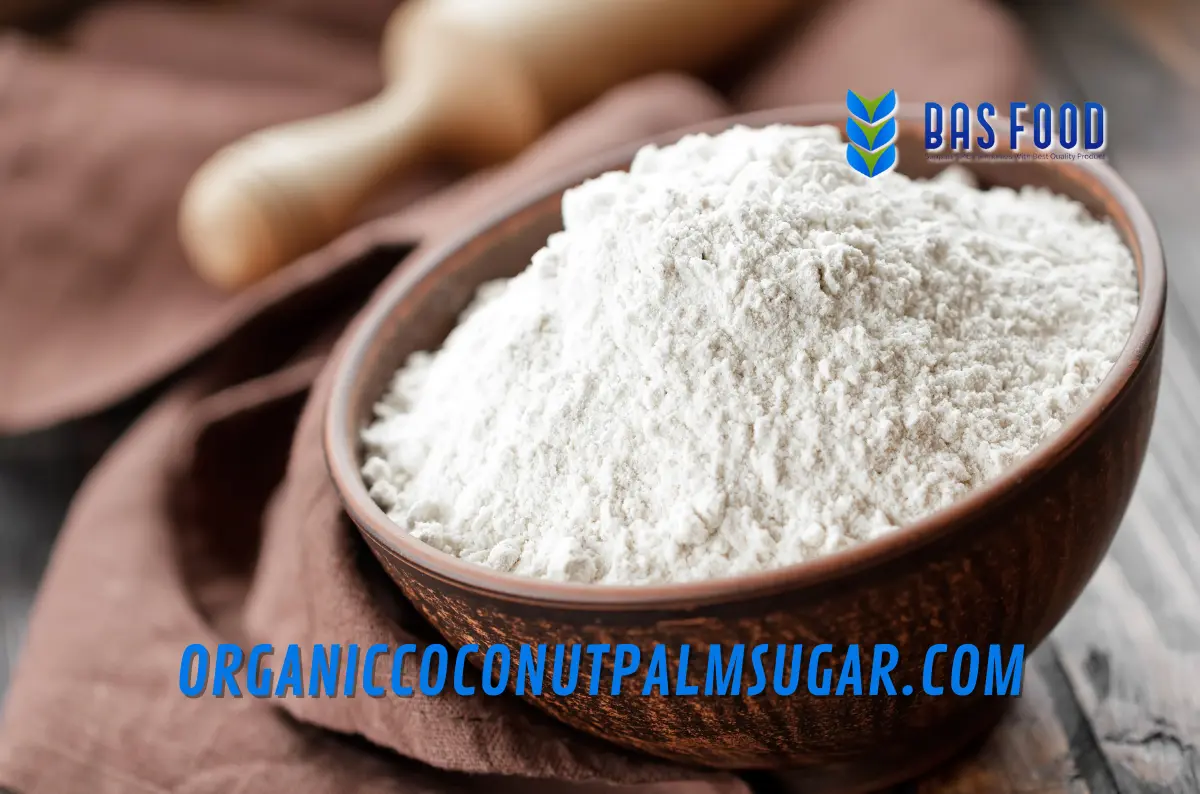
Coconut flour is produced from the defatted coconut meat left after extracting coconut milk or coconut oil. Instead of being discarded, this residual meal is dried, ground, and sifted into a soft, fine flour. Because it is minimally processed, most of the natural nutrients remain intact. This makes coconut flour one of the cleanest and most nutrient-rich flours available for commercial use.
For modern food brands, the nutritional value of coconut flour is more than just numbers on a label. It supports broader consumer expectations around natural foods, allergen-free ingredients, and sustainable sourcing. When people choose products made with coconut flour, they’re often trying to cut carbohydrates, increase fiber intake, or find gluten-free alternatives. Therefore, the nutrient profile plays a central role in market positioning.
Another reason nutrition matters is consistency. Brands—especially large manufacturers—need predictable ingredient behavior. Variations in fat content, fiber ratios, or moisture levels can significantly affect baking performance and product texture. By understanding organic coconut flour nutrition, developers can control product outcomes more effectively and maintain consistent quality across production batches.
Key Coconut Flour Nutrients That Drive Its Popularity
One of the most important aspects of coconut flour is its impressive nutrient density. It contains a powerful combination of fiber, healthy fats, plant-based protein, and trace minerals. The high fiber content alone makes it stand out compared with wheat flour and other gluten-free alternatives.
Dietary fiber plays a major role in controlling blood sugar spikes, improving digestive health, and supporting satiety. Because coconut flour contains both soluble and insoluble fiber, it enhances gut function while improving the texture of baked goods. This makes high fiber coconut flour attractive for snack bars, cereals, and baked products targeting health-conscious consumers.
Healthy fats are another important component. Even after defatting, coconut flour still retains a percentage of natural oil. These fats include medium-chain triglycerides (MCTs), which are easily absorbed by the body and often promoted as an alternative source of energy. Brands developing keto-friendly or low-carb products often highlight these fats as a selling point.
Protein content in coconut flour is also higher compared with many gluten-free flours. This adds structure to doughs and helps improve mouthfeel, especially in bakery applications. Although it is not a complete protein source, it contributes meaningful plant-based nutrition that complements other ingredients such as legumes, grains, or seeds.
Why High Fiber Coconut Flour Supports Better Formulations
Fiber is the superstar of coconut flour. Depending on the manufacturing process, coconut flour can contain up to 40–60% dietary fiber. This makes it one of the highest-fiber flours available in the global market. For brands looking to create digestion-friendly or weight-management products, this is a major advantage.
High fiber content allows coconut flour to absorb a significant amount of liquid—often up to four to five times its weight. This absorption property helps thicken sauces, improve dough stability, and increase the softness of baked goods. Because of this, coconut flour is frequently used in gluten-free recipes where structure and texture often become major challenges.
From a nutritional standpoint, high fiber coconut flour supports gut health, slows digestion, and helps maintain steady energy release. Many consumers also buy coconut-based products because of the perceived digestive benefits. For brands that want to position themselves in the functional food category, coconut flour is an easy ingredient to highlight.
Fiber also influences product labeling. Brands can utilize claims such as “high fiber,†“rich in natural fiber,†or “supports digestive wellness,†depending on their local regulatory guidelines. Since these claims are popular among modern consumers, they can significantly increase product appeal and marketing value.
Coconut Flour for Healthy Products in Modern Categories
Food brands across the world are using coconut flour to develop healthier alternatives to traditional products. The global shift toward plant-based eating has made ingredient transparency more important. Organic coconut flour fits well into this movement because it has no gluten, no synthetic additives, and is naturally nutrient-dense.
In bakery applications, coconut flour helps reduce carbohydrate levels while increasing protein and fiber content. Many keto and diabetic-friendly products now use coconut flour to balance macronutrients and improve satiety. Pancake mixes, cookies, muffins, and brownies all benefit from its natural sweetness and subtle coconut aroma.
Coconut flour also works well in savory recipes. Manufacturers use it as a binder in meat analogues, plant-based nuggets, burger patties, and soups. Its clean-label profile strengthens the overall product claims and appeals to consumers seeking minimal-ingredient foods. When compared to other gluten-free flours, coconut flour’s versatility offers brands more flexibility in recipe development.
The sports nutrition market is another growing segment. Coconut flour is often included in protein bars, shakes, and high-fiber snack products. Since it combines clean carbohydrates, healthy fats, and essential minerals, it helps brands meet the nutritional expectations of athletes and active consumers.
Mineral Composition and Micronutrients in Coconut Flour
While fiber and fats often get the most attention, coconut flour also contains valuable micronutrients. These include iron, potassium, manganese, and zinc. Although the levels vary between suppliers, coconut flour contributes meaningful amounts that support a balanced diet.
Iron is particularly important for consumers seeking plant-based alternatives. While coconut flour isn’t a primary iron source, it can support anemia prevention when paired with iron-rich foods. Potassium, which helps maintain healthy blood pressure, is also naturally present in coconut flour.
Manganese is one of the standout minerals in coconut flour. It plays a role in bone formation, metabolism, and antioxidant protection. Since coconut flour naturally contains this mineral, it increases nutritional value without the need for fortification.
Zinc contributes to immune function and cellular repair, making it a desirable addition to everyday diets. Even small amounts in coconut flour can support healthy formulations, especially when used in products marketed toward wellness-focused consumers.
These micronutrients are part of the reason organic coconut flour nutrition appeals to modern brands. They help brands communicate added health benefits while staying aligned with clean-label trends.
Organic Coconut Flour Nutrition in Gluten-Free and Low-Carb Diets
Gluten-free diets continue to expand worldwide, especially in Western markets. Coconut flour is naturally gluten-free, making it a top choice for bakeries and manufacturers targeting people with celiac disease or gluten sensitivity. Unlike many gluten-free flours, coconut flour has strong nutritional properties that go beyond being an alternative option.
Its low carbohydrate profile is another advantage. For keto and low-carb brands, coconut flour offers a way to create baked products that remain soft, airy, and flavorful without exceeding carb limits. Many keto products rely heavily on coconut flour for its combination of fiber and natural fats.
Because coconut flour absorbs more liquid than wheat flour, recipe adjustments are necessary. However, once mastered, it becomes a powerful tool for crafting healthier versions of popular foods. This adaptability is one of the reasons food manufacturers continue to expand their use of coconut flour in large-scale formulations.
Brands developing diabetic-friendly foods also use coconut flour to lower glycemic impact. The high fiber content slows digestion, helping maintain steady glucose levels. This makes coconut flour suitable for breakfast mixes, bars, breads, and functional snacks.
How Indonesia Produces the Most Reliable Organic Coconut Flour
Indonesia is one of the leading producers of coconut flour in the world. The country benefits from natural coconut-growing regions, skilled processing facilities, and strong export infrastructure. Because of these advantages, many international brands prefer sourcing organic coconut flour from Indonesia.
The country’s production process follows strict quality standards. Many factories are certified under HACCP, ISO, USDA Organic, EU Organic, Halal, and Kosher systems. These certifications help ensure that coconut flour remains free from contaminants and meets international regulatory requirements.
Indonesia also uses modern grinding technologies that preserve the natural coconut flour nutrients. Processing involves low-heat drying and fine milling, which protects fiber integrity, aroma, and mineral content. This attention to detail ensures consistent performance and predictable nutritional values in each batch.
For importers seeking a reliable partner, CV Bonafide Anugerah Sentosa stands out. The company is recognized as a trusted producer and supplier of coconut products, spices, and fishery commodities. With export experience and strong quality control, they support global brands in sourcing clean, nutritious organic coconut flour.
Product Development Tips for Using Organic Coconut Flour
Food technologists and R&D teams often look for ways to improve product texture and nutrition without complicating the formula. Coconut flour supports this objective because it provides multiple functional benefits in small quantities. However, using it effectively requires a good understanding of its properties.
One key rule is adjusting liquid ratios. Because coconut flour is very absorbent, brands typically use more eggs or plant-based binders to achieve the desired consistency. In industrial formulations, xanthan gum or psyllium husk can support structural balance.
Another tip is blending coconut flour with other gluten-free flours like tapioca, rice flour, or almond flour. These blends create a more flexible texture and allow brands to fine-tune nutrition and baking behavior.
Flavor compatibility is another factor. Coconut flour has a mild sweetness that pairs well with chocolate, vanilla, fruit mixes, spices, and even savory herbs. This makes it easy to incorporate into a wide range of product categories.
With the right balance of liquids, fats, and supporting ingredients, coconut flour becomes a powerful tool for creating healthier, more nutrient-dense foods.
Why Modern Food Brands Should Embrace Organic Coconut Flour
Organic coconut flour nutrition aligns with almost every major trend in today’s food industry. Consumers want cleaner labels, fewer additives, plant-based ingredients, and better nutritional value. Coconut flour addresses all these demands while supporting high fiber, high protein, and low glycemic claims.
Brands can use coconut flour to replace traditional flours, reduce carbohydrate loads, enhance satiety, and deliver natural flavors. Its unique nutrient composition makes it ideal for health-focused products that compete in premium markets.
Because Indonesia offers strong production capabilities, reliable quality, and competitive pricing, sourcing coconut flour from the region gives brands access to consistent supply. Partnering with exporters like CV Bonafide Anugerah Sentosa ensures steady quality and dependable documentation for international markets.
For any food brand looking to innovate with a nutrient-dense, versatile, and clean-label ingredient, organic coconut flour remains one of the best choices.
Contact CV Bonafide Anugerah Sentosa how we can provide the best solutions for you. WhatsApp: +62 8213 4505 737, Email: info@bonafideanugerahsentosa.com / bas.mdir@gmail.com.