Organic coconut flour ingredient selection has become a strategic decision for clean-label brands, not a trend-driven choice. Product developers and brand owners now evaluate ingredients based on sourcing logic, regulatory fit, and long-term supply stability. As clean-label expectations rise globally, ingredients must support transparency, consistency, and compliance.
Within this context, organic coconut flour stands out as a versatile option. It aligns with clean-label principles while fitting modern production needs. This article explains why organic coconut flour ingredient decisions matter before the RFQ stage, focusing on market logic, regulations, and operational considerations rather than health hype.
Understanding Clean-Label Expectations in Today’s Market
Clean-label standards have evolved beyond short ingredient lists. Today, they reflect how ingredients are sourced, processed, and documented. Brands must show control over the full supply chain.
As a result, ingredient transparency now affects brand trust. Buyers want clear answers about origin, processing, and compliance. Therefore, ingredient selection often starts with risk assessment, not formulation trends.
What Makes Organic Coconut Flour Relevant for Clean Labels
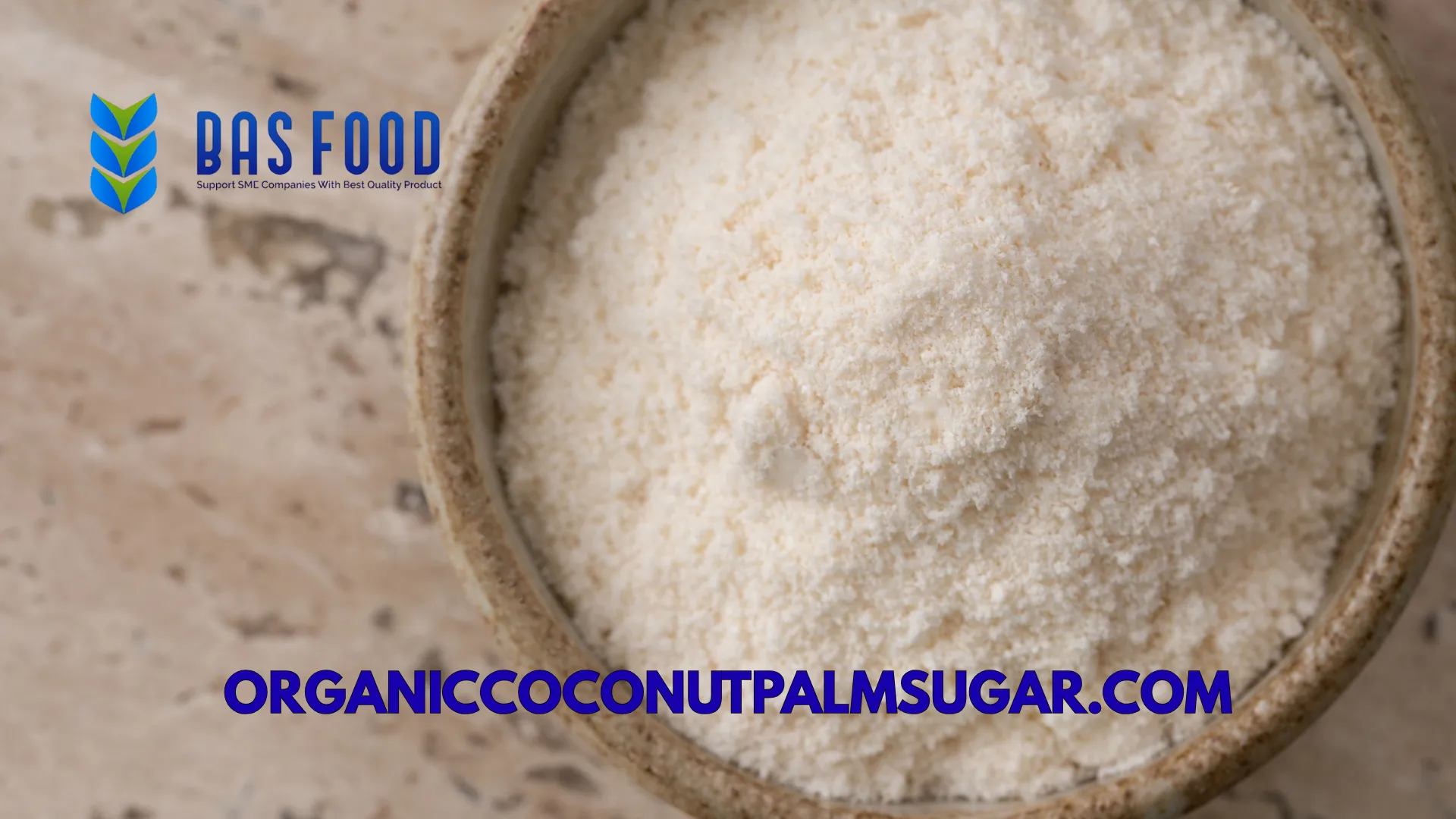
Organic coconut flour fits clean-label logic because it uses a single raw material with minimal processing. This simplicity supports clear labeling and traceability. At the same time, organic certification adds a recognized compliance layer.
Moreover, organic coconut flour ingredient sourcing supports plant-based and allergen-aware product lines. Because of this, it integrates well into diverse product portfolios without complex reformulation.
Market Logic Behind Organic Coconut Flour Ingredient Adoption
Brands adopt ingredients for strategic reasons. Organic coconut flour offers functional and commercial advantages when evaluated through a market lens.
First, coconut flour supply chains are well-established in producing countries. Second, global demand supports stable trade volumes. Therefore, brands can scale production without frequent supplier changes.
Regulatory Frameworks Shaping Ingredient Decisions
Ingredient strategy must align with regulatory reality. Organic coconut flour ingredient sourcing intersects with organic regulations and food safety laws.
Organic Certification Systems
USDA Organic and EU Organic frameworks govern most international trade. These systems regulate farming inputs, processing aids, and documentation. Compliance helps brands enter regulated markets with fewer barriers.
Food Safety and Trade Compliance
In addition to organic rules, food safety systems such as HACCP or ISO 22000 apply. These frameworks ensure that ingredients meet hygiene and risk-control expectations across borders.
Processing Methods and Clean-Label Compatibility
Processing choices affect how ingredients fit clean-label standards. Organic coconut flour production relies on drying and milling coconut meat after oil or milk extraction.
Because processing avoids chemical modification, the ingredient remains label-friendly. However, temperature control and sanitation still matter. Poor processing can affect color and consistency, which raises quality concerns.
Quality Control as a Strategic Consideration
Clean-label brands depend on consistent quality. Organic coconut flour ingredient specifications usually define moisture, particle size, and microbiological limits.
Regular testing supports batch consistency. As a result, brands reduce reformulation risk and production downtime. Quality control, therefore, becomes a strategic asset rather than a cost.
Supply Chain Transparency and Traceability
Traceability supports clean-label credibility. Brands need to track ingredients from farm to factory. Organic coconut flour supply chains often provide this visibility through certification and lot tracking.
Because of this, brands can respond faster to audits or market inquiries. Transparent supply chains also strengthen internal compliance systems.
Risk Management in Ingredient Sourcing
Every ingredient carries risk. For organic coconut flour, common risks include moisture changes during transport or inconsistent particle size.
However, clear specifications and supplier audits reduce these risks. Therefore, brands that define expectations early experience fewer disruptions.
Lessons from Regulated Export Industries
Experience in regulated trade improves ingredient reliability. Exporters handling seafood, for example, operate under strict rules.
Tuna species exports, such as Bluefin Tuna, require cold chain logistics, hygiene controls, and detailed documentation. These disciplines strengthen overall quality systems.
Suppliers experienced in fishery exports, spices, cocoa, and coconut products often apply the same rigor across categories. This cross-industry discipline benefits clean-label ingredient sourcing.
Role of Experienced Exporters in Clean-Label Strategy
Supplier capability matters as much as ingredient choice. Indonesian exporters like CV Bonafide Anugerah Sentosa operate across coconut-based products, spices, cocoa products, and regulated fishery items.
Handling seafood export regulations builds strong compliance culture. That experience supports reliable documentation, quality control, and international trade compliance for plant-based ingredients as well.
Best Practices for Brands Before RFQ Stage
Before requesting quotes, brands should define ingredient expectations clearly. This includes specification ranges, certification scope, and testing frequency.
Early alignment reduces negotiation cycles. It also improves supplier matching and long-term partnership potential.
Conclusion: Strategic Thinking Starts with Ingredients
Organic coconut flour ingredient decisions influence more than formulation. They shape compliance readiness, supply stability, and brand credibility.
For clean-label brands, strategic sourcing begins before pricing discussions. By focusing on regulatory fit, quality control, and supplier capability, brands build resilient product lines that scale with confidence.
Frequently Asked Questions (FAQ)
- Why do clean-label brands choose organic coconut flour?
- They value its simple processing, traceable sourcing, and compatibility with organic certification systems.
- Is organic coconut flour considered a clean-label ingredient?
- Yes, because it involves minimal processing and clear raw material origin.
- What regulations affect organic coconut flour sourcing?
- USDA Organic, EU Organic, and food safety systems like HACCP or ISO 22000 commonly apply.
- Does organic coconut flour require cold chain logistics?
- No. However, proper humidity control and packaging remain essential.
- What should brands check before sourcing this ingredient?
- They should review specifications, certifications, and supplier quality systems.
Contact CV Bonafide Anugerah Sentosa how we can provide the best solutions for you. WhatsApp: +62 8213 4505 737, Email: info@bonafideanugerahsentosa.com / bas.mdir@gmail.com.