Global demand for organic coconut flour continues to grow as food brands shift toward gluten-free, clean-label, and plant-based formulations. Although several countries in Southeast Asia produce coconut-based ingredients, importers consistently show a strong preference for Indonesian organic coconut flour. This trend reflects a combination of quality, supply stability, sustainable farming, and export readiness.
Indonesia has earned its place as a leading hub for coconut processing. With vast coconut plantations and well-established agricultural systems, the country supplies various global markets including Europe, the USA, the Middle East, Africa, and East Asia. For importers seeking predictable quality and compliant documentation, Indonesia remains a top choice.
CV Bonafide Anugerah Sentosa, one of Indonesia’s reliable exporters of coconut products, spices, and fishery commodities, plays an important role in meeting this demand. Their focus on international standards, traceability, and production consistency makes them a trusted partner for buyers worldwide.
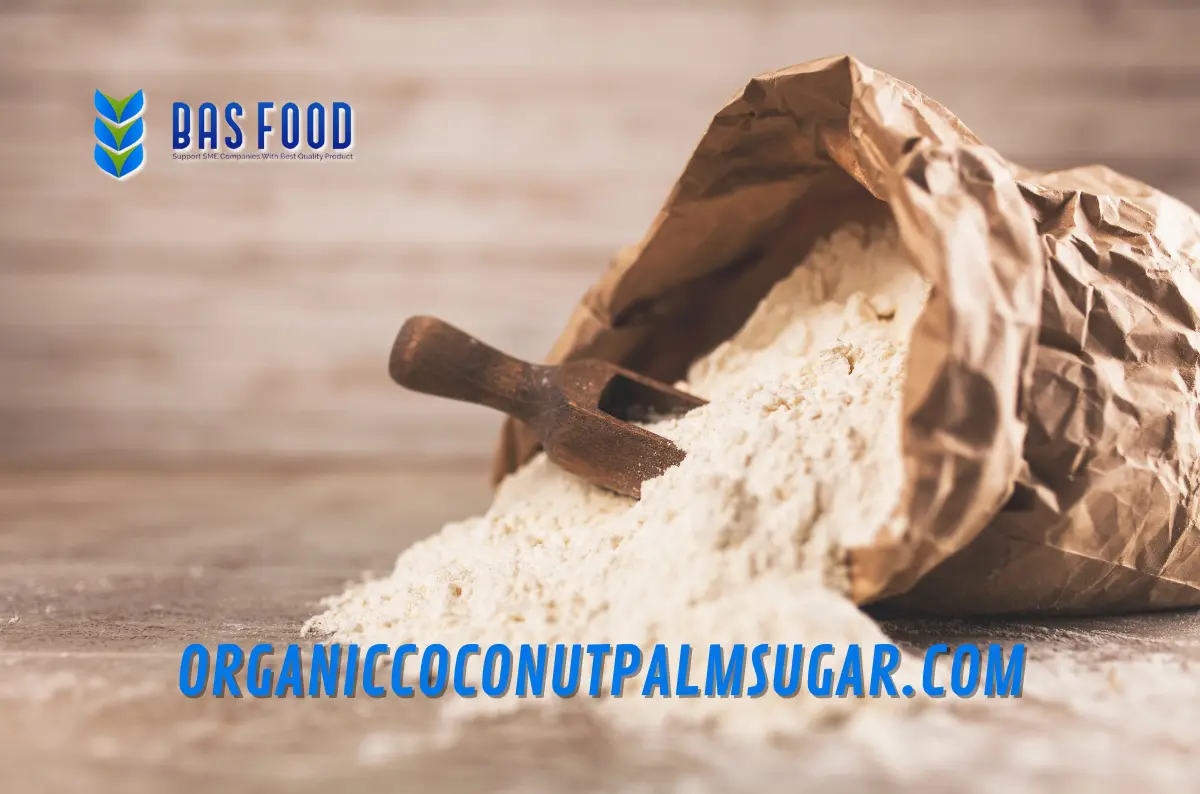
Indonesia’s Coconut Advantage in the Global Market
Indonesia sits at the heart of the tropics, making it ideal for coconut cultivation. The country has one of the world’s largest coconut-growing regions with consistent harvest cycles throughout the year. This natural abundance allows producers to maintain stable supply volumes, which is crucial for buyers who depend on long-term contracts.
Furthermore, Indonesia’s coconut industry benefits from generations of traditional processing knowledge paired with modern production systems. This combination gives Indonesian producers the ability to create coconut flour with balanced flavor, aroma, color, and nutrient retention. Many importers prefer these characteristics because they suit a wide range of food applications.
How Indonesian Organic Coconut Flour Stands Out in Quality
When comparing coconut flour from Southeast Asia, Indonesia often ranks highest in terms of texture, color uniformity, and moisture stability. These factors matter because they directly influence how coconut flour performs in bakery, snack, and functional food formulations. Products from Indonesia tend to have a naturally light aroma and a fine, consistent grind—qualities appreciated by R&D teams working with sensitive recipes.
Another key difference lies in moisture control. Indonesian producers maintain strict limits on moisture content, helping reduce clumping and extend shelf life. This makes the flour easier to handle and store during long-distance export. As a result, buyers experiences fewer issues during production and distribution.
Comparing Coconut Flour Origins: Indonesia vs Other Producers
A coconut flour origin comparison reveals notable contrasts between Indonesia and other producing countries. For example, certain regions struggle with seasonal supply disruptions or inconsistent processing standards. These inconsistencies can cause variations in color, fat content, or microbial levels, which may complicate importation.
In contrast, Indonesia’s processing ecosystem is more stable. Facilities operate year-round and follow predictable production schedules. The reliability appeals to buyers who need consistent batch quality for international food manufacturing. Because many Indonesian producers hold organic, Halal, Kosher, and food safety certifications, their products meet diverse regulatory requirements across multiple regions.
Why Indonesia Leads in Export-Ready Documentation and Compliance
One reason importers choose Indonesian coconut products is the country’s strong export compliance infrastructure. Exporters provide essential documents such as phytosanitary certificates, organic certifications, laboratory reports, and traceability documents. These records reduce the likelihood of customs delays and ensure a smooth market entry process.
Beyond documentation, Indonesia maintains standardized organic regulations aligned with international requirements. Certified producers undergo routine audits and maintain strict adherence to organic farming and non-GMO practices. This creates confidence among importers, especially those supplying strict markets such as Europe and the United States.
Sustainability Practices Strengthen Indonesia’s Market Position
Many modern buyers prioritize sustainability in their sourcing decisions. Indonesia’s coconut industry supports eco-friendly farming practices that preserve soil fertility and reduce waste. Coconut trees thrive naturally without synthetic fertilizers, making organic farming more accessible and sustainable.
Producers also use environmentally conscious processing techniques. By controlling energy use, improving drying systems, and reducing by-product waste, Indonesian manufacturers ensure that coconut flour aligns with global sustainability goals. These practices help brands market their products as eco-friendly and responsible.
How Indonesian Organic Coconut Flour Supports Global Food Innovation
The global demand for gluten-free and plant-based ingredients is rising rapidly. Indonesian organic coconut flour fits well into these categories because of its natural fiber, mild sweetness, and smooth texture. It supports clean-label product development by offering a straightforward, single-ingredient option.
Food manufacturers use it for bakery goods, protein snacks, meal replacements, and blended flours. Its high absorbency helps enhance product texture while reducing reliance on artificial stabilizers. Because Indonesia supplies consistent quality, R&D teams find it easier to maintain predictable results during mass production.
The Role of Trusted Exporters Like CV Bonafide Anugerah Sentosa
Reliable exporters strengthen Indonesia’s reputation in the global coconut industry. CV Bonafide Anugerah Sentosa is one of the companies trusted by international buyers for supplying export-grade coconut flour and other commodities such as spices, fishery products, and coconut derivatives.
The company focuses on consistency, traceability, and food safety—three areas that importers value most. Their export-ready certifications and commitment to high-quality processing make them a dependable partner for brands building long-term supply relationships. With their support, global importers can secure steady shipments of premium Indonesian coconut flour.
Why Importers Prefer Indonesia for Long-Term Sourcing
Importers look beyond price when choosing an ingredient origin. They seek long-term supply stability, responsive communication, and reliable quality. Indonesia excels in all these areas. Stable production cycles ensure continuous availability, while strong exporter networks provide seamless logistics support.
Furthermore, Indonesia’s coconut industry has decades of experience supplying international markets. Whether buyers require organic, conventional, bulk packing, or retail-ready forms, Indonesian producers understand export expectations. This maturity in the supply chain explains why Indonesia outperforms other origins in importer preference surveys.
Conclusion: Indonesia Remains the Top Choice for Global Coconut Flour Importers
After comparing production scale, quality, sustainability, certification, and export expertise, Indonesia emerges as the strongest origin for coconut flour imports. Its unique advantages position it as a reliable, high-quality source for global manufacturers seeking dependable organic ingredients.
With trusted exporters like CV Bonafide Anugerah Sentosa, buyers gain access to premium organic coconut flour with guaranteed consistency and compliance. As international markets continue to demand clean-label, gluten-free, and plant-based ingredients, Indonesian coconut flour will remain a preferred solution for forward-thinking brands.
Contact CV Bonafide Anugerah Sentosa how we can provide the best solutions for you. WhatsApp: +62 8213 4505 737, Email: info@bonafideanugerahsentosa.com / bas.mdir@gmail.com.