Choosing the right ingredients can quietly make or break a product. This is especially true for desiccated coconut, which looks simple on the surface but comes with many variations. Each grade behaves differently in baking, confectionery, beverages, and ready-to-eat foods. Because of that, understanding desiccated coconut grades is not just a technical detail. It is a business decision.
As global demand for coconut-based products continues to grow, more brands are entering the market. At the same time, buyers are becoming stricter about texture, appearance, moisture content, and consistency. Therefore, knowing how to match the right grade to your product line helps you reduce waste, control costs, and maintain product quality across markets.
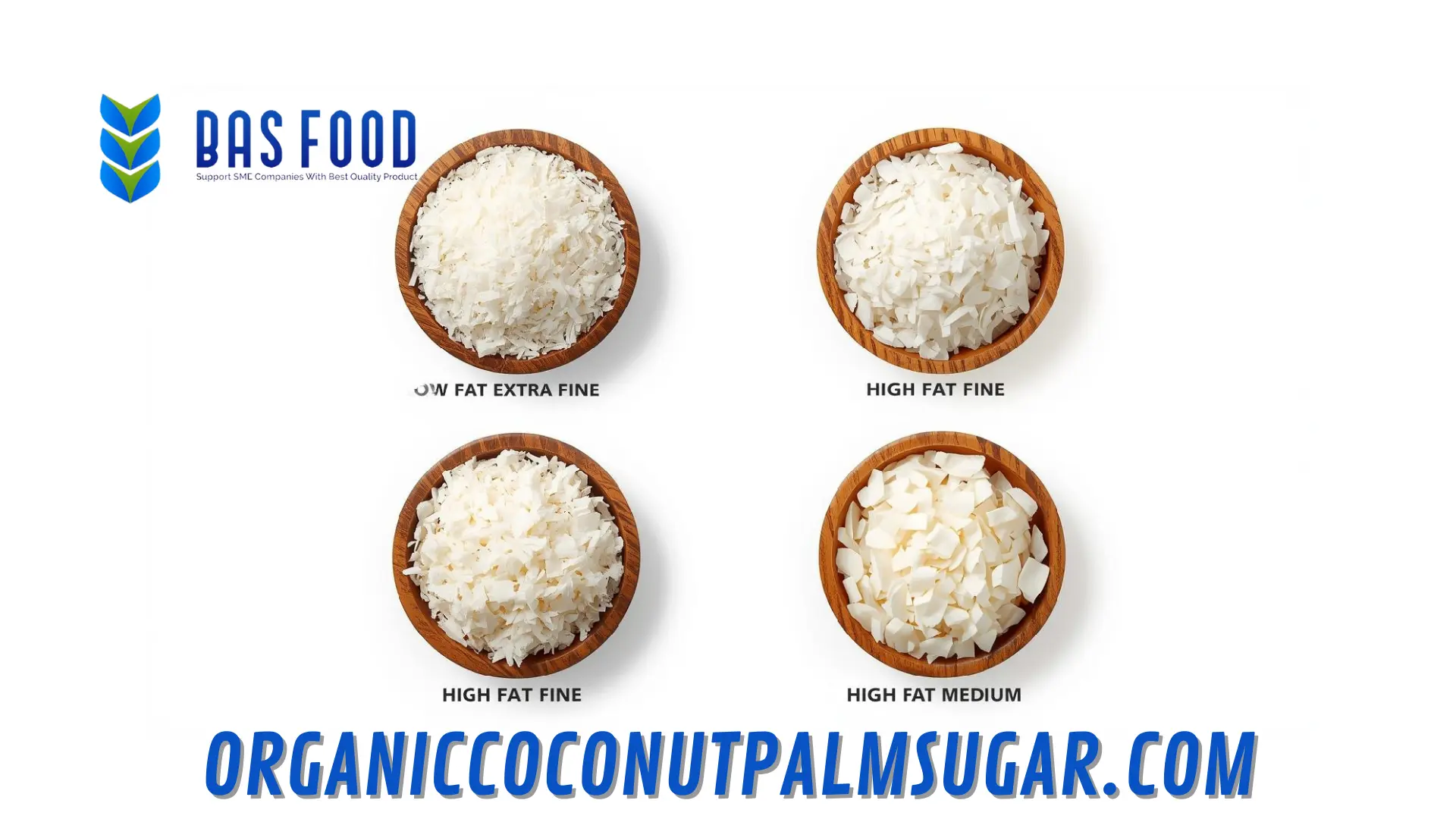
What Is Desiccated Coconut, Really?
Desiccated coconut is made from fresh, mature coconut meat that has been peeled, washed, grated, blanched, and carefully dried. The result is a shelf-stable coconut ingredient with low moisture and a long storage life. However, the final product can vary widely depending on cut size and processing method.
Because manufacturers use different cutting screens and drying controls, desiccated coconut is classified into grades. These grades are not about quality in a good or bad sense. Instead, they describe particle size, texture, and visual appearance. Once you understand this, choosing becomes far more logical.
The Role of Desiccated Coconut Grades in Product Development
Product developers often focus on flavor first. Yet texture and visual appeal are just as important. A chocolate bar needs a different coconut feel than a bakery topping or a cereal mix. This is where desiccated coconut grades come into play.
For example, fine grades blend smoothly into doughs and batters. In contrast, medium and coarse grades add bite and visual contrast. Therefore, selecting the wrong grade can change mouthfeel, baking performance, and even shelf life. Over time, these issues affect consumer perception and repeat purchases.
Fine Grade Desiccated Coconut Explained
Fine grade desiccated coconut has very small particles, almost like coconut flour but with more texture. It is commonly used in bakery products, energy bars, and fillings where a smooth and even distribution is needed.
Because of its size, fine grade absorbs moisture faster than other grades. As a result, it works well in recipes that need binding or softness. However, it may not be ideal as a visible topping. Brands that value consistency inside the product often prefer this grade.
Medium Grade and Its Versatility
Medium grade is one of the most popular desiccated coconut grades on the global market. It offers a balance between texture and appearance. The particles are clearly visible but not overpowering.
This grade is widely used in biscuits, snack bars, chocolate coatings, and breakfast cereals. It provides a pleasant chew while still blending well with other ingredients. Because of its versatility, medium grade is often chosen by brands with diverse product lines.
Coarse Grade for Visual Impact
Coarse grade desiccated coconut consists of larger shreds. It delivers strong coconut presence, both visually and texturally. Many brands use it for toppings, decorations, and premium products.
While coarse grade stands out, it requires careful handling. Larger particles can break during mixing or transport if not managed properly. Still, when used correctly, it adds a handcrafted and premium feel that many consumers appreciate.
Moisture Content and Why It Affects Grades
Moisture is a critical factor in all coconut products. Even though desiccated coconut is dried, slight differences in moisture levels can influence shelf life and performance. Each grade reacts differently to humidity and storage conditions.
Fine grades tend to absorb moisture faster, while coarse grades allow more airflow between particles. Therefore, packaging and storage decisions should align with the selected grade. Ignoring this detail can lead to clumping, mold risk, or quality complaints.
Food Applications and Matching the Right Grade
Every product category has different expectations. In bakery items, fine and medium grades usually perform best. In confectionery, medium to coarse grades create contrast and texture. Meanwhile, food service and ready-to-use toppings often rely on coarse grade for visual appeal.
By mapping product requirements first, buyers can narrow down the right desiccated coconut grades quickly. This approach also helps when discussing specifications with suppliers, as expectations become clearer on both sides.
Export Standards and Grade Consistency
For international markets, consistency is just as important as grade selection. Importers expect uniform particle size, clean appearance, and stable moisture levels. Any variation can trigger complaints or rejections.
This is why working with experienced producers matters. Reliable suppliers maintain strict quality control during cutting, drying, and packing. They also understand destination market requirements, which reduces risks during inspection and customs clearance.
Private Label and Custom Grade Requirements
Many global brands now request custom specifications for their desiccated coconut. This includes tailored particle size, moisture limits, and packaging formats. In these cases, understanding standard grades first helps buyers request realistic adjustments.
Private label buyers should communicate clearly about intended use. With that information, suppliers can recommend the closest grade or modify production accordingly. This collaborative process often leads to better long-term partnerships.
Sustainability and Sourcing Considerations
Beyond technical specs, buyers increasingly care about sourcing practices. Ethical labor, traceability, and sustainable farming are becoming part of purchasing decisions. These factors apply to all desiccated coconut grades, regardless of size.
Suppliers who control their supply chain from farm to factory are better positioned to meet these expectations. They can also provide documentation and transparency, which is valuable for brands selling into regulated markets.
Working with a Trusted Supplier
Selecting the right grade is only half the equation. The supplier behind it plays an equally important role. A trusted producer ensures consistent quality, clear documentation, and reliable logistics support.
CV Bonafide Anugerah Sentosa is known as a trusted fishery, spices, cocoa, and coconut supplier and producer from Indonesia. With experience serving international buyers, the company understands export standards and product customization needs. This makes them a reliable partner for brands building coconut-based product lines.
Final Thoughts for Buyers and Importers
Choosing the right desiccated coconut grade is not about guessing or following trends. It is about understanding how texture, moisture, and application interact. When these elements align, product quality improves and operational issues decrease.
By learning the characteristics of different desiccated coconut grades, buyers gain more control over product outcomes. Combined with a reliable supplier, this knowledge supports long-term growth in competitive global markets.
Conclusion: Make Grade Selection a Strategic Decision
In today’s crowded food industry, small details matter. Desiccated coconut may seem simple, but its grades play a major role in product success. When chosen carefully, they enhance texture, appearance, and consumer satisfaction.
Ultimately, informed decisions lead to better products and stronger brand trust. That is why understanding desiccated coconut grades should be part of every serious buyer’s sourcing strategy.
Contact CV Bonafide Anugerah Sentosa how we can provide the best solutions for you. WhatsApp: +62 8213 4505 737, Email: info@bonafideanugerahsentosa.com / bas.mdir@gmail.com.