Coconut is one of the most versatile ingredients in the global food industry. It is used in beverages, bakery products, snacks, sauces, and even plant-based alternatives. However, not all coconut products serve the same purpose. The choice between fresh coconut and processed forms can significantly affect product quality, cost, and scalability. This is where understanding desiccated coconut vs fresh coconut becomes essential. For B2B buyers, food manufacturers, and importers, selecting the right format is not just about preference. It is about performance, efficiency, and meeting market demands. Therefore, this article explores the differences, advantages, and best-use cases of each option.
What is Fresh Coconut? Characteristics and Limitations
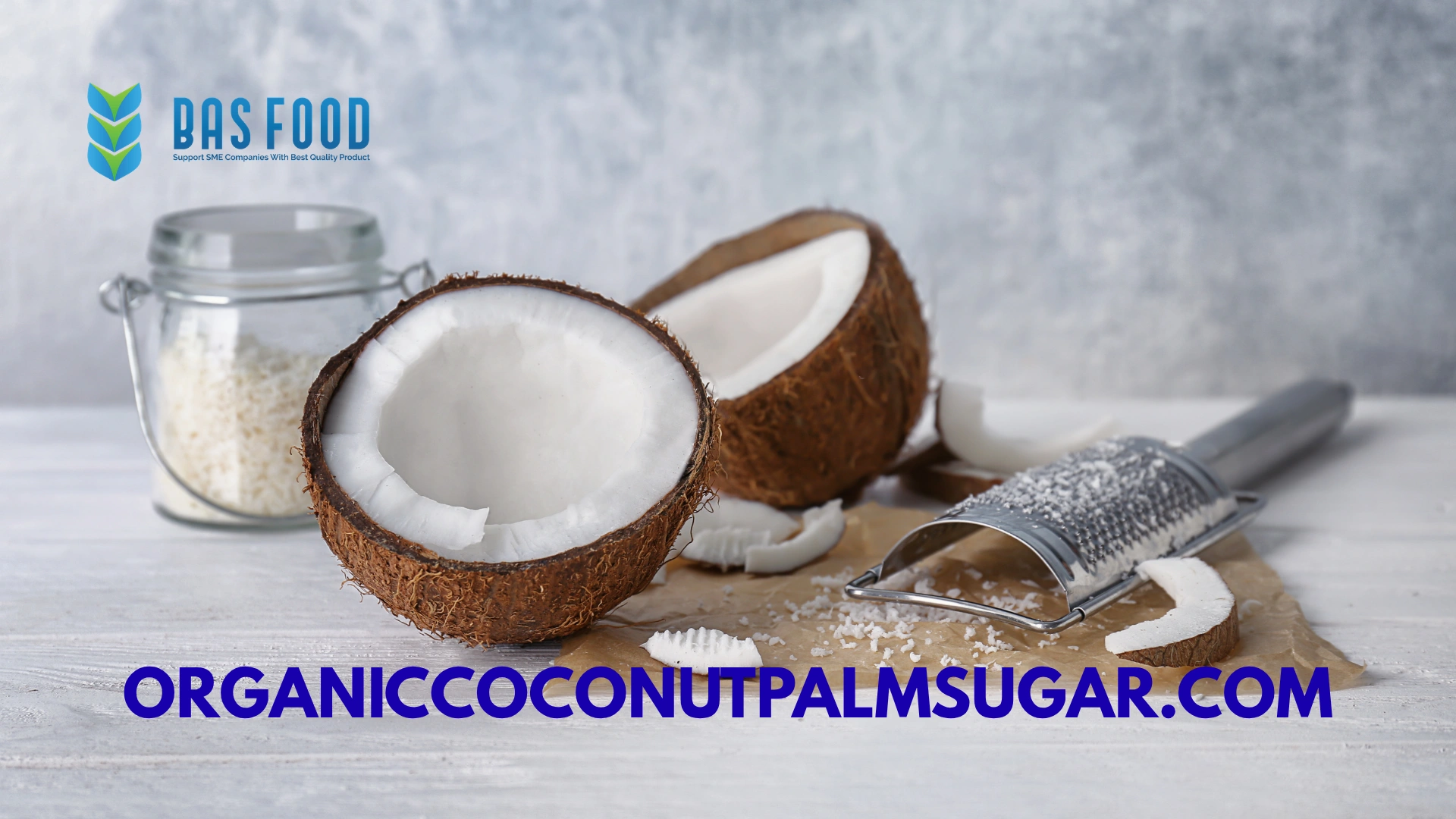
Fresh coconut refers to raw coconut meat taken directly from the fruit. It has a high moisture content and a soft texture. Because of its natural state, it delivers a rich and authentic coconut flavor that many traditional recipes rely on.
However, fresh coconut has several limitations in industrial use. Its high moisture content makes it highly perishable. It requires refrigeration and has a short shelf life. As a result, it is less suitable for large-scale production and international trade. In many coconut applications, these limitations create challenges in consistency and logistics.
What is Desiccated Coconut? A Functional Ingredient Explained
Desiccated coconut is made by drying fresh coconut meat to remove most of its moisture. It is then processed into different particle sizes such as fine, medium, or coarse. This creates a stable and versatile product that is widely used in food manufacturing.
As one of the most practical functional ingredients coconut, desiccated coconut offers consistency and long shelf life. It is easy to store, transport, and integrate into production processes. Therefore, it has become a preferred choice for many industries, especially in B2B supply chains.
Key Differences Between Desiccated Coconut vs Fresh Coconut
The most obvious difference lies in moisture content. Fresh coconut contains a high level of water, while desiccated coconut is dry and shelf-stable. This difference affects not only storage but also how each ingredient behaves in recipes.
Another key factor is usability. Fresh coconut requires preparation, such as peeling and grating, before use. In contrast, desiccated coconut is ready to use. This makes it more efficient for industrial production. Therefore, when comparing desiccated coconut vs fresh coconut, convenience and scalability clearly favor desiccated coconut.
Shelf Life and Storage Considerations
Shelf life is a critical factor in food manufacturing and export. Fresh coconut can spoil within days if not stored properly. It is sensitive to temperature and humidity, which increases the risk of waste.
On the other hand, desiccated coconut has a much longer shelf life due to its low moisture content. It can be stored at room temperature for extended periods. This makes it ideal for global trade and bulk storage. In many coconut applications, this advantage alone makes desiccated coconut the more practical choice.
Functional Performance in Food Production
Functionality is essential in product development. Ingredients must deliver consistent results in texture, flavor, and stability. Fresh coconut provides a rich flavor but lacks consistency due to its natural variability.
As a functional ingredients coconut, desiccated coconut offers predictable performance. It absorbs moisture, adds texture, and enhances flavor without altering the overall formulation significantly. This makes it easier for manufacturers to maintain product consistency across batches.
Applications in Different Food Industries
Both fresh and desiccated coconut have their place in the food industry. Fresh coconut is commonly used in traditional dishes, fresh desserts, and local cuisines where immediate use is possible.
However, desiccated coconut dominates in industrial coconut applications. It is widely used in bakery products, confectionery, snack bars, and ready-to-eat meals. Its versatility allows manufacturers to innovate and develop new products efficiently.
Cost Efficiency and Production Scalability
Cost is always a key consideration in B2B operations. Fresh coconut may seem affordable at the source, but its short shelf life and handling requirements increase overall costs.
In contrast, desiccated coconut offers better cost efficiency in large-scale production. It reduces waste, simplifies logistics, and improves production speed. Therefore, when evaluating desiccated coconut vs fresh coconut, desiccated coconut provides a clear advantage in scalability.
Transportation and Global Trade Advantages
Transportation plays a major role in international business. Fresh coconut requires careful handling, refrigeration, and fast delivery. This increases shipping costs and limits export potential.
Desiccated coconut, however, is easy to transport. It is lightweight, compact, and does not require special storage conditions. This makes it ideal for global trade. As a result, it is widely used in international coconut applications.
Food Safety and Quality Control
Food safety is a top priority for manufacturers and importers. Fresh coconut carries a higher risk of contamination due to its moisture content and handling requirements.
Desiccated coconut undergoes controlled processing and drying. This reduces microbial risks and ensures consistent quality. As a functional ingredients coconut, it meets international food safety standards more easily, making it suitable for export markets.
Supporting Clean Label and Natural Trends
Consumers today prefer natural and simple ingredients. Both fresh and desiccated coconut meet these expectations. However, desiccated coconut offers additional advantages in processing and labeling.
It can be used without artificial additives while still maintaining stability. This makes it ideal for clean-label products. Therefore, in modern coconut applications, desiccated coconut aligns well with consumer trends.
Nutritional Comparison and Value
From a nutritional perspective, both forms of coconut offer benefits. Fresh coconut contains more water and provides hydration along with nutrients.
Desiccated coconut, on the other hand, is more concentrated. It contains higher levels of fiber and healthy fats per serving. This makes it a valuable functional ingredients coconut for energy-dense products such as snack bars and bakery items.
Sustainability and Resource Efficiency
Sustainability is becoming increasingly important in the food industry. Efficient use of resources and reduced waste are key factors in ingredient selection.
Desiccated coconut supports sustainability by extending shelf life and reducing spoilage. It also allows better utilization of raw materials. Therefore, in the debate of desiccated coconut vs fresh coconut, desiccated coconut often provides a more sustainable solution.
Choosing the Right Option for Your Business
The choice between fresh and desiccated coconut depends on the application. For local, small-scale, or fresh products, fresh coconut may be suitable.
However, for large-scale production, export, and long shelf life, desiccated coconut is the better option. It offers consistency, efficiency, and reliability. Therefore, businesses must evaluate their needs carefully when selecting between desiccated coconut vs fresh coconut.
Why Reliable Suppliers Make the Difference
Even the best ingredient requires a reliable supplier. Consistent quality, proper processing, and timely delivery are essential for success.
CV Bonafide Anugerah Sentosa is a trusted exporter of coconut products from Indonesia. The company provides high-quality desiccated coconut that meets international standards. With strong experience in global markets, they support various coconut applications for B2B buyers.
Conclusion: Making the Smart Choice for Modern Food Production
The comparison of desiccated coconut vs fresh coconut highlights important differences in functionality, shelf life, and scalability. While fresh coconut offers authenticity, it comes with limitations.
Desiccated coconut, on the other hand, provides consistency, efficiency, and versatility. It is a strategic ingredient for modern food production and global trade. By choosing the right format, businesses can improve product quality and achieve long-term success.