In the global coconut trade, quality is everything. Buyers expect consistency, safety, and long shelf life. However, one critical factor often determines whether a product meets these expectations: moisture content. When it comes to desiccated coconut, moisture content is especially important because it can greatly affect product performance. It may seem like a small detail, but it plays a major role in product performance.
Understanding desiccated coconut moisture content is essential for manufacturers, importers, and distributors. It directly affects texture, shelf life, safety, and overall product quality. Therefore, controlling moisture is not just a technical requirement. It is a key business factor in the coconut industry.
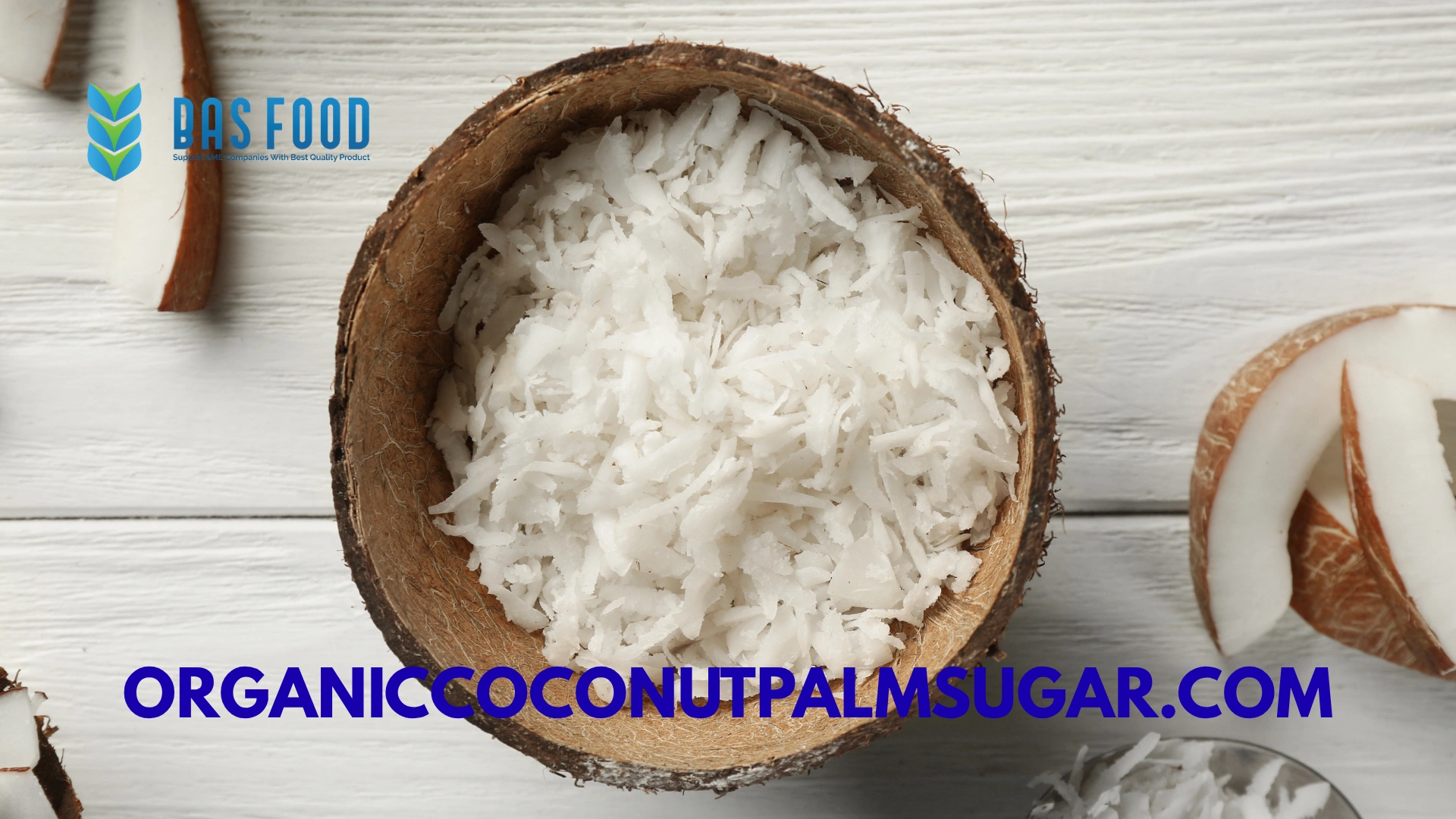
What is Desiccated Coconut Moisture Content?
Moisture content refers to the amount of water present in desiccated coconut after processing. During production, fresh coconut meat is grated and dried to reduce its water level. This process creates a stable and long-lasting product.
Typically, desiccated coconut moisture content ranges between 2% and 3%. This low level is ideal for maintaining product quality. However, even small variations can affect performance. Therefore, precise control during drying and storage is essential.
The Relationship Between Moisture Content and Coconut Dryness Level
Moisture content and coconut dryness level are closely connected. A lower moisture level means a drier product, while higher moisture results in a softer texture. Finding the right balance is important for different applications.
For example, bakery products may require slightly different dryness levels compared to confectionery items. If the coconut is too dry, it may become brittle. On the other hand, if it contains too much moisture, it can become sticky or spoil quickly. Therefore, manufacturers must adjust the dryness level based on the intended use.
Impact on Shelf Stability and Product Longevity
Shelf life is a major concern in global trade. Products must remain safe and fresh during transportation and storage. This is where shelf stability coconut becomes critical.
Low moisture content helps prevent microbial growth. Bacteria and mold need water to grow. By reducing water levels, desiccated coconut becomes more stable and safe. As a result, proper control of desiccated coconut moisture content extends shelf life and reduces the risk of spoilage.
Understanding Water Activity in Coconut Products
Water activity is another important concept in food science. It measures how much water is available for microbial growth, not just the total moisture content. Even if moisture is low, high water activity can still cause problems.
In water activity coconut analysis, the goal is to keep levels below the threshold where microorganisms can grow. This ensures product safety and stability. Therefore, both moisture content and water activity must be controlled together.
Processing Techniques to Control Moisture Content
The drying process is the most important stage for controlling moisture. After the coconut is grated, it is dried using hot air systems. Temperature and drying time must be carefully managed.
If the drying process is too fast, it can affect texture and flavor. If it is too slow, moisture may remain too high. Therefore, advanced processing technology is often used to ensure consistent desiccated coconut moisture content.
Role of Quality Control in Moisture Management
Quality control is essential in maintaining consistent moisture levels. Producers use specialized equipment to measure moisture content during and after production.
Regular testing ensures that the product meets international standards. It also helps identify any deviations early. As a result, strong quality control systems are key to maintaining the right coconut dryness level.
Packaging and Its Effect on Moisture Retention
Packaging plays a critical role in preserving moisture levels. Even if the product is dried correctly, poor packaging can lead to moisture absorption.
Desiccated coconut is usually packed in moisture-proof materials such as laminated bags. These materials protect the product from humidity and external conditions. Therefore, proper packaging supports shelf stability coconut and maintains product quality.
Storage Conditions and Environmental Factors
Storage conditions also affect moisture content. High humidity and temperature can cause the product to absorb moisture from the air.
To prevent this, desiccated coconut should be stored in cool and dry environments. Proper ventilation and temperature control are important. These measures help maintain stable water activity coconut levels and ensure long-term quality.
Impact on Texture, Taste, and Performance
Moisture content directly influences the texture and taste of desiccated coconut. A well-balanced product offers a pleasant mouthfeel and consistent flavor.
In contrast, incorrect moisture levels can lead to quality issues. Too much moisture can cause clumping and spoilage. Too little moisture can result in a dry and less appealing product. Therefore, controlling desiccated coconut moisture content is essential for optimal performance.
Importance for Food Manufacturers and Industrial Applications
Food manufacturers rely on consistent ingredients for production. Variations in moisture content can affect recipes and final products.
In industrial applications, maintaining the right coconut dryness level ensures smooth processing. It also improves product consistency. Therefore, manufacturers prefer suppliers who can guarantee stable moisture levels.
International Standards and Buyer Requirements
Global buyers have strict requirements for moisture content. These standards ensure product safety and quality during international trade.
Exporters must comply with these regulations to access global markets. Regular testing, documentation, and certification are necessary. As a result, maintaining proper desiccated coconut moisture content is essential for export success.
Common Challenges in Moisture Control
Controlling moisture is not always easy. Environmental conditions, equipment limitations, and handling practices can affect results.
However, experienced producers use advanced techniques to overcome these challenges. Continuous monitoring and process improvements help maintain consistent quality. This ensures reliable shelf stability coconut performance.
Future Trends in Coconut Processing Technology
The coconut industry continues to evolve. New technologies are improving drying efficiency and moisture control.
Innovations such as automated drying systems and real-time monitoring are becoming more common. These advancements help producers achieve precise water activity coconut levels. As a result, the industry is moving toward higher quality and consistency.
Conclusion: Moisture Content as a Key Quality Indicator
Moisture content is more than just a technical parameter. It is a key factor that determines product quality, safety, and performance.
By understanding and controlling desiccated coconut moisture content, producers and buyers can ensure better results. From shelf stability to texture, every aspect depends on proper moisture management. Therefore, it remains one of the most important elements in the global coconut industry.