For international buyers evaluating Indonesian suppliers, CV Bonafide Anugerah Sentosa organic coconut water represents a sourcing option supported by diversified agricultural exports and structured quality management. Buyers often search for reliable partners who understand global compliance and consistent production.
This article explains how CV Bonafide Anugerah Sentosa manages organic coconut water supply alongside coconut derivatives and other export commodities. It also outlines the company’s operational practices, certification alignment, and trade experience.
Company Overview and Export Background
CV Bonafide Anugerah Sentosa operates as an Indonesian exporter focused on agricultural and seafood commodities. The company supports international buyers by coordinating sourcing, processing, and export documentation.
Moreover, the company works with producers across Indonesia’s agricultural regions. This network allows the exporter to manage products such as coconut derivatives, spices, fishery commodities, and coffee for global markets.
CV Bonafide Anugerah Sentosa Organic Coconut Water Supply
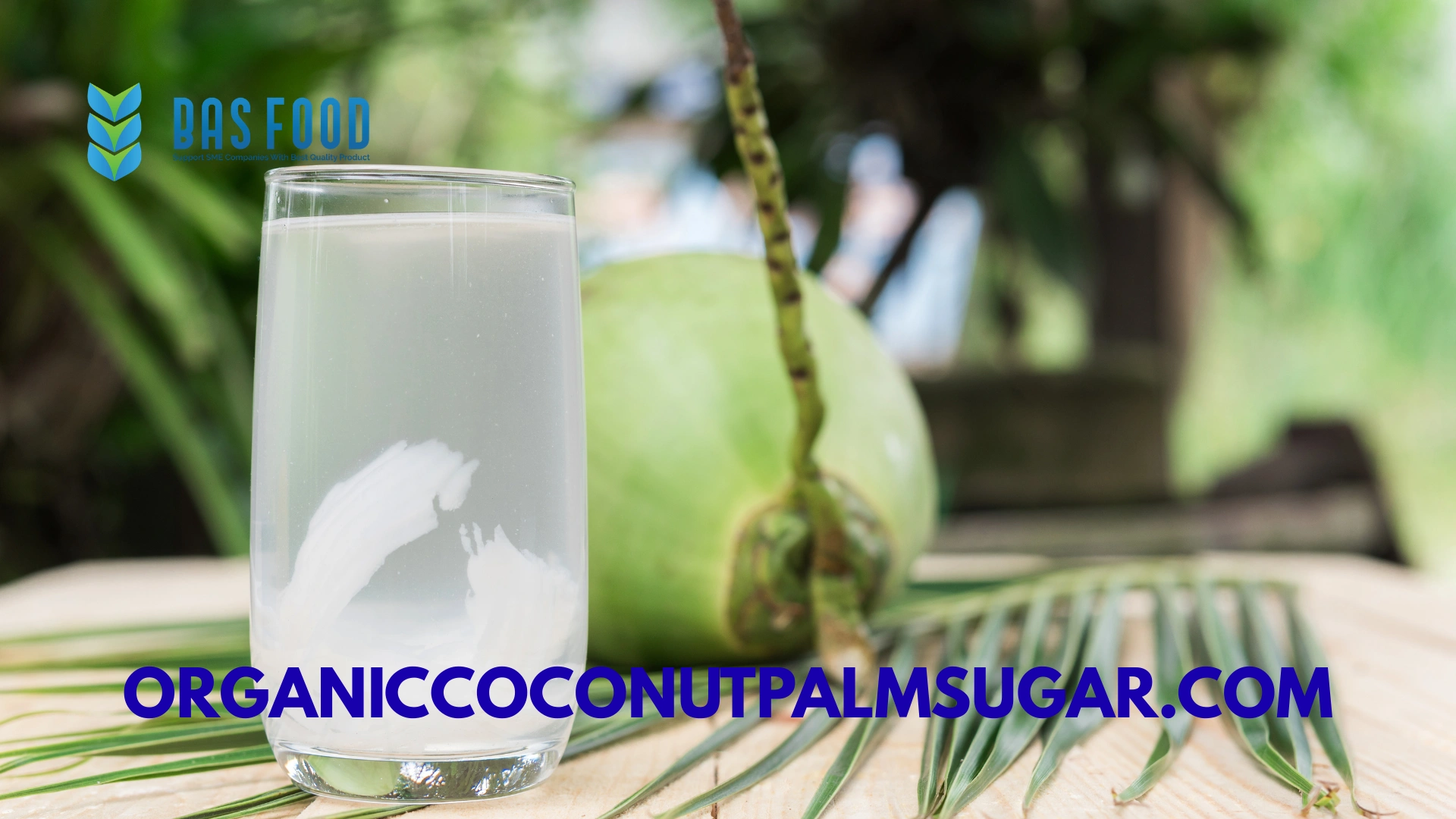
CV Bonafide Anugerah Sentosa organic coconut water comes from Indonesian coconut-growing regions that support year-round harvesting. Indonesia’s tropical climate allows consistent coconut production across several islands.
Consequently, the company can coordinate supply with farmer groups and processors. This approach supports traceability and stable export volumes for beverage manufacturers.
Indonesia’s Coconut Industry and Raw Material Availability
Indonesia ranks among the world’s largest coconut producers. The crop grows widely in coastal areas and tropical lowlands throughout the archipelago.
This geographic spread reduces the risk of supply disruption. When one region faces weather challenges, other regions can continue harvesting.
Coconut Derivatives in the Export Portfolio
Organic coconut water forms part of a wider coconut product portfolio. Many international buyers also require additional coconut-based ingredients.
Examples of commonly exported coconut derivatives include:
Coconut Flour
Coconut flour is produced from dried coconut meat after oil extraction. It is widely used in bakery, gluten-free foods, and plant-based product formulations.
Coconut Sugar
Coconut sugar is made from coconut blossom sap. It has become popular in natural sweetener markets because of its caramel-like flavor.
Other Coconut Ingredients
Exporters may also handle coconut cream, coconut oil, and coconut water concentrate depending on market demand. This range helps buyers source multiple ingredients from a single origin.
Organic Certification and International Market Requirements
Organic coconut products must follow strict agricultural and processing standards. Certification confirms that farmers avoid restricted chemicals and maintain approved farming practices.
Many Indonesian exporters align with international certification frameworks. These include EU Organic and the USDA National Organic Program.
Additionally, some buyers request Halal certification and HACCP food safety systems. These requirements support trade with markets in Europe, North America, and the Middle East.
Processing Standards and Product Stabilization
Fresh coconut water requires immediate stabilization after extraction. Without treatment, natural enzymes and microorganisms can affect product quality.
Processing facilities typically apply filtration and controlled heat treatment. These methods reduce microbial risk while preserving the natural characteristics of coconut water.
In some cases, processors also use aseptic packaging systems. These systems help maintain shelf stability during international transport.
Quality Control and Traceability Systems
Quality assurance begins with raw coconut selection. Farmers harvest coconuts at the correct maturity stage to maintain flavor balance and clarity.
Laboratories then test the coconut water for sugar level, pH balance, and microbial safety. Batch tracking systems also document the origin of each shipment.
These procedures support product consistency and allow exporters to trace production history if questions arise.
Export Compliance and Trade Documentation
International shipments require accurate documentation and regulatory compliance. Exporters must prepare certificates of origin, health certificates, and commercial documentation.
Experience with strict regulatory sectors strengthens compliance discipline. For example, companies exporting tuna species such as Bluefin tuna and Yellowfin tuna follow rigorous seafood export regulations.
These standards involve traceability, inspection procedures, and temperature monitoring. Similar documentation practices often support other agricultural exports.
Cold Chain Logistics and Distribution
Temperature-sensitive products require controlled logistics. Although some coconut water formats can ship at ambient temperature, others require refrigerated transport.
Exporters familiar with frozen seafood logistics often apply strict monitoring systems. These systems track container conditions throughout the shipping process.
Cold chain discipline reduces product risk during long-distance transportation.
Multi-Commodity Export Experience
Diversified exporters often manage complex supply chains across several industries. This operational experience can improve documentation accuracy and logistics planning.
CV Bonafide Anugerah Sentosa exports commodities including:
- Fishery products such as tuna species
- Indonesian spices
- Coffee products
- Coconut-based ingredients
Handling multiple commodities requires strong coordination with producers, laboratories, and freight partners.
Risk Management in Agricultural Exports
Agricultural supply chains face risks related to climate, logistics, and regulatory change. Exporters must plan for harvest fluctuations and transportation delays.
Supplier audits and documentation review help reduce these risks. In addition, diversified sourcing regions support stable raw material supply.
Structured export procedures allow companies to manage international shipments more effectively.
Best Practices for Buyers Evaluating Exporters
Buyers often evaluate exporters through technical documentation and product samples. Certification records and laboratory results provide early insight into supplier capability.
Trial shipments also help confirm logistics reliability and product stability. After successful evaluation, companies can move toward larger supply agreements.
Conclusion: Building Trust in Global Ingredient Supply
International buyers increasingly seek reliable partners for coconut-based ingredients. CV Bonafide Anugerah Sentosa organic coconut water supply reflects Indonesia’s large coconut industry and growing export infrastructure.
Through structured quality control, certification alignment, and multi-commodity export experience, Indonesian exporters can support long-term sourcing relationships. Careful evaluation and transparent documentation help build confidence between suppliers and global buyers.
FAQ Section
1. What products does CV Bonafide Anugerah Sentosa export?
The company exports coconut-based ingredients, spices, fishery products, coffee, and other agricultural commodities from Indonesia.
2. Is the coconut water organic certified?
Organic coconut water can follow certification frameworks such as EU Organic and USDA Organic depending on buyer requirements.
3. How is coconut water stabilized for export?
Processors use filtration, pasteurization, or aseptic packaging systems to maintain product quality and shelf life.
4. What documents are required for coconut water export?
Typical export documents include a certificate of origin, health certificate, commercial invoice, and organic certification records.
5. Why do buyers source coconut products from Indonesia?
Indonesia offers large coconut production capacity, year-round harvesting, and established agricultural supply networks.
Contact CV Bonafide Anugerah Sentosa how we can provide the best solutions for you. WhatsApp: +62 8213 4505 737, Email: info@bonafideanugerahsentosa.com / bas.mdir@gmail.com.