Coconut flour vs rice flour is a common comparison among food manufacturers, bakers, and health-focused brands. Both flours are gluten-free and widely used as wheat flour alternatives, yet they differ significantly in nutritional value, functional behavior, taste, and industrial applications.
Choosing the right flour is not only a matter of recipe preference but also impacts texture, shelf life, cost efficiency, and consumer acceptance. This article provides a clear, practical comparison to help you determine which flour best suits your product development goals.
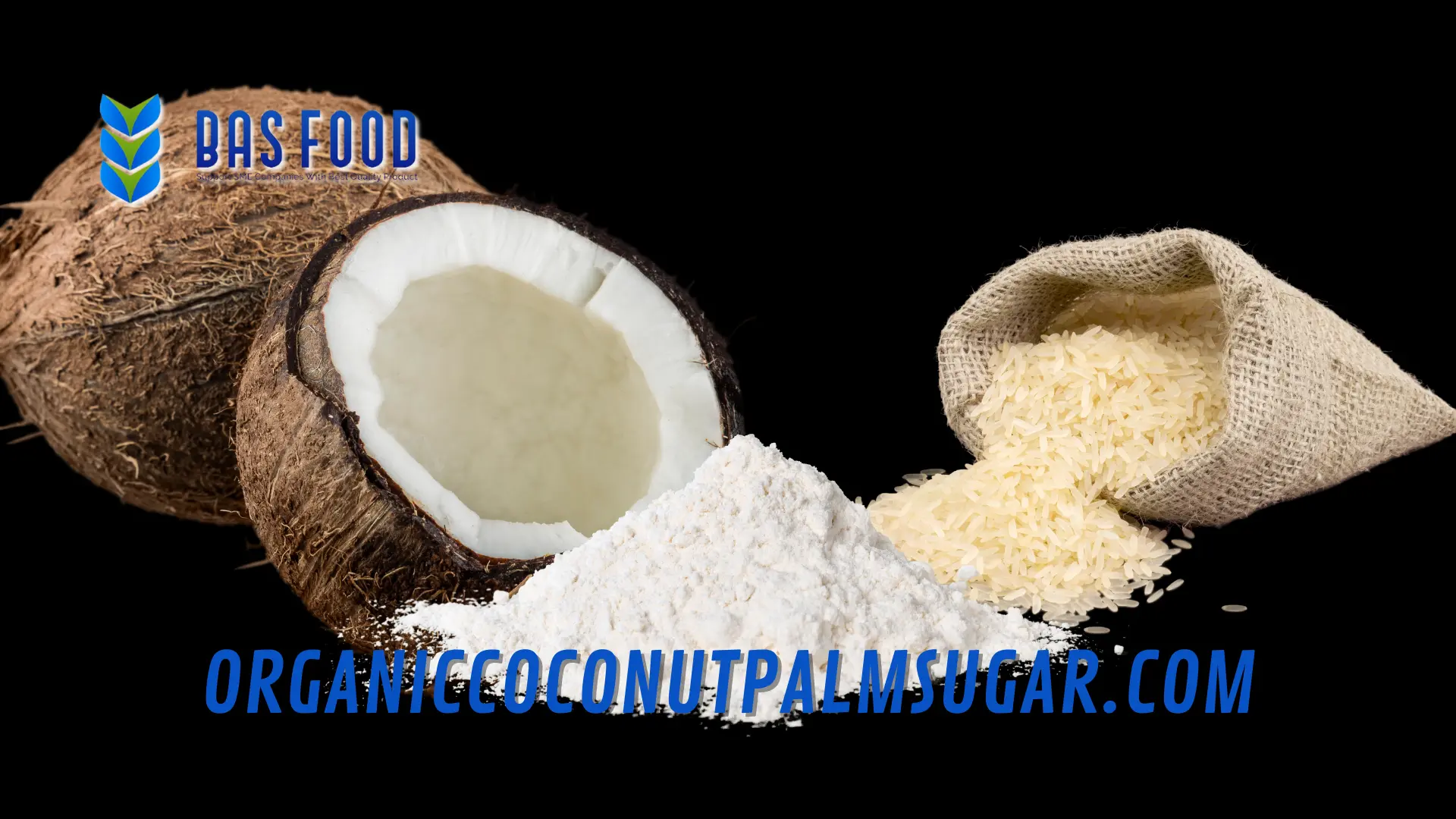
What Is Coconut Flour?
Coconut flour is produced from dried coconut meat, often after coconut milk or oil extraction. The dried material is finely milled into flour with high fiber content and natural coconut aroma.
Key characteristics of coconut flour:
- Naturally gluten-free
- Very high dietary fiber
- Low digestible carbohydrates
- High water absorption capacity
- Mild coconut flavor
Due to its density and absorbency, coconut flour is usually blended with other flours in industrial formulations.
What Is Rice Flour?
Rice flour is made by milling polished or unpolished rice grains into a fine powder. It is one of the most commonly used gluten-free flours worldwide, especially in Asian and Western food industries.
Key characteristics of rice flour:
- Neutral taste
- Smooth, light texture
- Gluten-free and allergen-friendly
- Good starch functionality
- Widely available and cost-efficient
Rice flour performs similarly to wheat flour in many applications, making it a popular base ingredient.
Nutritional Comparison
From a nutritional standpoint, coconut flour vs rice flour shows major differences.
| Aspect | Coconut Flour | Rice Flour |
|---|---|---|
| Dietary Fiber | Very high | Low |
| Carbohydrates | Low | High |
| Protein | Moderate | Low |
| Fat | Moderate (healthy fats) | Very low |
| Glycemic Index | Low | Medium–High |
Summary:
- Coconut flour is ideal for high-fiber, low-carb, and functional foods.
- Rice flour is better suited for energy-dense products and traditional formulations.
Functional Properties in Food Processing
Water Absorption
Coconut flour absorbs significantly more water than rice flour. As a result, formulations require higher liquid ratios and careful balancing.
Rice flour, by contrast, behaves more predictably and offers better dough flow and machinability.
Texture and Structure
Coconut flour creates dense, moist textures and works well in soft baked goods.
Rice flour delivers lighter, crispier textures suitable for noodles, coatings, and snacks.
Flavor Impact
Coconut flour adds a mild coconut note, which can enhance certain products but limit versatility. Rice flour is neutral and adaptable across savory and sweet applications.
Applications in the Food Industry
Bakery Products
Coconut flour: High-fiber bread, keto cookies, health-focused cakes
Rice flour: Sponge cakes, biscuits, muffins, pancakes
Gluten-Free Products
Both flours are widely used in gluten-free formulations, but rice flour is often used as the main base, while coconut flour acts as a functional enhancer.
Snacks & Coatings
Rice flour excels in snack coatings and fried products due to its crisp texture. Coconut flour is more suitable for baked snacks and nutrition bars.
Plant-Based & Health Foods
Coconut flour is favored in keto, paleo, and clean-label products. Rice flour dominates in dairy alternatives, baby food, and instant mixes.
Which Flour Is Better for Your Product?
The choice between coconut flour vs rice flour depends on your product goals:
Choose coconut flour if you need:
- High fiber and functional nutrition
- Low-carb or keto positioning
- Moist texture and clean-label appeal
Choose rice flour if you need:
- Neutral taste and versatility
- Light texture and crispness
- Cost-effective large-scale production
In many industrial applications, the best solution is a blend of both flours, combining nutritional benefits with functional performance.
Conclusion
Coconut flour vs rice flour is not about which is better overall, but which is better for your specific application. Coconut flour stands out for nutrition and fiber, while rice flour excels in texture, neutrality, and scalability. Understanding their differences allows food manufacturers and product developers to create formulations that meet both technical requirements and consumer expectations.
If you are developing gluten-free, health-oriented, or plant-based products, evaluating flour functionality early in the formulation process will save time, cost, and reformulation effort.
Contact CV Bonafide Anugerah Sentosa how we can provide the best solutions for you. WhatsApp: +62 8213 4505 737, Email: info@bonafideanugerahsentosa.com / bas.mdir@gmail.com.