Coconut flour has gained attention as a gluten-free, grain-free, and high-fiber ingredient, especially in health-oriented and specialty food products. However, despite its nutritional appeal, coconut flour presents significant limitations at an industrial scale.
For food manufacturers, coconut flour is not a drop-in replacement for wheat or starch-based flours. Its processing behavior, formulation constraints, and cost structure require careful evaluation before commercial adoption.
This article outlines the key limitations of coconut flour in industrial food manufacturing, helping decision-makers assess whether it is suitable for large-scale production.
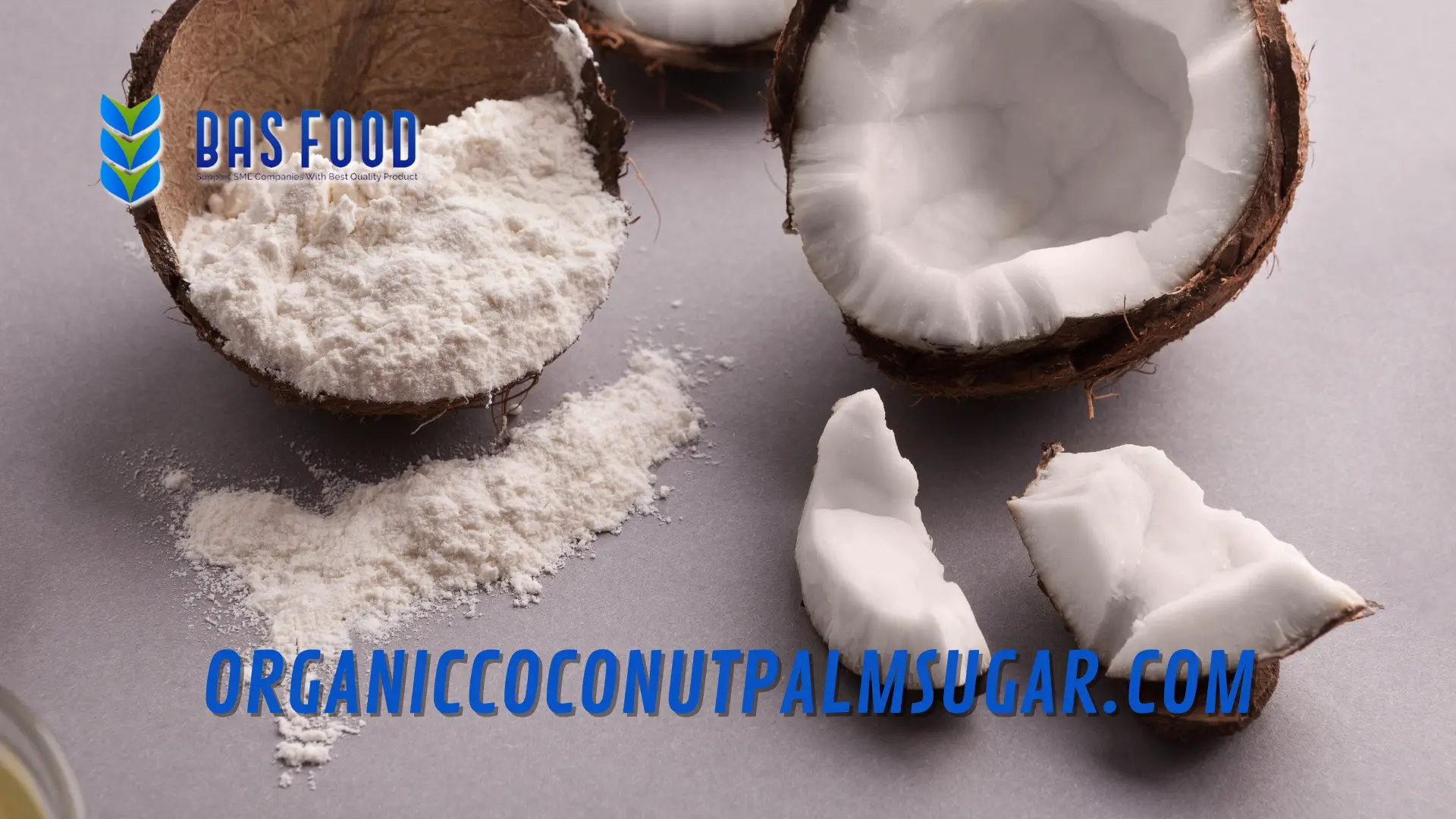
Overview of Coconut Flour in Industrial Use
Coconut flour is produced from defatted coconut meat, typically as a by-product of coconut milk or coconut oil extraction. After drying and milling, the resulting flour is extremely high in dietary fiber and low in digestible carbohydrates.
While this makes coconut flour attractive for:
- High-fiber claims
- Keto or low-carb positioning
- Grain-free formulations
it also introduces functional and operational challenges that limit its industrial use.
Raw Material and Processing Constraints
Coconut flour has gained attention as a gluten-free, grain-free, and high-fiber ingredient, especially in health-oriented and specialty food products. However, despite its nutritional appeal, coconut flour presents significant limitations at an industrial scale.
For food manufacturers, coconut flour is not a drop-in replacement for wheat or starch-based flours. Its processing behavior, formulation constraints, and cost structure require careful evaluation before commercial adoption.
This article outlines the key limitations of coconut flour in industrial food manufacturing, helping decision-makers assess whether it is suitable for large-scale production.
Overview of Coconut Flour in Industrial Use
Coconut flour is produced from defatted coconut meat, typically as a by-product of coconut milk or coconut oil extraction. After drying and milling, the resulting flour is extremely high in dietary fiber and low in digestible carbohydrates.
While this makes coconut flour attractive for:
- High-fiber claims
- Keto or low-carb positioning
- Grain-free formulations
it also introduces functional and operational challenges that limit its industrial use.
Raw Material and Processing Constraints
Low Yield per Raw Material
Coconut flour is derived after fat and liquid extraction, meaning:
- A large volume of coconuts is required
- Yield per nut is relatively low
- Production efficiency is limited
This inherently restricts scalability compared to root- or grain-based flours.
Dependency on Coconut Processing Industry
Coconut flour supply depends on:
- Coconut milk and oil production volumes
- Seasonal coconut harvests
- Regional processing infrastructure
As a result, supply consistency can be less predictable than staple flours.
Functional Limitations in Food Formulation
Extremely High Water Absorption
One of the most critical limitations of coconut flour is its very high water absorption capacity—often 4–5 times higher than wheat flour.
This leads to:
- Thick, heavy batters
- Rapid viscosity changes
- Narrow processing tolerance
Small formulation deviations can cause batch failure, especially in continuous production lines.
Lack of Structural Function
Coconut flour:
- Contains no gluten
- Has minimal starch gelatinization
- Provides little inherent structure
Without additional binders (eggs, gums, modified starches), products tend to be:
- Crumbly
- Dense
- Dry
This limits its use in products requiring volume, elasticity, or softness.
Processing and Manufacturing Challenges
Difficult Mixing and Hydration Control
Due to rapid hydration, coconut flour requires:
- Precise liquid dosing
- Longer mixing times
- Higher energy input
In high-speed industrial mixers, this can cause:
- Uneven hydration
- Lumping
- Inconsistent texture
Limited Compatibility with Existing Lines
Most food manufacturing lines are optimized for:
- Wheat flour
- Rice flour
- Starch-based systems
Coconut flour often requires:
- Reformulation
- Process parameter changes
- Reduced line speed
This increases CAPEX and operational complexity.
Sensory and Product Quality Limitations
Dense and Dry Mouthfeel
High fiber content results in:
- Reduced moisture retention during baking
- Faster staling
- Perceived dryness
This is particularly problematic for:
- Cakes
- Muffins
- Bread-type products
Flavor Interference
Even when deodorized, coconut flour may contribute:
- Mild coconut notes
- Nutty aftertaste
In savory or neutral-flavored products, this can:
- Limit application scope
- Require flavor masking
Cost, Yield, and Scalability Issues
Higher Cost per Functional Unit
Although coconut flour may seem affordable per kilogram, its effective cost in formulation is high because:
- Usage levels are limited
- Additional binders are required
- Water and processing adjustments increase cost
Cost per finished product unit is often higher than with cassava, rice, or corn-based flours.
Scalability Constraints
Coconut flour is better suited for:
- Niche products
- Health-focused SKUs
- Lower-volume production
It is not ideal for mass-market, price-sensitive categories.
Consistency and Quality Control Risks
Batch-to-Batch Variability
Coconut flour quality can vary due to:
- Coconut maturity
- Fat extraction efficiency
- Drying conditions
This affects:
- Particle size
- Water absorption
- Color and flavor
Maintaining consistent performance requires tight supplier control and frequent testing.
Shelf-Life Sensitivity
Residual fat and fiber content can lead to:
- Flavor changes over time
- Oxidative instability if not properly processed
This is especially relevant for long supply chains and export markets.
Regulatory and Labeling Considerations
Allergen Classification
In some markets, coconut is classified as a tree nut, which:
- Limits consumer reach
- Requires allergen labeling
- Complicates export compliance
This makes coconut flour less suitable for allergen-sensitive product lines.
When Coconut Flour Makes Sense (and When It Doesn’t)
- Good Industrial Use Cases
- High-fiber nutrition bars
- Keto or low-carb baked goods
- Specialty health foods
- Limited-run or premium SKUs
Poor Fit for
- Mainstream baked goods
- High-volume bread production
- Products requiring light texture
- Cost-driven mass-market foods
Coconut flour works best as a functional or nutritional component, not as a primary flour replacement.
Conclusion
While coconut flour offers strong nutritional appeal, it comes with significant industrial limitations. Its high water absorption, lack of structural functionality, processing difficulty, cost inefficiency, and scalability challenges make it unsuitable for many mainstream food manufacturing applications.
For manufacturers, coconut flour should be viewed as:
- A specialty ingredient, not a base flour
- A tool for specific claims, not universal functionality
🥥 In industrial food production, understanding the limitations of coconut flour is just as important as recognizing its benefits.
Contact CV Bonafide Anugerah Sentosa how we can provide the best solutions for you. WhatsApp: +62 8213 4505 737, Email: info@bonafideanugerahsentosa.com / bas.mdir@gmail.com.