When companies plan to buy organic coconut sugar bulk, they often focus first on price and availability. However, bulk purchasing involves far more than negotiating a rate per metric ton. Importers must assess quality standards, regulatory compliance, documentation accuracy, and logistics reliability. Therefore, a structured evaluation process reduces operational risk and protects long-term supply stability.
This guide explains the essential factors large-scale buyers should review before signing a supply contract. It reflects practical sourcing realities in international trade rather than marketing claims.
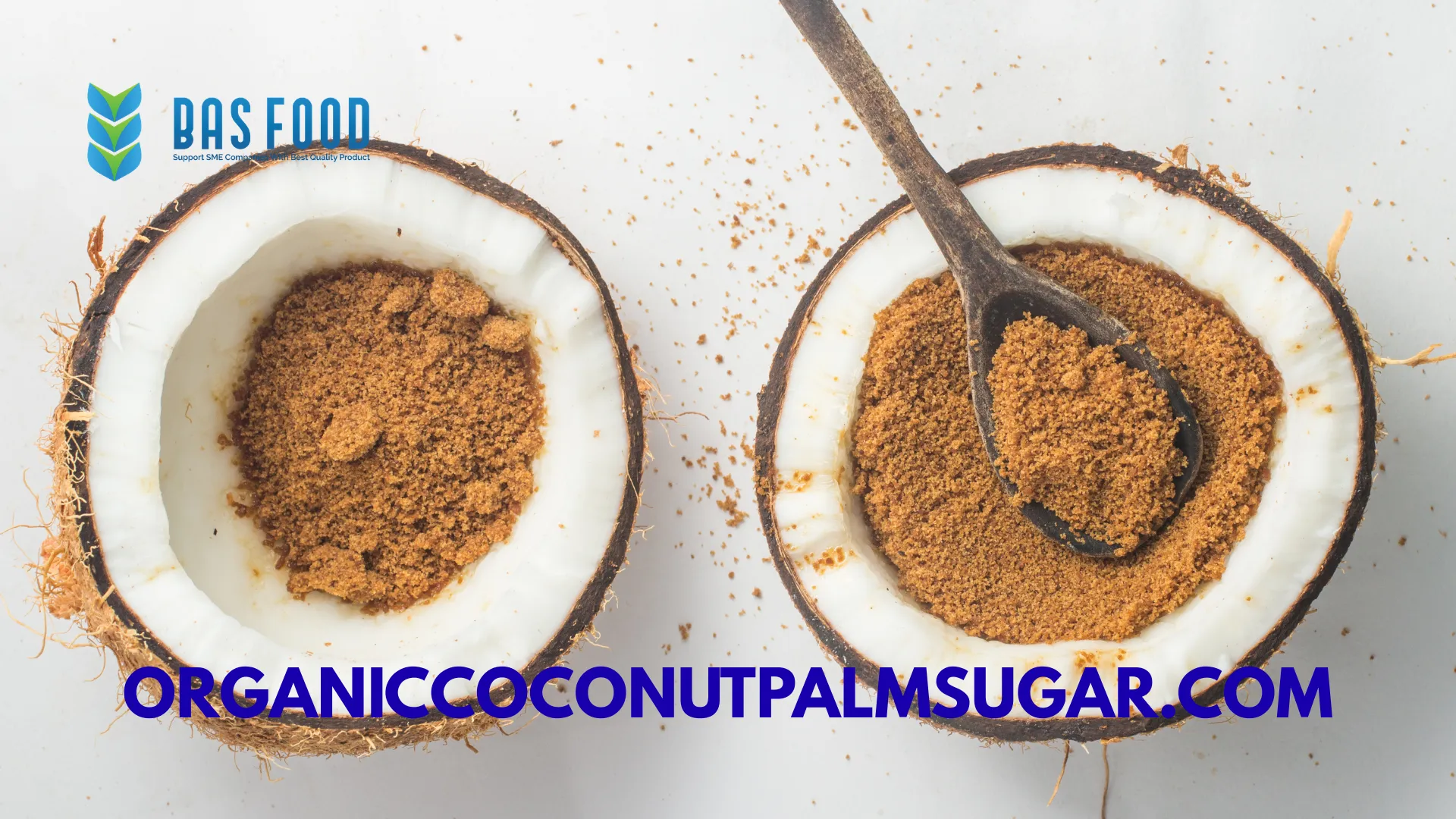
Understanding the Bulk Coconut Sugar Market
The global demand for natural sweeteners continues to grow. As a result, more producers now offer certified organic coconut sugar to export markets.
However, supply structures differ across regions. Some countries rely on smallholder farmers, while others operate centralized processing facilities. Therefore, buyers should examine how raw sap collection, crystallization, and drying processes affect batch consistency.
In addition, market prices fluctuate based on harvest cycles and export demand. Buyers who understand these cycles can negotiate more effectively and avoid seasonal shortages.
Why Companies Buy Organic Coconut Sugar Bulk
Large manufacturers purchase in bulk to secure consistent input for food production. Moreover, bulk contracts reduce per-unit costs and simplify inventory planning.
At the same time, bulk buying increases exposure to risk. A single quality issue can affect large production runs. Therefore, companies must evaluate suppliers beyond pricing metrics.
When businesses buy organic coconut sugar bulk, they should align procurement decisions with long-term product strategy and compliance goals.
Evaluating Product Specifications and Quality Control
Clear specifications prevent disputes. Buyers should request documentation covering moisture level, mesh size, color range, and microbiological limits.
Furthermore, independent lab testing strengthens quality assurance. Reliable exporters maintain internal quality control systems and third-party verification procedures.
For example, exporters experienced in regulated industries such as seafood often apply strict traceability protocols. Companies handling tuna species under international seafood export regulations follow detailed batch tracking. This discipline often translates into structured documentation practices across other product categories.
Reviewing Organic Certification and Regulatory Compliance
Organic certification must come from recognized bodies. Importers should verify certificate validity and confirm scope coverage for both farm and processing facilities.
In addition, each destination market has its own import requirements. The United States, European Union, and Middle East maintain different documentation standards. Therefore, regulatory alignment should be confirmed before shipment.
Buyers who plan to buy organic coconut sugar bulk must also confirm labeling compliance, allergen statements, and food safety documentation such as HACCP plans.
Assessing Farming Methods and Origin Factors
Climate and farming systems directly affect raw material quality. Tropical regions with stable rainfall patterns often provide more consistent sap production.
Many coconut farmers use low-input cultivation methods. Consequently, organic certification can align naturally with traditional farming practices.
However, buyers should still conduct origin due diligence. Site visits, supplier audits, or third-party inspections help verify agricultural practices and ethical sourcing standards.
Export Documentation and Trade Compliance
Accurate documentation ensures smooth customs clearance. Standard export paperwork includes commercial invoices, packing lists, certificates of origin, and organic certificates.
Moreover, importers may require phytosanitary certificates or food safety declarations. Missing documents can cause costly delays at port.
Experienced exporters apply structured compliance systems across product lines. For instance, companies exporting bluefin tuna and other regulated fishery products operate under strict international trade compliance rules. That same documentation discipline benefits bulk coconut sugar shipments.
For more detail on documentation flow and container preparation, buyers should review the exporter’s export logistics process page.
Shipping, Storage, and Logistics Planning
Although coconut sugar does not require cold chain logistics, it still demands moisture control. Therefore, exporters should use food-grade inner liners and sealed packaging.
Container loading practices also matter. Pallet arrangement, desiccant use, and fumigation compliance reduce contamination risk.
In contrast to frozen seafood shipments that rely on temperature monitoring, dry goods shipments focus on humidity management. Nevertheless, both require precise scheduling and coordination with freight forwarders.
Importers planning to buy organic coconut sugar bulk should confirm transit times, port handling capacity, and insurance coverage.
Payment Terms and Contract Structure
Clear payment terms protect both parties. Letters of credit, partial advance payments, or open account terms each carry different risk levels.
Furthermore, contract clauses should define quality tolerances, inspection rights, and dispute resolution mechanisms. These clauses reduce ambiguity in case of shipment discrepancies.
Long-term contracts often provide price stability. However, buyers should include flexibility clauses to address global commodity fluctuations.
Identifying Supply Chain Risks
Weather events, labor shortages, and regulatory changes can disrupt supply. Therefore, risk assessment should form part of procurement planning.
Diversifying sourcing regions may reduce dependency. At the same time, working with exporters who manage multiple product categories can strengthen operational resilience.
CV Bonafide Anugerah Sentosa, based in Indonesia, operates across coconut-based products, spices, cocoa products, and regulated fishery exports such as bluefin tuna. This diversified portfolio supports structured compliance systems and stable export operations for global buyers.
Best Practices Before Finalizing a Bulk Order
First, request recent lab test results and organic certificates. Then, review packaging samples and confirm labeling accuracy.
Next, evaluate the supplier’s export track record. Ask about past shipments, destination markets, and documentation procedures.
Finally, establish clear communication channels before production begins. Transparent coordination reduces misunderstandings and supports long-term partnerships.
If further clarification is required, buyers should use the exporter’s contact page to initiate direct technical discussions.
Building a Long-Term Sourcing Strategy
Bulk importing should align with strategic planning, not short-term pricing opportunities. Consistent quality, compliance accuracy, and reliable logistics define sustainable partnerships.
When companies buy organic coconut sugar bulk with structured due diligence, they protect production continuity and brand reputation. Careful evaluation today prevents costly disruptions tomorrow.
Frequently Asked Questions
1. What documents are required when importing organic coconut sugar in bulk?
Common documents include a commercial invoice, packing list, certificate of origin, organic certificate, and food safety documentation such as HACCP.
2. Does coconut sugar require cold chain shipping?
No. However, it requires moisture control, proper packaging, and container humidity management.
3. How can buyers verify organic certification authenticity?
Buyers should request a copy of the certificate and verify it directly with the issuing certification body.
4. What quality parameters should bulk buyers check?
Moisture content, mesh size, color consistency, microbiological limits, and absence of contaminants are key parameters.
5. How can importers reduce risk when sourcing in bulk?
They can conduct supplier audits, request third-party testing, diversify sourcing, and use clear contract terms.
Contact CV Bonafide Anugerah Sentosa how we can provide the best solutions for you. WhatsApp: +62 8213 4505 737, Email: info@bonafideanugerahsentosa.com / bas.mdir@gmail.com.