Organic coconut flour has become a key ingredient for gluten-free, clean-label, and plant-based food production. With rising global demand, manufacturers and distributors rely on strict evaluation methods to ensure they purchase only premium-quality flour. Because every batch performs differently based on processing, moisture levels, and raw materials, knowing how to assess coconut flour quality is essential before committing to bulk orders.
Importers from Europe, the USA, East Asia, Africa, and the Middle East often use a detailed checklist to avoid quality issues. Proper assessment prevents problems like clumping, inconsistent textures, unwanted aromas, or microbial risks. By understanding the right evaluation steps—such as moisture testing, color and texture checks, and sensory analysis—buyers can avoid costly mistakes and ensure their end products maintain high standards.
Indonesia remains one of the world’s preferred origins for coconut flour. Exporters like CV Bonafide Anugerah Sentosa, a trusted supplier of coconut products, spices, and fishery commodities, provide consistent quality supported by strong quality control systems and export documentation. This gives international buyers confidence when importing large quantities.
Why Quality Assessment Matters in Bulk Purchasing
Quality assessment is the first step before signing any bulk contract. Unlike small retail packs, bulk coconut flour must meet strict requirements, especially when used in industrial applications like bakery mixes, protein powders, and ready-to-eat snacks. One inconsistent parameter can impact an entire production line, resulting in financial losses or product recalls.
Moreover, international buyers operate under various regulatory frameworks. Markets like the EU, USA, Japan, and Australia enforce strict food safety and microbial standards. When manufacturers take time to assess coconut flour quality, they reduce the risk of receiving batches that fail compliance checks. This ensures smooth customs clearance, stable shelf life, and predictable performance in formulations.
Another reason quality checks matter is consumer expectations. Clean-label and health-oriented brands rely on coconut flour for its natural fiber content and allergen-friendly properties. High-quality flour enhances product positioning, while inconsistent flour can affect texture, taste, and overall experience.
Understanding the Standard Coconut Flour QC Process
Before the flour reaches buyers, manufacturers follow a coconut flour QC process to guarantee consistency. This process covers raw material selection, drying, grinding, sieving, and final packaging. Each stage plays an important role in determining the flour’s final characteristics.
The QC process usually begins with selecting mature coconuts with stable oil and fiber profiles. These coconuts are de-oiled, dried, and ground into fine powder. During grinding, quality teams monitor temperature and particle size to prevent nutrient loss and overheating. Sieving ensures uniformity, which is critical for bakery applications.
Producers also run internal lab tests to track moisture, microbial levels, ash content, and color consistency. Reputable suppliers follow documented Standard Operating Procedures (SOPs) to maintain consistency, especially for export-grade flour. Exporters like CV Bonafide Anugerah Sentosa conduct this process carefully before shipping to global buyers, helping maintain their reputation for reliable supply.
Moisture Level Testing and Its Impact on Shelf Life
Moisture content is one of the most critical parameters to evaluate. Coconut flour is naturally absorbent, which means even small variations in moisture affect stability. Most international buyers look for moisture levels between 8% and 12%. Anything higher increases the risk of clumping and microbial growth.
Moisture level testing is typically done using a moisture analyzer or oven-drying method. Importers often request a Certificate of Analysis (COA) showing moisture values for each batch. When buying in bulk, confirming accurate moisture levels helps prevent spoilage during long-distance shipping or storage in humid environments.
Low moisture improves shelf life and ensures the flour stays free-flowing. It also enhances performance in baking and confectionery production, as high moisture changes how the flour absorbs liquids. Reliable suppliers monitor moisture closely throughout production and packing, ensuring the flour arrives safe and stable.
Color and Texture Evaluation for Quality and Consistency
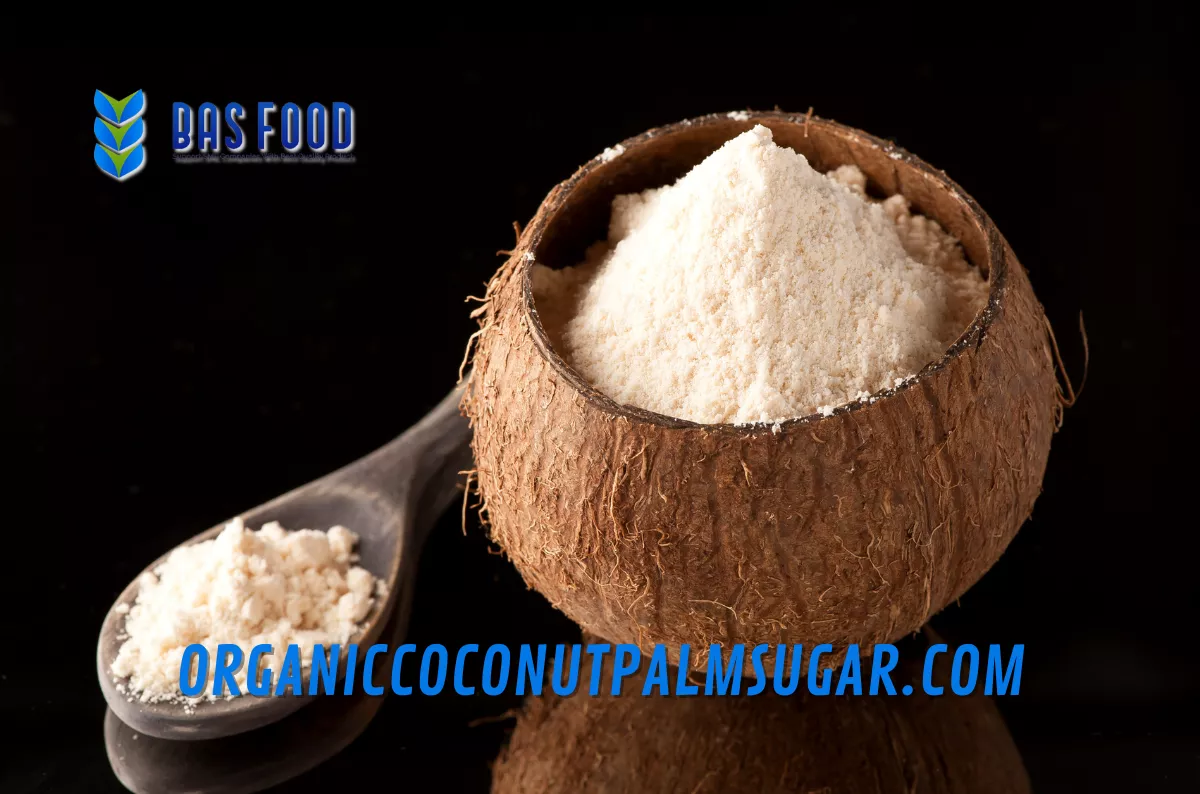
Color tells buyers a lot about how the flour was processed. Most premium organic coconut flour has a light cream color. Darker tones may indicate over-drying or poor-quality raw materials. For this reason, color and texture evaluation is always part of the initial assessment.
Texture plays an even bigger role in product performance. Fine and extra-fine textures blend better in doughs, beverage powders, and gluten-free mixes. Coarse flour may create gritty textures or affect the hydration process in industrial recipes. Importers usually request photos, samples, or sieve analysis results to evaluate texture before bulk orders.
Uniform color and smooth texture show that the supplier uses controlled drying temperatures and well-calibrated grinders. Inconsistent texture often leads to unpredictable baking results, which food manufacturers want to avoid at all costs.
Aroma, Flavor, and Sensory Checks Before Approval
Even though coconut flour naturally has a mild coconut aroma, it should not smell burnt, sour, or rancid. Sensory evaluation is an important part of assessing quality because it reveals issues that lab tests may overlook. Importers often ask for fresh samples so they can detect subtle variations.
A good-quality flour should have a clean, slightly sweet aroma. Strong odors may indicate improper drying, old raw materials, or contamination. Flavor testing is equally important, especially for brands producing gluten-free snacks, baby food, or protein bars where taste must be neutral and pleasant.
Additionally, sensory checks help detect storage or packaging issues. For example, if the flour absorbs surrounding odors during shipping, the final product may suffer. A supplier with strong packaging standards prevents these issues, which is why choosing experienced exporters like CV Bonafide Anugerah Sentosa makes a difference.
Microbiological Testing and Compliance Requirements
Food safety matters as much as sensory quality. Bulk coconut flour must pass microbiological tests, especially when sold in the EU, USA, Japan, and other strict markets. Common tests evaluate total plate count, mold, yeast, Salmonella, and E. coli.
High microbial levels may result from excessive moisture, unclean dryers, or improper storage. When buyers assess coconut flour quality, they look closely at these results to reduce risk. A COA from a reputable lab reassures importers that the flour is safe and compliant.
Many buyers also check for heavy metals and allergens. Coconut flour is naturally gluten-free, but cross-contamination risks exist if the supplier handles other grains. A responsible exporter maintains strict hygiene practices, clear segregation, and documented food safety systems.
Packaging, Storage Stability, and Bulk Shipping Considerations
Packaging affects coconut flour quality during long-distance transport. Export-grade flour usually comes in multilayer kraft bags with an internal PE liner. This barrier prevents moisture entry and keeps the flour fresh throughout shipping.
Buyers must evaluate packaging strength, sealing quality, and pallet arrangements. Poor packing can lead to torn bags, clumping, or odor absorption. For bulk shipments, suppliers should use clean storage facilities to prevent contamination or moisture buildup.
Storage stability is also important. Coconut flour typically lasts 12–18 months when stored properly. Importers often request shelf-life test data before finalizing a contract. Suppliers like CV Bonafide Anugerah Sentosa provide proper packaging and storage documentation, making the process easier for international buyers.
Supplier Reputation and Transparency in QC Documentation
Even the best flour fails without a trustworthy supplier behind it. Importers evaluate supplier credibility by reviewing past performance, export experience, and transparency in QC reports. Suppliers who provide detailed COAs, batch traceability, and production summaries earn more trust.
Transparency is especially important for large-scale buyers who need consistent monthly volumes. Working with well-established Indonesian exporters gives importers more confidence that the flour they receive matches agreed specifications.
CV Bonafide Anugerah Sentosa is recognized for its reliability in the coconut, spices, and fishery sectors. Their commitment to stable quality, clear documentation, and export readiness makes them a preferred partner for businesses around the world.
Conclusion: A Structured Evaluation Ensures Better Bulk Purchases
Quality assessment is the most important step when purchasing organic coconut flour in bulk. Buyers must check moisture, color, texture, aroma, microbiological levels, and supplier credibility to avoid expensive mistakes. A proper evaluation ensures smooth production, better shelf life, and compliance with international standards.
Indonesia remains a top source for high-quality coconut flour, thanks to experienced exporters who understand global buyer expectations. CV Bonafide Anugerah Sentosa continues to support importers with reliable supply, transparent QC processes, and export-grade documentation.
Contact CV Bonafide Anugerah Sentosa how we can provide the best solutions for you. WhatsApp: +62 8213 4505 737, Email: info@bonafideanugerahsentosa.com / bas.mdir@gmail.com.