As demand for natural sweeteners continues to grow worldwide, coconut sugar has become one of the most sought-after ingredients in the food and beverage industry. Health-conscious consumers, premium food brands, bakeries, beverage manufacturers, and ingredient distributors all appreciate its rich caramel flavor and natural production process. Yet many buyers still ask one important question: What is the true coconut sugar origin?
Understanding the coconut sugar origin is valuable for more than satisfying curiosity. For importers, wholesalers, and food manufacturers, knowing where coconut sugar comes from helps evaluate product quality, sustainability, supply reliability, and sourcing practices. It also allows businesses to choose experienced suppliers that understand international quality standards.
Unlike refined sugar, coconut sugar has deep agricultural roots that connect directly to tropical farming communities. It begins with coconut blossom sap, collected by skilled farmers using traditional techniques that have been passed down through generations. Today, these time-tested methods are combined with modern food safety systems to produce export-quality coconut sugar for customers around the world.
This guide explores the complete story behind the coconut sugar origin, including its history, production process, connection with coconut farming, and why countries like Indonesia have become leading suppliers in the global market.
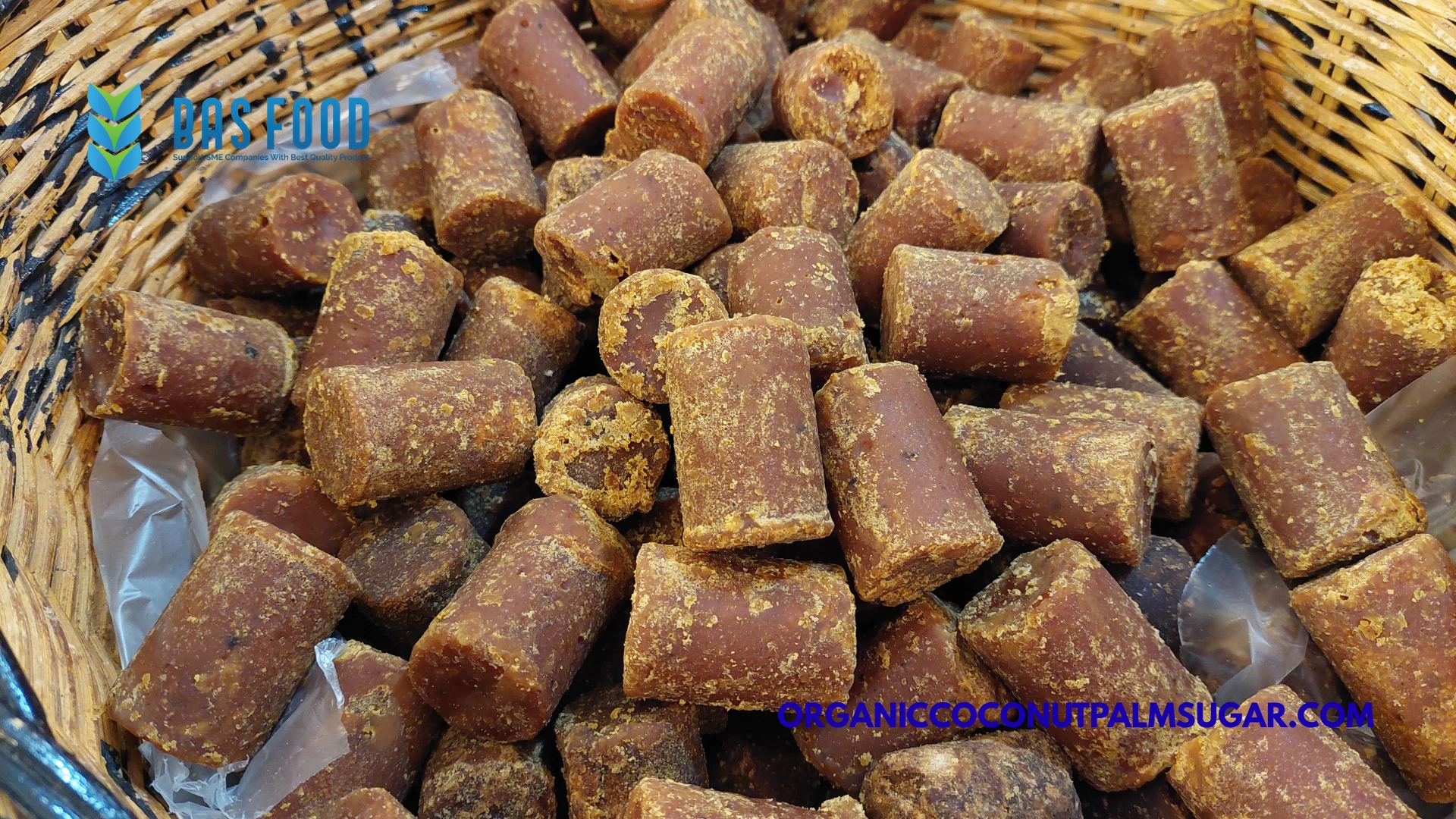
What Is the True Coconut Sugar Origin?
To understand the coconut sugar origin, it is important to know that the product does not come from the coconut fruit itself.
Instead, coconut sugar is made from the sweet sap collected from the unopened flower blossoms of the coconut palm tree. This natural liquid, known as coconut blossom sap, is rich in natural sugars and serves as the starting point for coconut sugar production.
Farmers carefully tap the flower stalks before they bloom. They make small cuts and place clean containers beneath the blossoms to collect the dripping sap. Because fresh sap begins to ferment naturally after harvesting, it must be processed quickly to preserve its quality and sweetness.
After collection, the sap is filtered and gently heated over controlled temperatures. As water evaporates, the liquid thickens into a syrup before naturally crystallizing into coconut sugar. This relatively simple process preserves the product’s distinctive caramel flavor and attractive golden-brown color.
When people ask where coconut sugar comes from, the answer is simple: it comes directly from the blossoms of coconut palm trees, not from coconuts themselves.
The History of Coconut Sugar Production
The history of coconut sugar stretches back hundreds of years across tropical regions of Southeast Asia.
Long before modern food factories existed, farming communities discovered that the sap from coconut blossoms could be transformed into a naturally sweet product. Families collected the sap daily and slowly cooked it over wood-fired stoves until it thickened into syrup or crystallized into sugar.
These traditional methods became part of local culinary culture. Coconut sugar was widely used in desserts, beverages, sauces, traditional snacks, and daily cooking.
Over time, international demand for natural sweeteners increased. As export opportunities grew, producers began combining traditional craftsmanship with improved hygiene, moisture control, and food safety systems.
Today, although production technology has advanced significantly, the basic principles behind the coconut sugar origin remain remarkably similar to those practiced generations ago.
The Role of Coconut Blossom Sap in Coconut Sugar Production
One of the most important elements of coconut sugar explained is understanding the importance of coconut blossom sap.
This naturally sweet liquid determines many of the product’s final characteristics, including flavor, aroma, color, and sweetness.
Healthy coconut trees produce fresh sap every day during harvesting seasons. Experienced farmers know exactly when and how to collect it while protecting the long-term health of the trees.
Fresh sap is extremely delicate. If processing is delayed, natural fermentation begins quickly. For this reason, professional producers transport the sap immediately to nearby processing facilities where filtration and cooking begin soon after collection.
The quality of the raw sap directly affects the consistency of the finished coconut sugar. That is why reputable exporters pay close attention to harvesting practices and farmer training.
Coconut Farming: The Foundation of High-Quality Coconut Sugar
Behind every bag of coconut sugar is a network of dedicated farmers who care for coconut plantations throughout the year.
Coconut farming plays a central role in maintaining a reliable supply of high-quality raw materials for export markets.
Healthy coconut trees require proper maintenance, including regular pruning, pest management, and soil care. Farmers monitor tree health continuously because strong, productive trees yield higher-quality sap.
Unlike harvesting coconuts, collecting blossom sap requires specialized skills. Farmers must carefully tap the flower stalks without damaging future growth.
This combination of agricultural knowledge and harvesting expertise contributes directly to product quality.
Many exporters work closely with farming communities by providing technical support, quality training, and sustainable agricultural practices that improve both productivity and consistency.
Why Indonesia Is Closely Connected to Coconut Sugar Origin
When discussing the coconut sugar origin, Indonesia deserves special attention.
Indonesia has one of the world’s largest coconut-growing regions, supported by millions of coconut trees spread across numerous islands. This abundant natural resource provides an excellent foundation for large-scale coconut sugar production.
Many rural communities have practiced coconut sap harvesting for generations, creating deep expertise in traditional production methods.
Today, Indonesian manufacturers combine this agricultural heritage with modern processing equipment, laboratory testing, hygienic production systems, and international food safety standards.
As a result, Indonesia has become one of the leading suppliers of export-quality coconut sugar for customers across Europe, North America, the Middle East, Asia, and other global markets.
Its strong agricultural base, experienced workforce, and established export infrastructure make Indonesia a preferred sourcing destination for many international buyers.
From Coconut Tree to Finished Coconut Sugar
Understanding the complete production journey helps buyers appreciate the value behind every shipment of coconut sugar.
Harvesting Fresh Sap
The process begins with daily collection of fresh coconut blossom sap from mature coconut trees.
Farmers carefully collect the sap using clean containers while maintaining strict hygiene throughout harvesting.
Filtering the Sap
Once collected, the sap is filtered to remove natural particles before cooking begins.
This step helps produce cleaner, higher-quality sugar.
Gentle Cooking
The filtered sap is heated slowly to evaporate water.
As the liquid becomes more concentrated, its natural sugars develop the familiar caramel aroma and brown color.
Crystallization
When sufficient moisture has evaporated, the syrup begins forming crystals.
The sugar is stirred continuously until the desired texture develops.
Drying and Packaging
Finally, the product is cooled, dried to appropriate moisture levels, and packaged using moisture-resistant materials suitable for domestic and export markets.
How Coconut Sugar Supports Sustainable Agriculture
Another reason the coconut sugar origin attracts global attention is its connection to sustainable agricultural practices.
Because coconut sugar comes from blossom sap rather than harvested fruit, the trees remain productive over many years.
Farmers can continue collecting sap while maintaining healthy plantations, supporting long-term agricultural productivity.
In many producing regions, coconut farming also provides stable income opportunities for rural communities.
Responsible exporters often work with farmer groups to improve harvesting methods, strengthen quality control, and encourage environmentally responsible farming practices.
These partnerships help ensure consistent product quality while supporting local livelihoods.
Why Understanding Coconut Sugar Origin Matters for Importers
For professional buyers, knowing where coconut sugar comes from is more than an interesting fact.
It helps evaluate supplier reliability, production quality, traceability, and long-term supply security.
Importers should ask suppliers about their sourcing regions, relationships with farming communities, quality control systems, and processing methods.
Understanding the complete supply chain provides greater confidence in product consistency and export readiness.
Reliable exporters are transparent about their production practices and can explain how their coconut sugar moves from the farm to international markets.
This transparency helps build lasting business relationships based on trust and consistent performance.
Choosing the Right Coconut Sugar Supplier
Finding the right supplier is one of the most important decisions for food manufacturers and distributors.
A dependable exporter offers much more than competitive pricing. They provide consistent quality, reliable documentation, flexible packaging, and responsive customer service.
Look for suppliers that maintain close relationships with coconut farmers, implement modern food safety systems, and perform regular quality inspections throughout production.
Professional exporters should also provide clear product specifications, laboratory testing when required, and customized packaging options for different international markets.
Working with experienced suppliers helps ensure that every shipment reflects the high standards expected by today’s global food industry.
Conclusion
The coconut sugar origin begins with the simple yet remarkable process of collecting coconut blossom sap from healthy coconut palm trees. From traditional farming communities to modern export facilities, every step contributes to producing the natural sweetener enjoyed by consumers around the world.
Understanding where coconut sugar comes from helps importers appreciate the importance of responsible coconut farming, skilled harvesting, careful processing, and strong quality control. These elements work together to create a product that meets the needs of food manufacturers, retailers, and distributors across international markets.
For businesses seeking a dependable natural coconut sweetener, partnering with an experienced exporter is essential. Reliable suppliers combine agricultural expertise, modern manufacturing practices, and consistent export quality to deliver coconut sugar that supports long-term business success.