The global food industry is experiencing a major shift toward natural ingredients and minimally processed sweeteners. Consumers are increasingly looking for products made from recognizable ingredients, while food manufacturers are seeking alternatives to highly refined sugars. As a result, traditional sweeteners from tropical regions are finding new opportunities in international markets. One product attracting growing interest is coconut treacle. This rich, golden-brown syrup is made from coconut blossom sap and has been used for generations in many coconut-producing countries. Today, coconut treacle is becoming a valuable ingredient in food manufacturing, bakery products, beverages, sauces, and specialty foods around the world.
As demand grows, understanding coconut treacle production has become important for importers, distributors, and food manufacturers. Buyers want to know how the product is made, what affects quality, and why certain origins are preferred in the global market.
This guide explores every stage of production, from coconut sap collection to final packaging, while highlighting the importance of quality control, sustainability, and export standards.
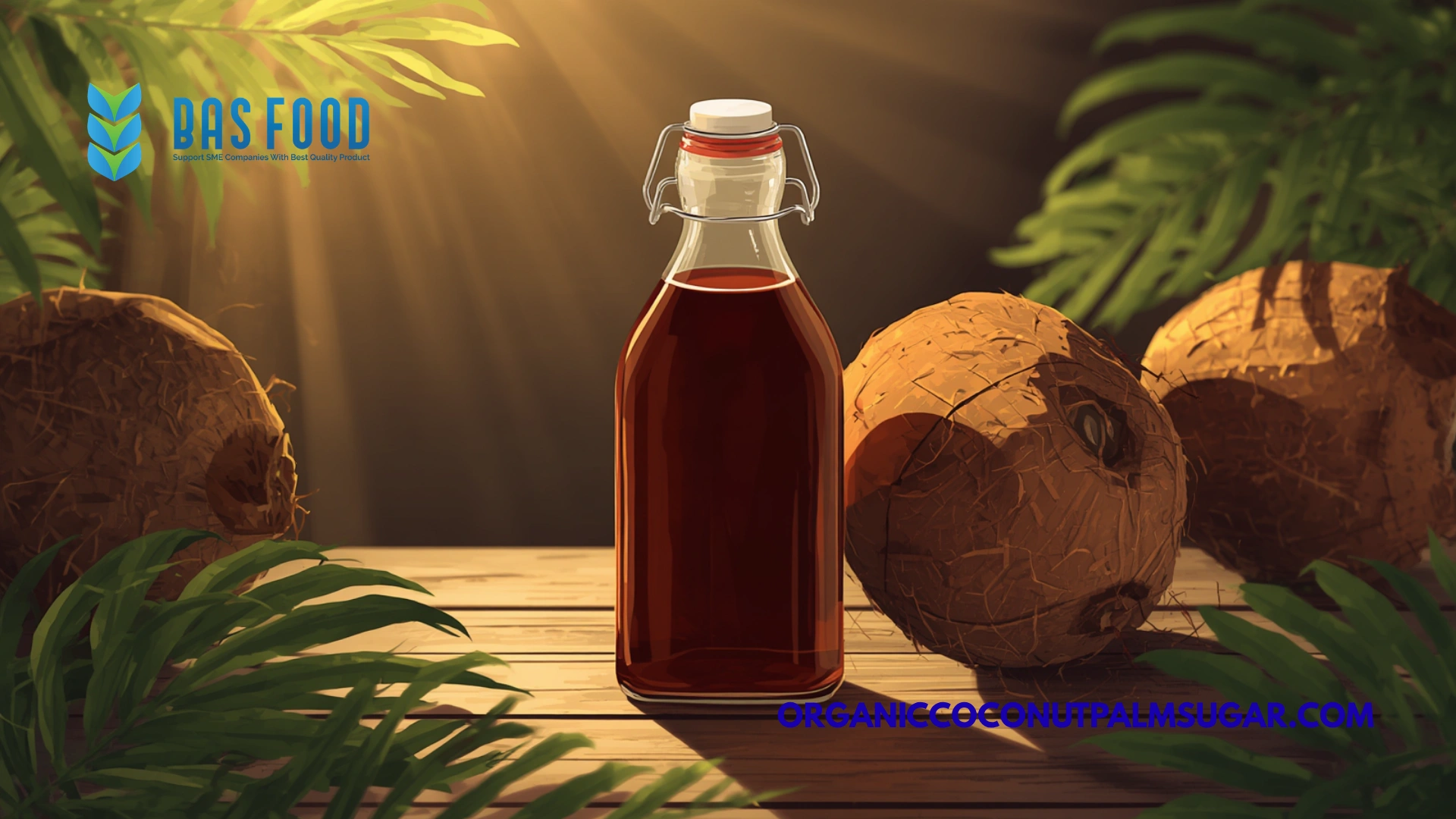
What Is Coconut Treacle?
Coconut treacle is a natural syrup produced from the sap collected from coconut flower blossoms. Before coconuts develop into mature fruits, the flower stalks produce a naturally sweet liquid sap that can be harvested by skilled farmers.
The collected sap undergoes a careful heating process that gradually evaporates water content. As the liquid becomes more concentrated, it develops a thick texture, deep color, and rich flavor profile that characterize coconut treacle.
Unlike refined sweeteners that often require extensive industrial processing, coconut treacle is produced through relatively simple methods. This minimal processing approach helps preserve the natural characteristics of the coconut sap while creating a versatile sweetener suitable for many applications.
Today, coconut treacle is used by food manufacturers, bakeries, restaurants, beverage companies, and health-focused brands seeking natural ingredient alternatives.
The Journey Begins: Harvesting Coconut Blossom Sap
The foundation of successful coconut treacle production starts with harvesting high-quality coconut sap.
Farmers carefully select healthy coconut trees that are capable of producing consistent sap yields. The harvesting process requires experience because the flower blossoms must be tapped correctly to encourage sap flow without damaging the tree.
Each day, farmers collect fresh sap from the flower stalks. Timing is extremely important because coconut sap is highly perishable. Once harvested, natural fermentation can begin quickly if the sap is not handled properly.
To maintain quality, producers transport fresh sap to processing facilities as soon as possible. The fresher the sap, the better the final coconut treacle quality.
This early stage plays a major role in determining flavor, color, consistency, and shelf life.
Understanding Coconut Sap Processing
One of the most critical stages of production is coconut sap processing.
After collection, the sap undergoes filtration to remove natural particles and impurities. This step helps ensure a cleaner final product while maintaining the sap’s natural composition.
The filtered sap is then transferred to cooking vessels where controlled heating begins. Producers carefully monitor temperature and processing time to achieve the desired concentration without negatively affecting flavor.
Unlike aggressive industrial refining processes, coconut sap processing relies on gradual evaporation. This allows water content to decrease naturally while the sugars become concentrated.
As the liquid thickens, it develops the characteristic texture and appearance associated with premium coconut treacle.
Maintaining consistency during this stage requires skill and attention to detail, particularly when producing large export volumes.
The Science Behind Coconut Syrup Manufacturing
Although coconut treacle production has traditional roots, modern facilities often combine traditional knowledge with advanced manufacturing systems.
The process of coconut syrup manufacturing involves controlling several important variables simultaneously.
Temperature Control
Temperature management directly influences product quality.
Excessive heat can darken the syrup and alter its flavor profile. On the other hand, insufficient heating may prevent proper concentration.
Modern facilities use controlled heating systems to maintain consistent results.
Moisture Reduction
Reducing moisture content is essential for creating the proper syrup consistency.
The evaporation process concentrates natural sugars while helping improve product stability and shelf life.
Consistency Monitoring
Manufacturers continuously evaluate texture, viscosity, and color throughout production.
These quality checks help ensure every batch meets customer specifications.
By combining traditional expertise with modern quality controls, producers can achieve reliable and repeatable results suitable for international markets.
Key Factors That Influence Coconut Treacle Quality
Not all coconut treacle is the same. Several factors affect the final product.
Quality of Raw Sap
Everything begins with fresh coconut sap.
Healthy trees, proper harvesting techniques, and rapid processing all contribute to better product quality.
Processing Methods
Careful coconut sap processing helps preserve flavor and consistency.
Poor handling practices may lead to unwanted fermentation or inconsistent results.
Production Equipment
Modern equipment allows manufacturers to maintain better process control and product consistency.
Storage Conditions
Proper storage protects product quality after manufacturing.
Temperature, humidity, and packaging all influence shelf life and long-term stability.
For exporters, maintaining quality at every stage is essential for meeting international buyer expectations.
Why Coconut Treacle Is Popular in Food Manufacturing
Food manufacturers value coconut treacle because of its versatility.
Its rich flavor profile provides a unique sweetness that works well across many product categories.
Bakery Applications
Coconut treacle is commonly used in:
- Cookies
- Cakes
- Muffins
- Pastries
- Dessert products
Its natural caramel-like notes enhance flavor complexity.
Beverage Production
Manufacturers incorporate coconut treacle into:
- Coffee beverages
- Tea products
- Smoothies
- Functional drinks
- Specialty beverages
Its liquid form allows easy integration into formulations.
Sauces and Condiments
The thick texture makes coconut treacle suitable for:
- Marinades
- Sauces
- Dressings
- Specialty condiments
- Plant-Based Foods
As plant-based products continue growing in popularity, coconut treacle offers a naturally sourced ingredient option for innovative product development.
Sustainability in Coconut Treacle Production
Sustainability has become increasingly important throughout global supply chains.
Fortunately, coconut treacle production supports several environmentally responsible practices.
Coconut trees can remain productive for many decades while continuously producing flowers and fruit.
Farmers harvest sap without cutting down trees or disrupting long-term productivity. This creates a renewable production system that supports sustainable agriculture.
In addition, coconut-based industries provide important income opportunities for rural farming communities.
Many buyers now consider sustainability an important factor when selecting suppliers and ingredients.
By sourcing responsibly produced coconut treacle, businesses can strengthen both their supply chains and sustainability initiatives.
Export Standards and International Market Requirements
Global buyers require products that meet strict quality and safety standards.
For this reason, export-oriented manufacturers implement quality assurance systems throughout coconut syrup manufacturing operations.
These systems often include:
- Raw material inspections
- Production monitoring
- Food safety programs
- Laboratory testing
- Traceability procedures
- Packaging controls
Compliance with international requirements helps ensure products arrive safely and consistently in destination markets.
Reliable exporters understand the documentation, labeling, and shipping requirements necessary for successful international trade.
This expertise helps reduce risks for importers and distributors.
Why Indonesia Is a Leading Source of Coconut Treacle
Indonesia is one of the world’s largest coconut-producing countries.
Its tropical climate provides ideal conditions for year-round coconut cultivation, creating a reliable supply of raw materials for coconut treacle production.
Millions of coconut trees grow throughout the Indonesian archipelago, supporting a strong network of farmers, processors, and exporters.
Indonesian producers combine generations of traditional harvesting knowledge with modern manufacturing technologies to produce high-quality coconut sweeteners for international markets.
In addition, Indonesia offers competitive production costs, export expertise, and well-developed logistics infrastructure.
These advantages have helped position Indonesia as a preferred sourcing destination for coconut-based products.
Partner with a Trusted Indonesian Coconut Treacle Exporter
For global buyers seeking premium coconut treacle, choosing the right supplier is essential.
CV Bonafide Anugerah Sentosa is a trusted Indonesian exporter supplying high-quality coconut treacle and other coconut-derived products to international markets. The company works closely with farmers and processing facilities to ensure product consistency, reliable supply, and export-ready quality.
In addition to coconut treacle, CV Bonafide Anugerah Sentosa supplies coconut nectar, coconut sugar, organic coconut sugar, virgin coconut oil, coconut milk products, coffee, spices, and fishery products.
With strong sourcing networks and extensive export experience, the company helps global buyers access premium Indonesian products that meet international standards.
Conclusion
As global demand for natural sweeteners continues to expand, coconut treacle is emerging as a valuable ingredient across food, beverage, bakery, and specialty food industries.
Understanding coconut treacle production provides buyers with valuable insights into product quality, consistency, and sourcing considerations. From responsible harvesting practices and effective coconut sap processing to modern coconut syrup manufacturing techniques, every stage contributes to the final product’s success.
For importers, distributors, and manufacturers seeking reliable supply and premium quality, Indonesia remains one of the world’s most attractive sourcing destinations for coconut treacle and other coconut-based sweeteners.