Organic coconut sugar has moved from a traditional sweetener to a global favorite. Food manufacturers, health brands, and ingredient buyers now look beyond sweetness. They want nutritional value, functionality, and clean-label appeal. This shift has made organic coconut sugar nutrition a key topic in B2B sourcing decisions. In this guide, we break down the nutritional profile of organic coconut sugar in a clear and practical way. We explain what it contains, how it compares to other sweeteners, and why it matters for your business. If you are an importer, distributor, or product developer, this article will help you understand the real value behind coconut sugar.
What Is Organic Coconut Sugar? A Natural Sweetener with a Story
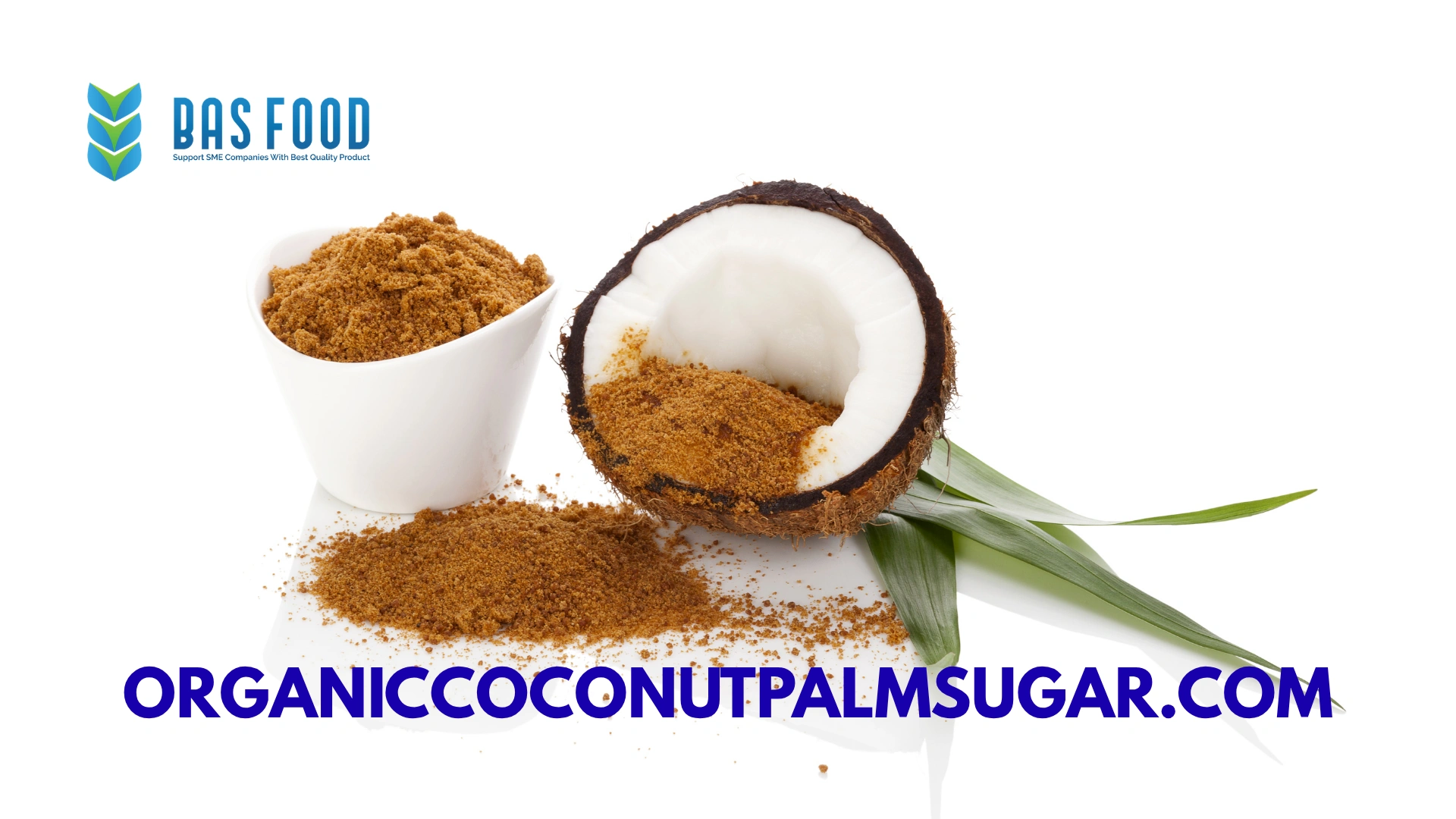
Organic coconut sugar comes from the sap of coconut flower buds. Farmers collect the sap and heat it gently until it thickens and crystallizes. This process retains many natural compounds found in the sap, which gives coconut sugar its unique nutritional profile.
Unlike refined white sugar, coconut sugar does not go through heavy chemical processing. Producers use simple methods such as heating and evaporation. As a result, the final product keeps trace nutrients that refined sugar loses during processing.
This difference is important when discussing organic coconut sugar nutrition. While coconut sugar is still a sugar, it offers more than just empty calories. It contains small amounts of vitamins, minerals, and plant compounds that contribute to its growing popularity in global markets.
Breaking Down Coconut Sugar Nutrients: What’s Inside?
To understand the value of coconut sugar, we need to look at its composition. Coconut sugar mainly consists of sucrose, with small amounts of glucose and fructose. However, what sets it apart is the presence of additional nutrients.
Key coconut sugar nutrients include:
- Potassium
- Magnesium
- Zinc
- Iron
- Calcium
- Small amounts of B vitamins
These nutrients come from the original coconut sap. Although the quantities are not high enough to replace whole foods, they still add value compared to refined sugar, which contains none.
In addition to minerals, coconut sugar contains antioxidants and phytonutrients. These compounds help fight oxidative stress in the body. For food brands, this provides a strong marketing point, especially in health-conscious markets.
Glycemic Index Coconut Sugar: Understanding Its Impact on Blood Sugar
One of the most discussed aspects of coconut sugar is its glycemic index. The glycemic index coconut sugar typically ranges between 35 and 54, depending on the source and testing method.
This value is lower than regular table sugar, which has a glycemic index of around 60 to 65. A lower glycemic index means the body absorbs the sugar more slowly. As a result, it causes a more gradual rise in blood glucose levels.
However, it is important to stay realistic. Coconut sugar is still sugar. It still affects blood glucose and should be consumed in moderation. For B2B buyers, the key takeaway is positioning. Coconut sugar can be marketed as a lower-GI alternative, not a sugar-free product.
Understanding the glycemic index coconut sugar helps brands communicate benefits clearly without making misleading claims.
Comparing Organic Coconut Sugar Nutrition with Other Sweeteners
To fully appreciate coconut sugar, it helps to compare it with other common sweeteners.
Refined White Sugar
Refined sugar provides only calories. It contains no vitamins or minerals. During processing, manufacturers remove all natural compounds. In contrast, organic coconut sugar nutrition includes trace nutrients and antioxidants.
Brown Sugar
Many people believe brown sugar is healthier. In reality, it is often just refined sugar with added molasses. While it contains small mineral amounts, it still lacks the natural profile of coconut sugar.
Honey and Maple Syrup
Both honey and maple syrup contain nutrients and antioxidants. However, they are liquid sweeteners. Coconut sugar offers a dry format, which makes it easier to use in many food applications such as baking, seasoning, and instant mixes.
From a B2B perspective, coconut sugar stands out because it combines:
- A natural origin
- A solid form
- A cleaner label appeal
- A broader application range
Functional Benefits in Food Manufacturing
Beyond nutrition, coconut sugar offers functional advantages in food production. These benefits play a major role in purchasing decisions.
First, coconut sugar has a rich caramel-like flavor. This enhances the taste of baked goods, beverages, and sauces. It allows manufacturers to reduce artificial flavoring.
Second, it dissolves well in both hot and cold applications. This makes it suitable for instant drink powders, syrups, and ready-to-eat products.
Third, its natural brown color adds visual appeal. Many brands use it to create a more “natural” look in their products.
These functional traits, combined with organic coconut sugar nutrition, make it a versatile ingredient across industries.
Organic Certification and Clean Label Advantage
Today’s consumers want transparency. They read labels and prefer products with simple, recognizable ingredients.
Organic coconut sugar meets these expectations. Certified organic products follow strict standards:
- No synthetic pesticides
- No chemical fertilizers
- No artificial additives
This clean production process strengthens the product’s image. It also aligns with global trends in organic and natural foods.
For B2B buyers, organic certification adds value. It allows brands to enter premium markets and meet regulatory requirements in regions like the US and Europe.
The combination of clean labeling and coconut sugar nutrients creates a strong selling point for finished products.
Market Demand and Global Trends
The demand for coconut sugar continues to grow. Health-conscious consumers, vegan communities, and clean-label brands all contribute to this trend.
Markets in North America, Europe, and parts of Asia are actively importing coconut sugar. Food manufacturers use it in:
- Organic snacks
- Plant-based products
- Natural beverages
- Bakery items
The focus on organic coconut sugar nutrition plays a key role in this growth. Buyers want ingredients that offer both function and perceived health benefits.
In addition, sustainability adds another layer of appeal. Coconut trees produce sap for many years, making them a renewable resource. This supports eco-friendly branding and long-term supply stability.
Limitations and Honest Considerations
While coconut sugar has advantages, it is important to present a balanced view.
Coconut sugar still contains calories and carbohydrates. It should not be marketed as a low-calorie sweetener. Overconsumption can lead to the same health concerns as other sugars.
The nutrient content, while beneficial, exists in small amounts. Consumers should not rely on coconut sugar as a primary nutrient source.
For B2B buyers, honesty builds trust. Clear communication about glycemic index coconut sugar and nutrient levels helps avoid misleading claims and strengthens brand credibility.
Choosing the Right Supplier for Quality Assurance
Quality plays a critical role in coconut sugar sourcing. Nutritional value depends on proper processing and handling.
A reliable supplier ensures:
- Fresh sap processing
- Controlled heating methods
- Proper drying and storage
- Consistent granule size and color
Export-grade coconut sugar must also meet international standards for moisture, hygiene, and safety.
CV Bonafide Anugerah Sentosa is a trusted Indonesian supplier of coconut sugar and other agricultural products. The company focuses on quality control, organic certification, and global export standards.
Partnering with an experienced supplier helps maintain the integrity of organic coconut sugar nutrition and ensures consistent product performance.
Why Nutritional Understanding Matters for B2B Buyers
Understanding nutrition is not just about health. It is also about positioning and market strategy.
Buyers who understand coconut sugar nutrients can:
- Create stronger product claims
- Target health-conscious consumers
- Differentiate from competitors
- Build premium product lines
In addition, knowledge of the glycemic index coconut sugar helps brands communicate responsibly and effectively.
This understanding leads to better product development and stronger brand trust in competitive markets.
Conclusion: More Than Sweetness, A Value-Driven Ingredient
Organic coconut sugar offers more than just sweetness. It provides trace nutrients, a lower glycemic index, and a clean-label advantage.
While it is not a miracle ingredient, it delivers a balanced combination of nutrition, functionality, and sustainability. This makes it highly attractive for modern food production.
For B2B buyers, understanding the full picture of organic coconut sugar nutrition is essential. It supports smarter sourcing decisions, better product positioning, and long-term business growth.
As global demand continues to rise, coconut sugar remains a strong candidate for brands that want to combine natural appeal with practical functionality.