The European food market is one of the most regulated and quality-driven markets in the world. Buyers demand not only high-quality products but also full transparency, traceability, and compliance with strict regulations. For exporters, entering this market requires more than just a good product. It requires deep understanding, preparation, and consistency. Coconut flour is gaining strong traction across Europe. It is widely used in gluten-free, plant-based, and clean label products. However, supplying coconut flour to Europe is not a simple process. Exporters must meet strict standards related to food safety, labeling, and sustainability. In this comprehensive guide, we explore how to become a successful coconut flour Europe supplier. We also break down the essential requirements for EU coconut flour import and explain how exporters can meet these expectations with confidence.
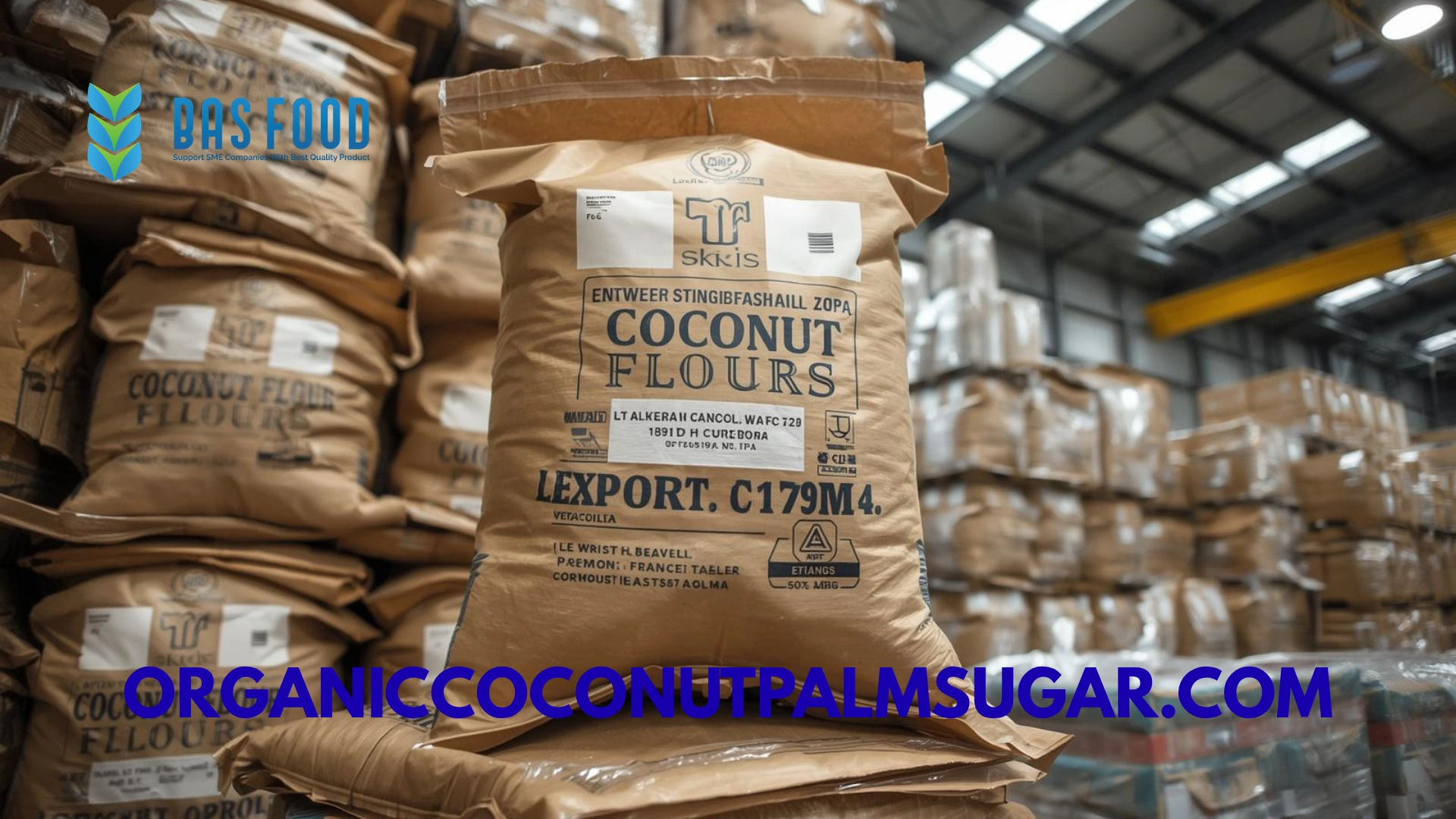
Why Europe Is a High-Value Market for Coconut Flour
Europe is a mature and highly competitive food market. Consumers are well-informed and prioritize health, sustainability, and transparency. This creates strong demand for functional ingredients like coconut flour.
Coconut flour is especially popular in gluten-free and health-focused products. It is widely used in bakery, snacks, and dietary foods. As consumer awareness grows, demand continues to increase across countries such as Germany, the Netherlands, France, and the UK.
In addition, European buyers are willing to pay a premium for quality products. However, this comes with strict expectations. Suppliers must provide consistent quality, proper documentation, and full compliance with regulations.
For exporters, this creates both opportunity and responsibility. Supplying coconut flour Europe markets can be highly profitable, but only if all standards are met.
Understanding EU Food Safety Regulations
Food safety is the top priority in the European Union. All imported food products must comply with strict regulations to ensure consumer protection.
One of the key regulations is the General Food Law, enforced by the European Food Safety Authority. This framework ensures that all food products entering the EU are safe for consumption.
Exporters must comply with hygiene standards outlined in EU regulations. This includes proper handling, processing, and storage of coconut flour. Facilities must follow Good Manufacturing Practices (GMP) and Hazard Analysis and Critical Control Points (HACCP) systems.
In addition, products must be free from contaminants such as pesticides, heavy metals, and microbiological hazards. Regular testing and certification are required to ensure compliance.
Meeting these requirements is essential for successful EU coconut flour import operations.
Maximum Residue Levels and Contaminant Control
The EU has strict limits on pesticide residues in food products. These limits are known as Maximum Residue Levels (MRLs). Coconut flour must comply with these limits to be accepted in the market.
Exporters need to work closely with farmers and processors to ensure that raw materials meet these standards. This often involves controlled farming practices and regular testing.
In addition to pesticides, the EU also monitors contaminants such as aflatoxins and heavy metals. These substances can pose serious health risks if not properly managed.
Laboratory testing is essential before shipment. Certificates of analysis must be provided to buyers as proof of compliance.
By maintaining strict quality control, exporters can build trust and secure long-term partnerships in the coconut flour Europe market.
Certification Requirements for European Buyers
Certifications play a critical role in gaining access to European markets. Buyers often require multiple certifications to ensure product quality and compliance.
One of the most important certifications is HACCP. It demonstrates that the production process is safe and well-controlled. Many buyers also require ISO 22000 or similar food safety management systems.
For organic products, certification under EU organic standards is necessary. This allows exporters to label their products as organic in the European market.
Other important certifications include:
- Halal certification for specific markets
- Kosher certification for niche segments
- BRC or IFS certification for retail supply chains
These certifications not only ensure compliance but also enhance credibility. They are essential for successful EU coconut flour import operations.
Labeling and Packaging Standards in the EU
Labeling is another critical aspect of compliance. The EU has strict rules on how food products must be labeled. These rules ensure that consumers receive clear and accurate information.
Coconut flour packaging must include details such as product name, ingredients, net weight, origin, and expiration date. Nutritional information is also required.
In addition, allergen labeling must be clear and visible. Even though coconut is not classified as a major allergen in all regions, transparency is still important.
Packaging materials must also meet EU standards. They should be safe for food contact and environmentally friendly where possible.
Proper labeling and packaging are essential for entering the coconut flour Europe market and building consumer trust.
Traceability and Documentation Requirements
Traceability is a key requirement in the EU food system. Buyers need to know exactly where the product comes from and how it was processed.
Exporters must maintain detailed records of their supply chain. This includes information about raw materials, processing facilities, and transportation.
Documentation is also critical. Common documents required for EU coconut flour import include:
- Certificate of Origin
- Phytosanitary Certificate
- Certificate of Analysis
- Bill of Lading
- Commercial Invoice
These documents ensure smooth customs clearance and compliance with EU regulations.
Strong traceability systems not only meet regulatory requirements but also improve supply chain transparency.
Logistics and Supply Chain Considerations
Shipping coconut flour to Europe requires careful planning. The product must be protected from moisture, contamination, and temperature changes during transit.
Exporters typically use food-grade packaging such as multi-layer paper bags with inner liners. This helps maintain product quality during long shipping periods.
Container loading must follow best practices to prevent damage. Proper ventilation and moisture control are essential.
Lead time is another important factor. European buyers often require reliable delivery schedules. Delays can affect production and lead to financial losses.
Efficient logistics management is crucial for maintaining competitiveness in the coconut flour Europe market.
Sustainability and Ethical Sourcing Expectations
Sustainability is becoming a major factor in European purchasing decisions. Buyers are looking for suppliers who follow ethical and environmentally friendly practices.
Coconut flour production can support sustainability by utilizing byproducts of coconut processing. This reduces waste and improves resource efficiency.
In addition, fair labor practices and community support are important. Certifications such as Fair Trade can add value and improve market access.
Sustainable sourcing is no longer optional. It is a key requirement for long-term success in EU coconut flour import markets.
Indonesia as a Reliable Coconut Flour Supplier
Indonesia is one of the largest coconut producers in the world. Its natural resources and climate make it an ideal source of coconut flour.
Indonesian coconut flour is known for its quality and consistency. Producers use modern processing techniques while maintaining traditional expertise.
For European buyers, sourcing from Indonesia offers several advantages. These include stable supply, competitive pricing, and high-quality products.
CV Bonafide Anugerah Sentosa is a trusted exporter that supplies coconut flour to international markets. The company meets global standards and supports compliance with EU regulations.
Partnering with reliable suppliers is essential for success in the coconut flour Europe market.
Challenges and How Exporters Can Overcome Them
Exporting to Europe comes with challenges. Regulatory requirements can be complex and time-consuming. However, these challenges can be managed with proper preparation.
One common issue is meeting strict quality standards. Exporters must invest in testing, certification, and quality control systems.
Another challenge is documentation. Missing or incorrect documents can delay shipments. Working with experienced logistics partners can help avoid these issues.
Cost is also a factor. Compliance and certification require investment. However, the long-term benefits often outweigh the costs.
By addressing these challenges, exporters can successfully enter the EU coconut flour import market.
Future Outlook for Coconut Flour in Europe
The future of coconut flour in Europe looks very promising. Demand for gluten-free, plant-based, and clean label products continues to grow.
Consumers are increasingly looking for healthier and more sustainable options. Coconut flour fits perfectly into this trend.
Innovation will also drive growth. Manufacturers are developing new products that use coconut flour as a key ingredient.
As the market expands, suppliers who meet EU standards will have strong opportunities for growth.
Conclusion: Building Success in the European Market
Supplying coconut flour to Europe requires more than just a good product. It requires compliance, consistency, and commitment to quality.
By understanding regulations, obtaining certifications, and maintaining strong supply chains, exporters can succeed in this competitive market.
As demand for coconut flour Europe continues to grow, businesses that focus on compliance and quality will gain a competitive advantage.
With the right strategy and reliable partners like CV Bonafide Anugerah Sentosa, exporters can unlock long-term opportunities in the EU coconut flour import market.