The global demand for gluten-free, nutrient-dense alternatives has catapulted coconut flour from a niche health food to a staple in industrial food manufacturing. For B2B buyers and food processors, understanding the journey from raw coconut meat to a shelf-stable fine powder through coconut flour processing is essential for quality assurance and supply chain transparency.
Coconut flour is unique because it is not technically “flour” in the grain sense. It is a functional byproduct of the coconut milk and oil industry. This guide explores the sophisticated coconut flour processing stages that transform fresh organic coconuts into the high-fiber, low-carb powder used in everything from keto snacks to industrial baking mixes.
Sourcing the Gold: Selecting the Right Raw Materials
The quality of the final powder begins long before the machines start running. For high-grade coconut flour production, processors must start with mature, brown coconuts. Younger green coconuts contain too much water and too little meat, which results in a lower yield and poor protein content.
Professional exporters prioritize “fresh-cracked” sourcing. This means the coconuts are processed within 24 to 48 hours of being harvested. By maintaining a tight window between harvest and processing, manufacturers prevent the natural fats in the coconut meat from becoming rancid. This ensures the flour has a mild, sweet aroma rather than a soapy or sour scent.
De-husking and Deshelling: Preparing for the Core
Once the mature coconuts arrive at the facility, the first industrial step is removing the outer layers. Workers or automated machines remove the fibrous husk, leaving the hard brown shell. Following this, the shell is carefully cracked to reveal the white kernel, also known as the meat.
During this stage, the coconut water is often collected as a secondary revenue stream. For the flour process, however, the focus remains on the white meat. Skilled technicians must ensure that no bits of the brown “testa” (the thin skin between the shell and the meat) remain. A clean paring process is vital for achieving the bright white color that B2B buyers expect from premium coconut flour.
The Extraction Phase: Separating Milk and Fiber
Coconut flour is a classic example of efficient coconut byproduct processing. To begin the transformation, the fresh coconut meat is shredded or disintegrated into a fine mash. This mash is then subjected to intense pressure, usually through a screw press or hydraulic system, to extract coconut milk or oil.
This step is where the “magic” happens. The liquid extracted becomes a primary product for sale, while the remaining solid material—known as the “marc” or “pomace”—is the raw material for our flour. At this stage, the material is still damp and contains a specific percentage of residual fat. High-quality flour requires a balanced extraction to ensure the final powder isn’t too oily, which could lead to clumping and a shorter shelf life.
Thorough Washing and Blanching for Food Safety
Safety is a non-negotiable pillar of B2B food exports. Once the milk is extracted, the remaining coconut solids undergo a washing and blanching process. This involves exposing the coconut meat to high-temperature steam or hot water for a specific duration.
Blanching serves two critical purposes. First, it kills any potential pathogens or bacteria like Salmonella, which can naturally occur in tropical environments. Second, it deactivates enzymes that cause browning. This step guarantees that the flour remains ivory-white and safe for international distribution, meeting the strict phytosanitary standards of markets in Europe and North America.
Controlled Dehydration: The Art of Moisture Removal
The most energy-intensive part of coconut flour processing is drying. The wet coconut solids must have their moisture content reduced from roughly 50% down to less than 5%. If the moisture is too high, the flour will mold; if it is dried at too high a temperature, the natural sugars will caramelize, turning the flour brown and bitter.
Industrial processors typically use fluidized bed dryers or tray dryers. These machines circulate hot, filtered air around the coconut particles at a constant temperature. By carefully controlling the airflow and heat, the manufacturer preserves the delicate dietary fibers and proteins within the coconut cell walls. This results in a stable product that can last up to 18 months in proper B2B packaging.
Defatting: Optimizing the Nutrient Profile
Most commercial coconut flour is “defatted.” While some healthy fats remain, most of the oil is removed to improve the flour’s baking performance and nutritional density. High-fat coconut flour is difficult to work with because it becomes heavy and goes rancid quickly.
During this stage, mechanical pressing or supercritical CO2 extraction might be used to reach the desired fat percentage (usually between 10% and 15%). This creates a “high-fiber” concentrate. Because coconut flour is exceptionally absorbent, this specific fat-to-fiber ratio is what allows it to function as a gluten-free substitute in complex industrial recipes.
Milling and Shifting: Achieving the “Fine” in Fine Powder
After drying and defatting, the coconut meat exists as hard, dry crumbles. To turn this into flour, it must pass through a high-speed hammer mill or a pin mill. The goal is to pulverize the fibers into a consistent particle size, typically measured in microns.
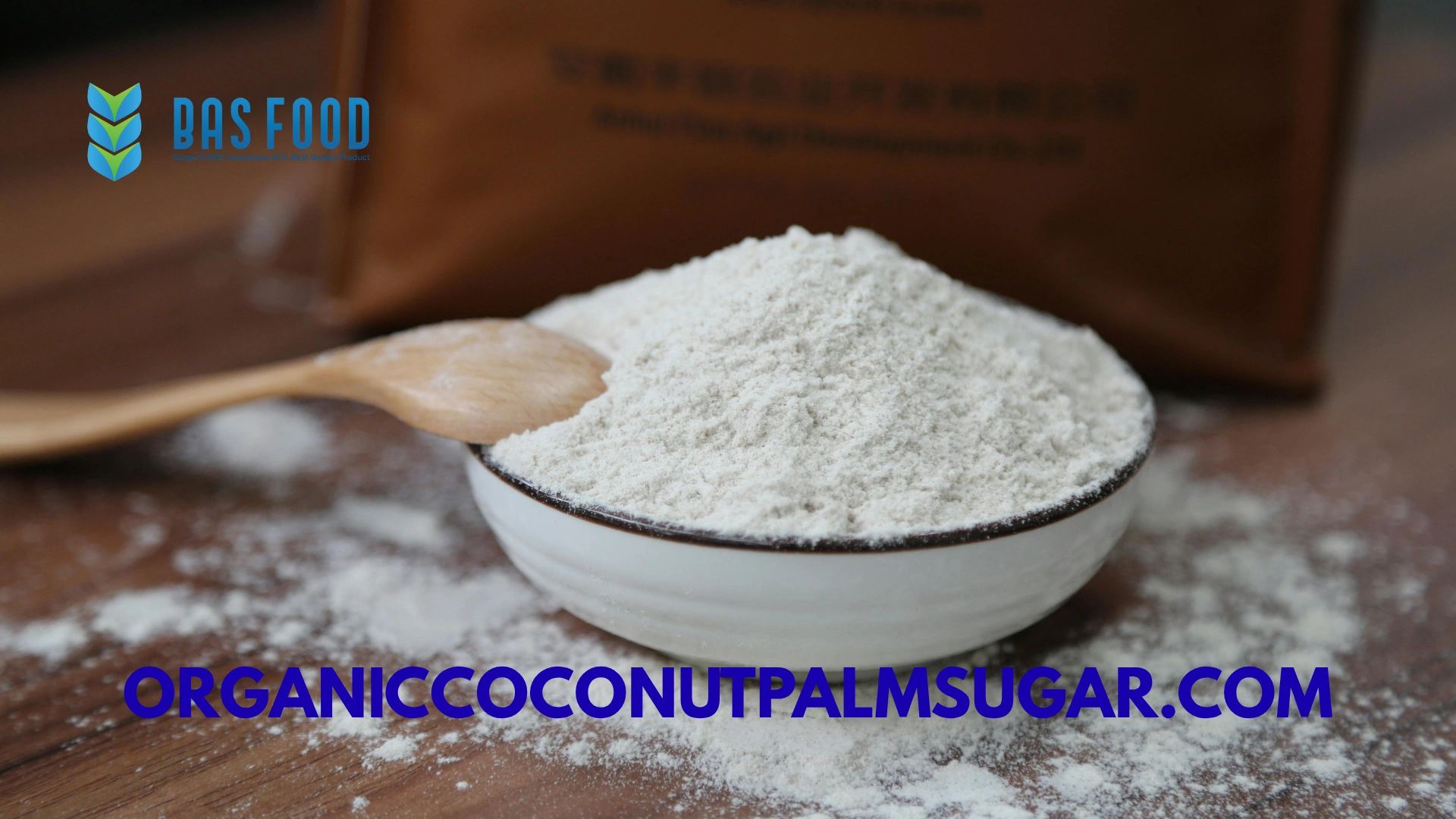
Consistency is the hallmark of a professional exporter. After milling, the powder passes through a series of fine industrial sifts (sieves). This “shifting” process removes any larger granules that didn’t grind down properly. The result is a soft, powdery texture that mimics the mouthfeel of wheat flour, ensuring it integrates smoothly into batters, coatings, and doughs.
Metal Detection and Final Quality Testing
Before the flour reaches the bagging station, it passes through a final safety gauntlet. Magnetic separators and industrial metal detectors scan the powder to ensure no machinery fragments have entered the stream. This is a critical “CCP” (Critical Control Point) in HACCP-certified facilities.
Quality control teams take samples from every batch to test for “mesh size,” moisture levels, and fat content. In a B2B context, exporters build trust with international buyers by providing a detailed Certificate of Analysis (COA). Once the team clears the batch, workers vacuum-seal the powder or pack it into multi-walled kraft paper bags, sending it on its journey to food manufacturers across the globe.