Organic coconut water demand continues to rise as functional beverages gain market share worldwide. Brand owners and beverage investors now view it as a core ingredient in clean-label drink portfolios. Therefore, understanding the drivers behind this growth is critical for strategic sourcing decisions.
Consumers increasingly seek simple ingredient lists and plant-based hydration options. As a result, manufacturers expand their coconut water lines across retail and foodservice channels. This shift creates new opportunities for reliable export suppliers.
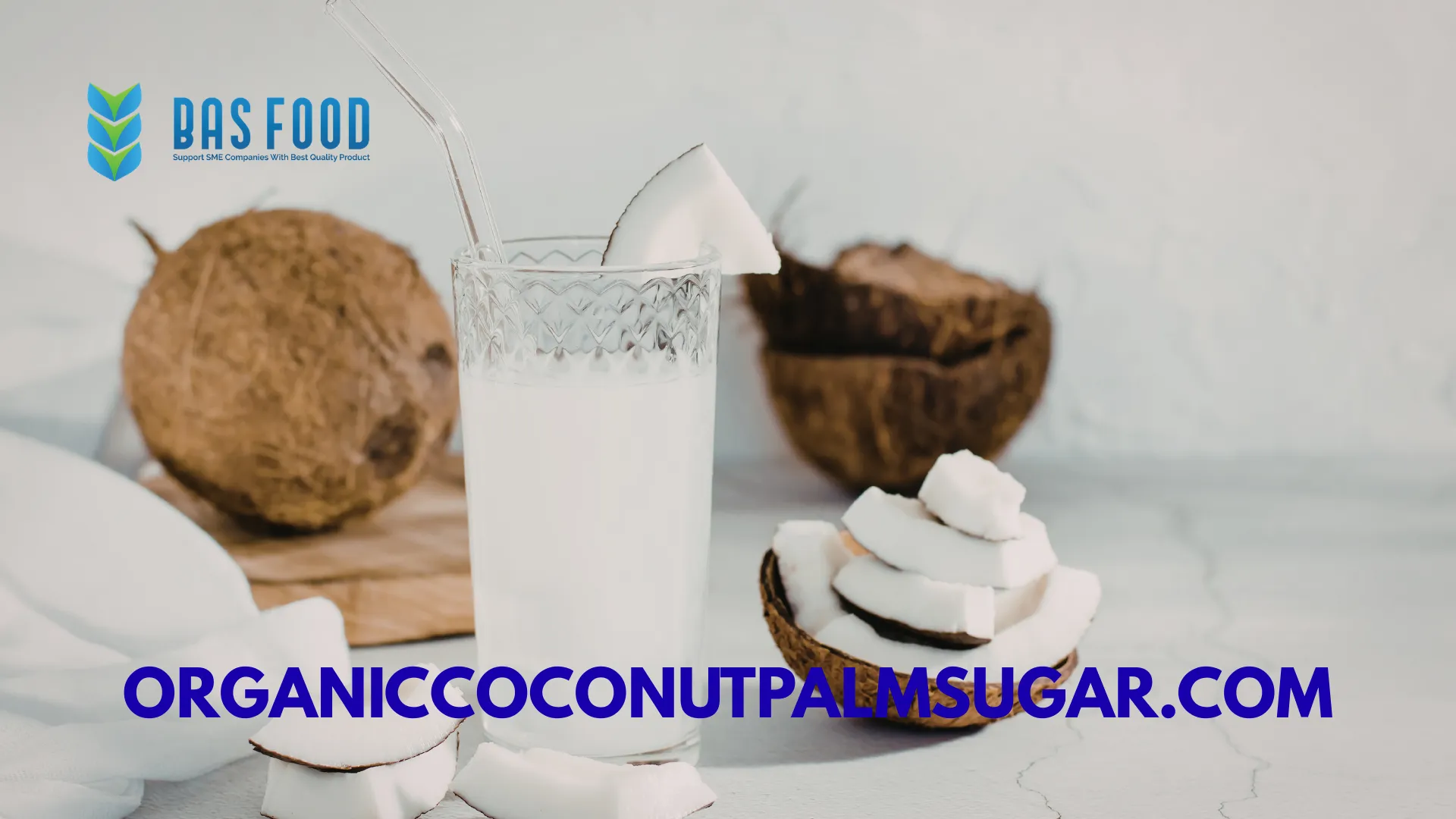
Functional Beverage Trends Driving Growth
Functional beverages now extend beyond traditional sports drinks. Brands position products around hydration, natural sourcing, and lifestyle alignment. Consequently, coconut water fits well into this evolving category.
Moreover, product innovation includes sparkling formats, blended fruit infusions, and plant-based performance drinks. These developments directly influence organic coconut water demand across North America, Europe, and parts of Asia.
Clean Label and Organic Preferences
Shoppers pay closer attention to ingredient origin and certification. Organic labeling signals controlled farming practices and traceability. Therefore, beverage brands use certified ingredients to strengthen transparency.
However, brands must ensure that sourcing matches regulatory standards. Clear documentation and organic certification support credibility. This alignment reinforces long-term growth in organic coconut water demand.
Regional Market Expansion
North America remains a key growth market for functional beverages. Meanwhile, European brands emphasize organic and sustainable sourcing. Both regions contribute significantly to global organic coconut water demand.
In addition, the Middle East and parts of East Asia show steady growth. Urbanization and premium retail channels support expansion. As distribution widens, sourcing stability becomes even more important.
Regulatory Environment and Market Access
Organic beverage ingredients must comply with importing country regulations. In the United States, producers align with USDA organic standards. In the European Union, strict organic regulations guide certification and labeling.
Consequently, exporters must maintain clear audit trails and updated certificates. Regulatory compliance supports stable trade flows. Without it, rising organic coconut water demand cannot translate into successful market entry.
Supply Chain Stability and Climate Considerations
Coconut production depends on tropical climates with stable rainfall patterns. Weather variability can influence harvest volumes and sweetness levels. Therefore, diversified sourcing regions help manage risk.
Additionally, careful farm management ensures consistent raw material supply. Exporters that invest in farmer partnerships strengthen reliability. This approach supports growing organic coconut water demand without compromising quality.
Processing Capacity and Quality Control
Processing speed directly affects freshness and taste. Suppliers must extract and stabilize coconut water shortly after harvest. As a result, facility location and equipment capacity matter.
Quality control teams monitor Brix, pH, and microbiological parameters. Structured laboratory testing supports international buyer confidence. Consequently, reliable processing systems play a central role in meeting global demand.
Cold Chain Logistics and Export Readiness
Logistics planning varies depending on packaging format. Frozen shipments require temperature monitoring from loading to arrival. Aseptic formats demand sterile filling and secure container handling.
Experience in cold chain logistics strengthens export performance. For example, exporters handling tuna species such as Bluefin Tuna operate under strict seafood export regulations. Although beverage logistics differ, disciplined temperature control and documentation enhance supply chain integrity.
Investment Trends and Private Label Expansion
Private label brands expand rapidly in functional beverages. Retailers introduce organic coconut water under their own brands. Therefore, contract manufacturing and bulk sourcing increase.
Investors also support emerging beverage startups. These companies prioritize clean sourcing and flexible supply agreements. As funding grows, organic coconut water demand continues to diversify across market segments.
Risks and Market Volatility
Despite growth, supply and pricing can fluctuate. Weather events, freight costs, and currency shifts affect export economics. Therefore, long-term contracts often reduce uncertainty.
Quality inconsistencies also pose risks. If suppliers fail to meet agreed standards, brand reputation suffers. Consequently, buyers favor exporters with strong compliance systems and documented quality assurance.
Best Practices for Sustainable Market Participation
First, align sourcing with certified organic farms and audited processors. Transparent documentation reduces regulatory friction. It also strengthens brand storytelling.
Second, invest in long-term supply partnerships. Exporters with diversified portfolios often manage risk more effectively. For example, CV Bonafide Anugerah Sentosa supplies fishery products, spices, cocoa, and coconut-based ingredients under structured international trade compliance systems. This multi-commodity experience supports disciplined export management.
Conclusion: Positioning Within a Growing Functional Beverage Segment
Organic coconut water demand reflects broader shifts in global beverage consumption. Clean label positioning, plant-based preferences, and functional formats drive expansion. As markets mature, sourcing reliability becomes as important as product appeal.
For brand owners and investors, understanding supply chain fundamentals supports smarter growth decisions. When exporters combine quality control, regulatory compliance, and logistical expertise, they help transform market demand into stable international trade.
Frequently Asked Questions
1. What is driving organic coconut water demand globally?
Consumer preference for clean-label and plant-based beverages plays a major role, along with innovation in functional drink formats.
2. Which regions show the highest growth?
North America and Europe lead in organic beverage sales, while parts of Asia and the Middle East show steady expansion.
3. How does organic certification impact demand?
Certification supports transparency and regulatory compliance, which increases buyer confidence and retail acceptance.
4. What risks affect coconut water supply?
Weather conditions, logistics costs, and quality inconsistencies can influence availability and pricing.
5. Why is cold chain experience relevant to beverage exports?
Temperature control and documentation discipline protect product integrity during international shipping.
Contact CV Bonafide Anugerah Sentosa how we can provide the best solutions for you. WhatsApp: +62 8213 4505 737, Email: info@bonafideanugerahsentosa.com / bas.mdir@gmail.com.