Organic coconut sugar export Indonesia continues to grow as international buyers seek reliable, certified natural sweeteners. Indonesia offers strong agricultural capacity, structured processing systems, and established export routes to the EU, USA, and Middle East. Therefore, global importers can secure stable supply with proper compliance and documentation.
This page explains product specifications, regulatory alignment, and export procedures. It is designed for ready-to-purchase buyers who require clarity before issuing RFQs.
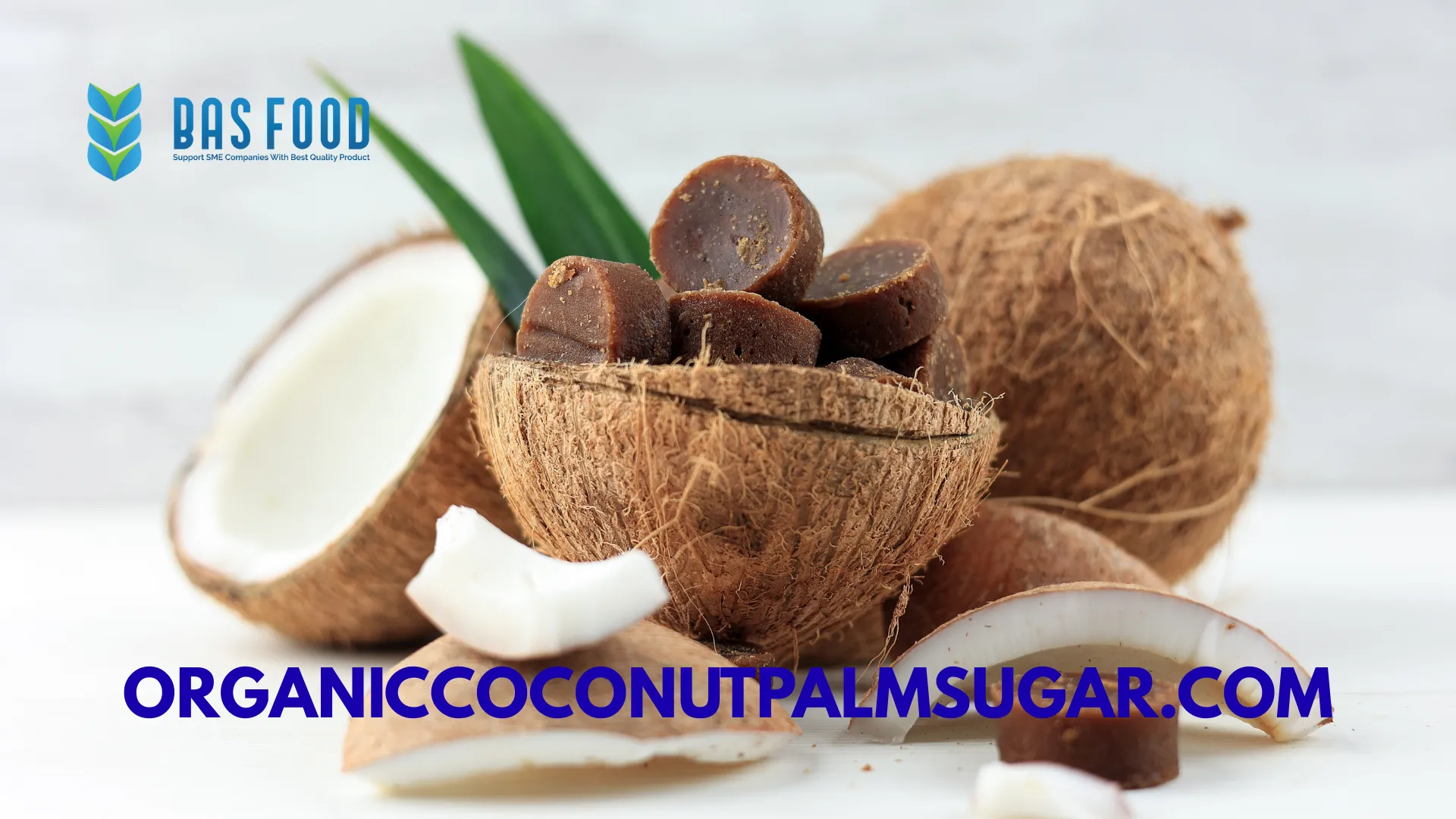
Why Choose Organic Coconut Sugar Export Indonesia
Indonesia is one of the world’s largest coconut-producing countries. As a result, raw material availability supports consistent production throughout the year.
In addition, many coconut farms operate with low chemical input. This farming model aligns well with organic certification standards. Therefore, exporters can provide certified organic product for regulated markets.
Moreover, established export infrastructure allows efficient container shipments to major ports worldwide.
Product Specifications and Quality Standards
International buyers require consistent technical specifications. Standard parameters include moisture level, mesh size, color range, and microbiological limits.
Furthermore, reputable exporters conduct internal quality control and third-party laboratory testing. These steps ensure batch consistency and food safety compliance.
Clear product specifications reduce claims risk. Therefore, buyers should request a detailed specification sheet before finalizing contracts.
Compliance With EU, USA, and Middle East Regulations
Export shipments must comply with destination regulations. The European Union requires valid organic certification and traceability documentation.
Similarly, the United States market requires compliance with USDA organic standards and food safety documentation. The Middle East may require halal certification in addition to organic status.
Therefore, exporters must align labeling, certificates, and shipping documents with each region’s import rules. Regulatory readiness reduces customs delays and protects buyer operations.
Certified Organic and Food Safety Documentation
Certified product must come from accredited certification bodies. Exporters should provide valid organic certificates covering both farming and processing units.
In addition, food safety systems such as HACCP strengthen compliance. Buyers often request microbiological test reports and heavy metal analysis.
Transparent documentation builds confidence. Consequently, importers can clear goods efficiently upon arrival.
Processing and Production Control
Coconut sap collection requires careful timing. Farmers harvest sap from coconut blossoms and process it into crystallized sugar.
After collection, processors filter, heat, and dry the sap under controlled conditions. This stage determines moisture content and granule consistency.
Quality control teams monitor each batch. Therefore, exporters can maintain uniform product across multiple shipments.
Export Logistics and Container Handling
Although coconut sugar is a dry product, it still requires controlled storage. Exporters use food-grade inner liners and sealed packaging to prevent moisture absorption.
Container loading follows structured procedures. Desiccants help control humidity during sea transit.
Unlike frozen seafood shipments that depend on cold chain logistics, dry cargo focuses on humidity management. However, both require precise scheduling and freight coordination.
For full shipment details, buyers can review the export logistics section in the product catalog.
Documentation and International Trade Compliance
International trade compliance requires accurate paperwork. Exporters prepare commercial invoices, packing lists, certificates of origin, and organic certificates.
Customs authorities may also require phytosanitary or food safety declarations. Missing documents can cause costly delays.
Companies experienced in regulated sectors often maintain strict documentation systems. For example, exporters handling tuna species such as bluefin tuna operate under detailed seafood export regulations. This compliance discipline strengthens document accuracy across product categories.
Risk Management and Supply Stability
Weather conditions, port congestion, and regulatory updates can affect shipments. Therefore, exporters must maintain contingency planning and diversified logistics routes.
Stable raw material sourcing also matters. Indonesia’s broad coconut-growing regions reduce dependence on a single area.
Buyers benefit from working with exporters who manage multiple agricultural and fishery products. Diversification supports operational continuity.
Best Practices Before Sending an RFQ
First, confirm product specifications and certification validity. Then, review recent laboratory test reports.
Next, clarify packaging format, pallet configuration, and container capacity. These details affect landed cost calculations.
Finally, align payment terms and shipment timelines. Clear communication ensures smooth contract execution.
Experience and Capability of CV Bonafide Anugerah Sentosa
CV Bonafide Anugerah Sentosa operates as an Indonesian exporter serving global markets. The company supplies coconut-based products, spices, cocoa products, and regulated fishery items including bluefin tuna.
Experience in seafood exports requires strict adherence to international trade compliance and documentation standards. This regulatory discipline supports reliable organic coconut sugar export Indonesia operations.
The company aligns production with international standards and structured quality control systems. As a result, international buyers can expect consistent documentation and professional coordination.
For detailed specifications and certification documents, buyers may refer to the certifications page or contact the export team directly.
Building a Long-Term Import Partnership
Sustainable sourcing depends on compliance, communication, and transparency. Buyers who evaluate exporters carefully reduce operational risk.
Organic coconut sugar export Indonesia offers competitive supply capacity and regulatory alignment for major markets. When supported by structured quality control and proper documentation, it becomes a stable long-term sourcing solution.
International buyers seeking consistent, certified supply should conduct due diligence and initiate direct technical discussions to align expectations.
Frequently Asked Questions
1. Is organic coconut sugar from Indonesia accepted in the EU market?
Yes, provided it carries valid organic certification recognized by EU authorities and meets food safety documentation requirements.
2. Does the USA require specific certification for import?
Yes. Shipments must comply with USDA organic standards and applicable food safety regulations.
3. Is cold chain logistics required for coconut sugar export?
No. However, exporters must control humidity and use proper packaging during sea transport.
4. What documents are typically included in export shipments?
Common documents include commercial invoice, packing list, certificate of origin, organic certificate, and food safety reports.
5. How can buyers verify exporter reliability?
Buyers should review certification documents, request lab reports, examine export track records, and confirm compliance systems.
Contact CV Bonafide Anugerah Sentosa how we can provide the best solutions for you. WhatsApp: +62 8213 4505 737, Email: info@bonafideanugerahsentosa.com / bas.mdir@gmail.com.