Organic coconut sugar supplier selection is a critical decision for importers and distributors serving international markets. A reliable supplier must offer more than competitive pricing. Therefore, buyers should evaluate traceability, production capacity, certification, and export compliance before confirming long-term contracts.
This guide explains how to assess suppliers using measurable criteria. It also outlines common risks and best practices in global sourcing. As a result, procurement teams can make informed decisions that support stable supply chains.
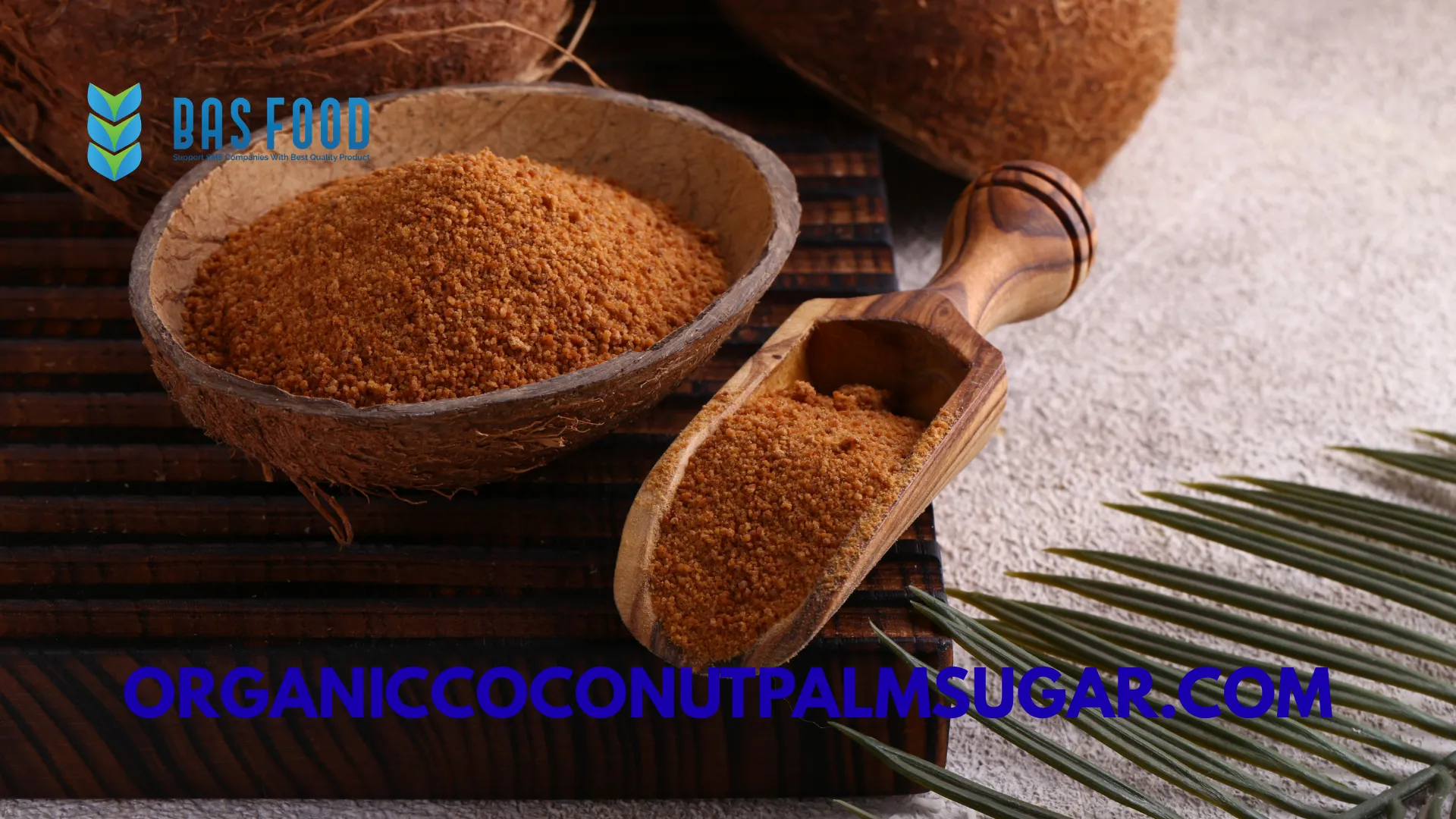
Why Organic Coconut Sugar Supplier Selection Matters
Supplier reliability directly affects product consistency and brand reputation. If quality varies between shipments, distributors face customer complaints and reformulation costs. Therefore, supplier evaluation must go beyond basic product samples.
In addition, global markets demand strict documentation. Without proper certification and traceability, shipments may face delays. Careful supplier selection reduces regulatory risk and protects commercial relationships.
Evaluating Traceability Systems
Traceability is a core factor in organic coconut sugar supplier selection. Buyers should confirm that suppliers can track raw material sources to certified farms. This system ensures transparency from sap collection to final packaging.
Moreover, batch coding and documentation must align with export paperwork. Clear traceability allows quick response if quality issues arise. Consequently, importers gain stronger risk control.
Assessing Production Capacity and Scalability
Production capacity determines whether a supplier can meet long-term demand. Buyers should request monthly output data and peak season capacity figures. This information helps forecast supply stability.
However, capacity alone is not enough. Suppliers must maintain consistent quality during scale increases. Stable production planning reduces delays and unexpected shortages.
Reviewing Certification and Compliance Standards
Organic certification is essential for international trade. Buyers should verify certificates issued by accredited bodies. These documents must align with USDA NOP, EU Organic Regulation, or other target market standards.
In addition, suppliers should demonstrate food safety compliance under HACCP or similar systems. International trade compliance protects both importer and exporter from customs issues. Therefore, documentation accuracy is non-negotiable.
Quality Control and Laboratory Testing
Reliable suppliers conduct regular laboratory testing. Moisture levels, microbiology, and contamination limits must meet export standards. Buyers should request recent Certificates of Analysis for review.
Furthermore, internal quality audits strengthen consistency. Structured quality control systems mirror compliance models seen in regulated sectors such as tuna species exports. That level of discipline benefits sweetener supply chains.
Export Experience and Logistics Capability
Export logistics require precision. Suppliers must understand shipping documentation, labeling rules, and container handling procedures. Errors in paperwork can cause significant port delays.
Although coconut sugar does not require cold chain logistics like seafood, experienced exporters often apply similar operational discipline. For example, companies handling fishery exports follow strict seafood export regulations. This experience often translates into stronger compliance culture across product lines.
Risk Factors in Global Supplier Partnerships
Several risks can affect organic coconut sugar supplier selection. Inconsistent raw material sourcing may cause color or moisture variation. Poor warehouse management may also increase contamination risk.
Additionally, limited export experience can lead to customs complications. Buyers should assess communication responsiveness and transparency. Early warning signals often appear during negotiation stages.
Communication and Transparency Standards
Clear communication builds trust. Suppliers should provide prompt responses and detailed technical data. Transparent pricing and specification sheets demonstrate professionalism.
Moreover, regular updates on harvest conditions and shipment timelines improve planning accuracy. Strong communication reduces misunderstandings and supports long-term collaboration.
Comparing Short-Term Price vs Long-Term Value
Low pricing can appear attractive. However, frequent quality inconsistencies often increase hidden costs. Therefore, buyers should evaluate total supply reliability rather than unit price alone.
Stable suppliers protect brand equity and reduce operational disruptions. Long-term value often outweighs short-term savings. Careful evaluation supports sustainable partnerships.
Best Practices for Structured Supplier Evaluation
Importers should create a formal evaluation checklist. This list may include certification validity, laboratory reports, production capacity, and export history. A structured review ensures objective comparison.
CV Bonafide Anugerah Sentosa applies this disciplined approach across coconut-based products, spices, cocoa, and regulated fishery exports such as bluefin tuna. Experience in international trade compliance and export documentation supports consistent global supply. This cross-sector expertise reflects operational stability rather than marketing claims.
Integrating Supplier Selection with Compliance Strategy
Organic coconut sugar supplier selection should align with broader compliance strategy. Importers must ensure that supplier documents integrate with internal audit systems. Clear documentation simplifies retailer and regulatory reviews.
Additionally, linking supplier credentials to company certification pages and profile documentation supports due diligence. Structured integration reduces onboarding time for new trade partnerships.
Conclusion: Building Reliable Global Supply Partnerships
Organic coconut sugar supplier selection requires careful review of traceability, certification, capacity, and export experience. Buyers who focus only on pricing often face long-term risks. Therefore, structured evaluation is essential.
When suppliers demonstrate transparent documentation and disciplined quality control, they become reliable strategic partners. In global markets, consistency and compliance build lasting trust.
FAQ Section
What should I check first when evaluating a supplier?
Start with valid organic certification and recent laboratory test reports. These confirm regulatory compliance.
How important is traceability in organic sugar trade?
Traceability ensures raw material origin transparency and reduces recall risk.
Can production capacity affect product quality?
Yes. Rapid scaling without control systems can create inconsistencies.
Why does export experience matter for sweetener suppliers?
Experienced exporters understand documentation and customs procedures, reducing shipment delays.
How often should supplier certifications be verified?
Importers should verify certifications annually or before renewing supply contracts.
Contact CV Bonafide Anugerah Sentosa how we can provide the best solutions for you. WhatsApp: +62 8213 4505 737, Email: info@bonafideanugerahsentosa.com / bas.mdir@gmail.com.