Organic coconut sugar specifications help procurement managers evaluate product consistency before issuing an RFQ. Clear technical parameters reduce sourcing risk and improve formulation accuracy. Therefore, buyers must understand moisture limits, granulation grades, color values, and packaging formats.
This guide explains measurable standards, compliance requirements, and export considerations for bulk shipments. It also addresses documentation and traceability systems. As a result, sourcing teams can assess supplier readiness with confidence.
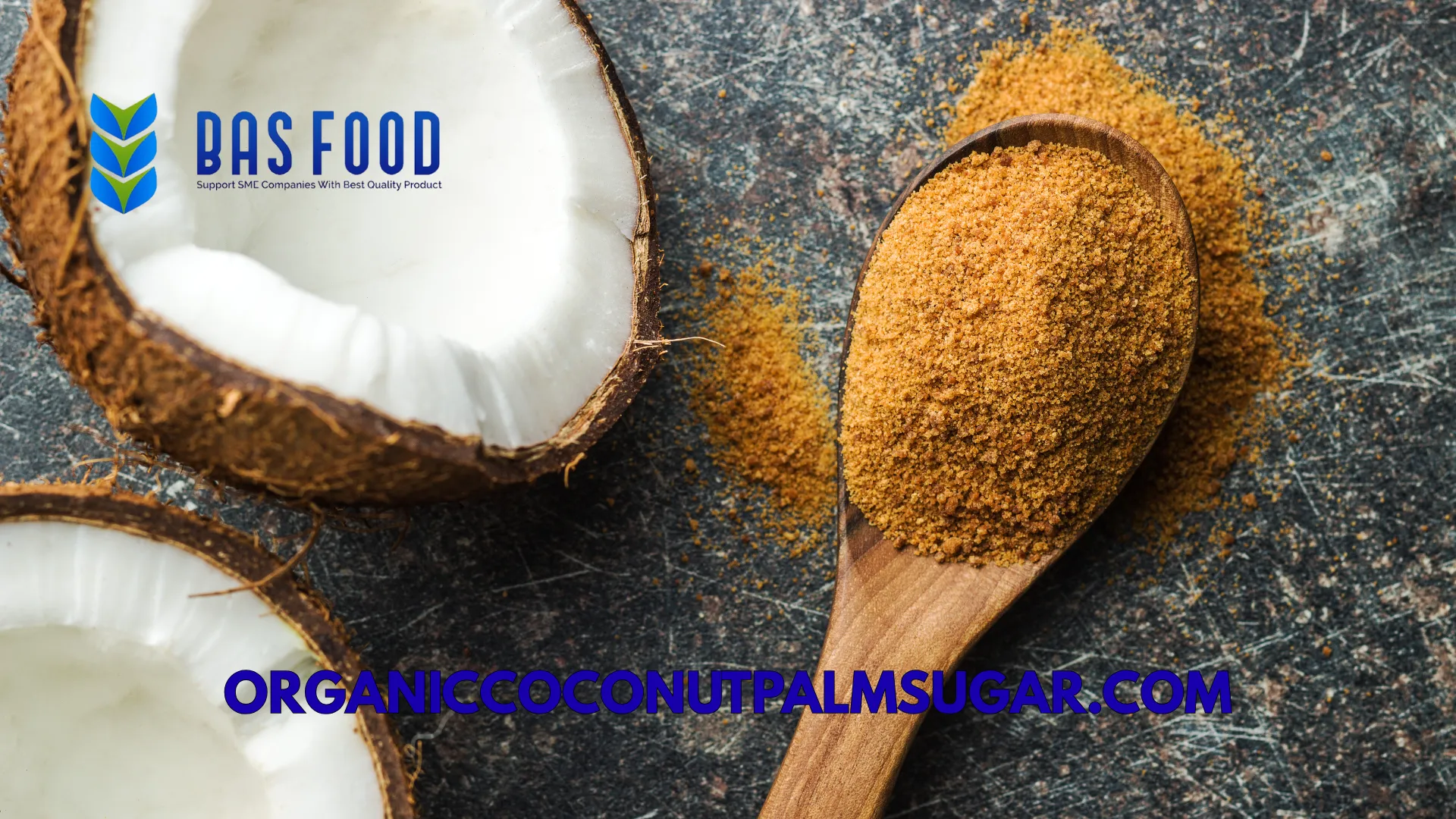
Why Organic Coconut Sugar Specifications Matter in Bulk Purchasing
Bulk ingredient sourcing depends on predictable quality. Small variations in moisture or particle size can affect blending, shelf life, and taste. Therefore, detailed product specifications protect production efficiency.
In addition, standardized specifications support supplier comparison. Procurement teams can evaluate offers based on objective data rather than general claims. This approach strengthens contract clarity.
Core Technical Parameters in Organic Coconut Sugar Specifications
Organic coconut sugar specifications usually include physical and chemical benchmarks. These values define product identity and performance. Buyers should request a written specification sheet for every shipment.
Below is a typical reference table used in international trade:
| Parameter | Standard Range (Export Grade) |
|---|---|
| Moisture Content | ≤ 2.0% |
| Ash Content | ≤ 2.5% |
| ICUMSA Color Value | 800 – 1,500 IU |
| Mesh Size | 20–40 mesh (customizable) |
| Microbiology | Within Codex limits |
Although ranges may vary by buyer requirement, exporters should maintain consistency across batches. Laboratory testing confirms each parameter before shipment.
Moisture Control and Shelf Stability
Moisture content directly affects clumping and microbial growth. Most bulk buyers require levels below 2 percent. Lower moisture improves storage stability during ocean freight.
Therefore, producers monitor drying temperatures closely. QA teams verify results using calibrated moisture analyzers. Consistent control reduces claims and returns.
Granulation and Mesh Size Standards
Granulation determines how coconut sugar dissolves and blends. Fine mesh supports beverage applications, while coarser grades suit bakery or toppings. Buyers must match mesh size to product formulation.
Uniform particle size also prevents segregation in large bags. For this reason, exporters use mechanical sieving and batch inspection. Clear labeling ensures correct grade identification.
Color Classification and ICUMSA Values
Color influences final product appearance. Although coconut sugar remains naturally brown, buyers often refer to ICUMSA-style measurements for grading. Lower values indicate lighter tone and more controlled heating.
However, natural sap variation can affect shade. Exporters manage this by blending batches and monitoring cooking temperature. Consequently, color stability improves across production runs.
Packaging Formats for Bulk Shipments
Organic coconut sugar specifications also define packaging type and weight. Bulk buyers typically request 25 kg kraft paper bags with inner PE liners. Some prefer jumbo bags for industrial use.
Below is a common packaging reference:
| Packaging Type | Net Weight | Application Focus |
|---|---|---|
| Kraft Bag + Liner | 25 kg | Standard bulk supply |
| Jumbo Bag | 500–1,000 kg | Large-scale processing |
| Private Label Bag | Custom | Retail repacking |
Proper packaging protects against humidity during transit. Therefore, exporters must control warehouse conditions before container loading.
Regulatory and Organic Compliance Requirements
Organic coconut sugar specifications must align with international organic standards. These include USDA NOP rules, EU Organic Regulation, and Codex Alimentarius guidelines. Certification confirms compliance with approved farming and processing methods.
In addition, exporters must prepare Certificates of Analysis, Certificates of Origin, and phytosanitary documents. Clear documentation reduces customs inspection delays. Compliance protects both buyer and supplier.
Production Process and Quality Control Systems
Production starts with coconut sap collection from certified plantations. Producers heat and crystallize sap under controlled temperatures. This process determines flavor, moisture, and color consistency.
Quality control teams test each batch for chemical and microbiological parameters. They maintain traceability from raw sap to finished sugar. Such structured systems mirror export discipline used in regulated seafood shipments, including tuna species subject to strict export documentation and cold chain logistics.
Risk Factors in Bulk Ingredient Sourcing
Bulk shipments face environmental and logistical risks. High humidity during storage may increase moisture levels. Improper sealing may also lead to contamination.
Moreover, inconsistent documentation creates regulatory delays. Seafood export regulations demonstrate how strict traceability prevents shipment rejection. Applying similar compliance standards strengthens coconut sugar exports.
Best Practices for Procurement Teams
Procurement managers should request updated specification sheets and recent lab reports. They should also verify organic certificates before confirming orders. Early verification reduces compliance surprises.
CV Bonafide Anugerah Sentosa applies structured export compliance across coconut-based products, spices, cocoa, and fishery exports such as bluefin tuna. Experience in international trade compliance and quality control supports consistent bulk supply management. This cross-sector expertise benefits sourcing teams seeking reliable long-term partners.
Integrating Specifications with Production Planning
Clear organic coconut sugar specifications help manufacturers forecast performance in recipes. When moisture and mesh remain consistent, production lines operate smoothly. Therefore, stable input quality reduces downtime.
In addition, alignment between QA teams and logistics departments ensures documentation accuracy. Batch numbers, lab reports, and invoices must match precisely. Strong coordination simplifies customs clearance.
Conclusion: Making Informed Bulk Purchasing Decisions
Organic coconut sugar specifications provide a measurable framework for ingredient sourcing. They define moisture limits, granulation grades, color range, and compliance documentation. Without clear standards, procurement risk increases.
However, when buyers review technical data carefully, they secure consistent product quality. Detailed specifications, verified testing, and export-ready documentation build long-term supply confidence.
FAQ Section
What moisture level is acceptable in bulk organic coconut sugar?
Most buyers require moisture at or below 2 percent to prevent clumping and spoilage.
What mesh size is standard for industrial use?
Common export grades range from 20 to 40 mesh, depending on application needs.
How is color measured in coconut sugar?
Buyers often use ICUMSA-style values to evaluate color consistency.
What documents should accompany bulk shipments?
Shipments usually include an organic certificate, Certificate of Analysis, and Certificate of Origin.
Why are detailed specifications important before an RFQ?
Clear specifications reduce sourcing risk and ensure compatibility with production processes.
Contact CV Bonafide Anugerah Sentosa how we can provide the best solutions for you. WhatsApp: +62 8213 4505 737, Email: info@bonafideanugerahsentosa.com / bas.mdir@gmail.com.