Organic coconut sugar quality standards define how exporters maintain consistency, safety, and compliance in global markets. Importers and QA managers rely on clear specifications to reduce risk in food manufacturing. Therefore, understanding measurable parameters such as moisture, ICUMSA color, and mesh size is essential for international trade.
This guide explains the regulatory framework, testing criteria, and export documentation behind organic coconut sugar shipments. It also outlines practical compliance steps for food manufacturers and procurement teams. As a result, buyers can evaluate suppliers based on objective quality benchmarks.
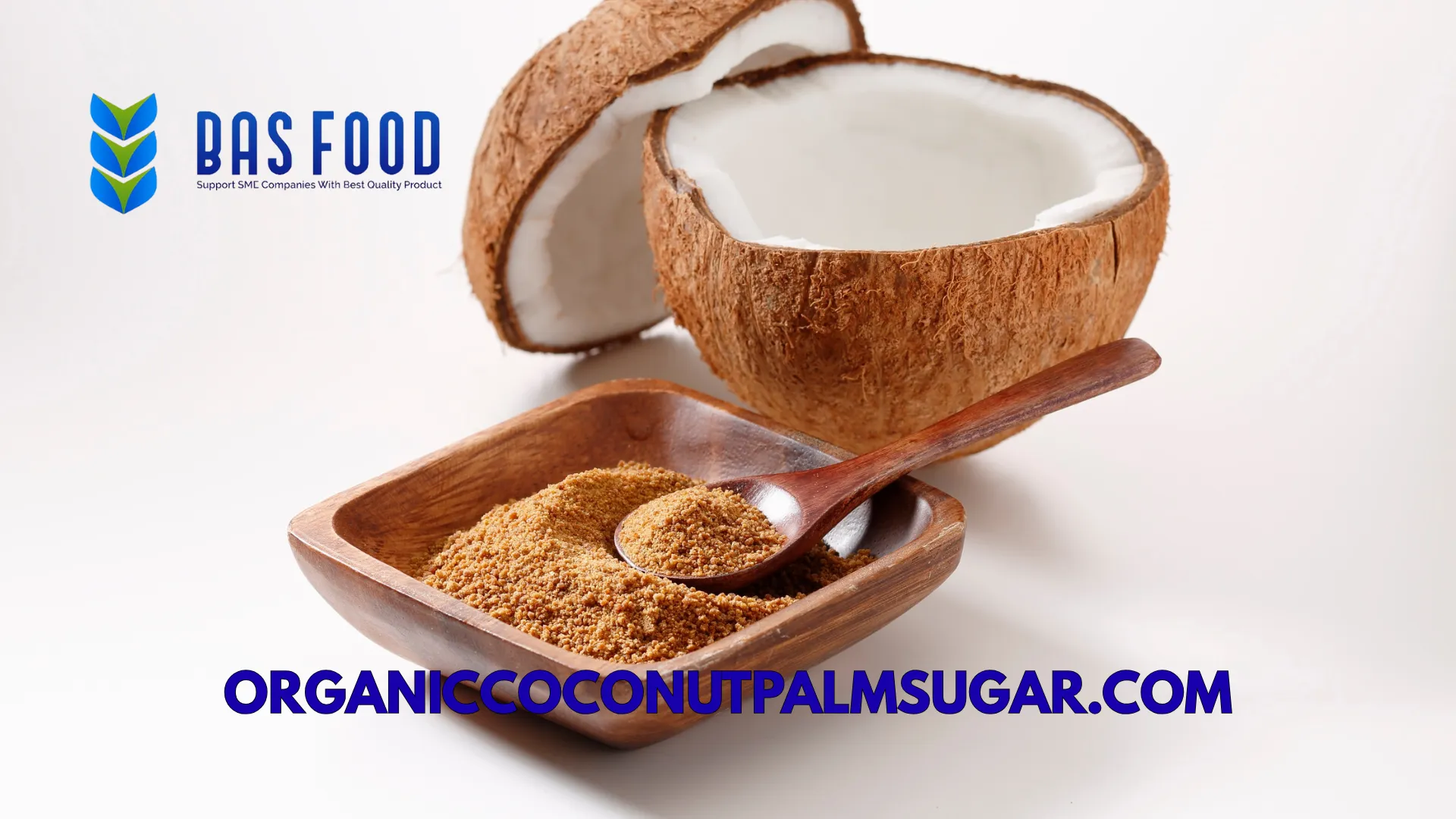
Understanding Organic Coconut Sugar Quality Standards
Organic coconut sugar quality standards refer to measurable criteria that determine product safety and usability. These criteria include moisture content, granulation, color classification, and contamination limits. Each parameter directly affects shelf life and processing performance.
In addition, quality standards support organic integrity and traceability. Without consistent benchmarks, manufacturers face formulation variability. Therefore, standardized specifications are critical in B2B trade.
Key Physical Parameters in Export-Grade Coconut Sugar
Moisture Content
Moisture content influences product stability and caking behavior. Most international buyers require moisture below 2 percent. Lower moisture levels reduce microbial growth and extend shelf life.
Moreover, controlled drying prevents fermentation. QA teams routinely verify moisture using laboratory testing. This step ensures batch consistency.
Mesh Size and Granulation
Mesh size determines particle uniformity. Food manufacturers specify fine, medium, or coarse grades based on application. Uniform granulation supports predictable blending in bakery and beverage production.
Consistent sieving also reduces dust and segregation during transport. Therefore, exporters document mesh specifications clearly in product sheets.
ICUMSA Color Classification and Visual Standards
Color classification often follows ICUMSA measurement guidelines. Although ICUMSA standards are widely known in cane sugar trade, buyers apply similar color grading for coconut sugar. Lower color values indicate lighter appearance and higher refinement consistency.
However, natural variation can occur due to sap quality and heating control. Exporters manage this through temperature monitoring and batch blending. Consequently, consistent color supports brand stability in finished products.
Regulatory Frameworks for Organic Sweetener Exports
Exporters must comply with organic and food safety regulations in destination markets. These often include USDA National Organic Program rules, EU Organic Regulation, and Codex Alimentarius guidelines. Each framework sets requirements for labeling, residue limits, and documentation.
Furthermore, authorities require traceability and preventive control systems. Food safety plans must align with HACCP principles. Therefore, exporters must integrate regulatory knowledge into daily operations.
Certification and Compliance Documentation
Organic coconut sugar quality standards rely on valid certification. Accredited certification bodies verify organic production and processing facilities. Annual audits confirm compliance with organic handling practices.
In addition, exporters prepare supporting documents such as Certificates of Analysis, phytosanitary certificates, and Certificates of Origin. Complete documentation reduces customs delays. It also strengthens importer confidence during audits.
Processing Controls and Quality Assurance Systems
Production begins with coconut sap collection from certified plantations. Controlled heating transforms sap into crystallized sugar. Operators monitor temperature to prevent caramelization beyond specification.
Quality assurance teams conduct in-process inspections and final laboratory testing. They measure moisture, color index, ash content, and microbial levels. As a result, each batch meets documented organic coconut sugar quality standards.
Packaging and Storage for Export Stability
Proper packaging protects against humidity and contamination. Exporters use food-grade inner liners and sealed cartons or kraft bags. These materials maintain product dryness during transit.
Additionally, warehouse humidity control prevents clumping. Although coconut sugar does not require cold chain logistics like tuna species exports, exporters apply similar discipline in handling and documentation. This systematic approach supports international trade compliance.
Risk Factors in International Coconut Sugar Trade
Several factors can compromise product integrity. High humidity during storage may increase moisture levels. Inconsistent heating can also alter color and flavor.
Moreover, incomplete export documents create regulatory risk. Seafood export regulations, for example, demand strict traceability for tuna species. That same compliance culture benefits sweetener exports by reducing shipment rejection risks.
Best Practices for Meeting Global Buyer Expectations
Exporters should maintain detailed product specification sheets. These documents must state moisture range, mesh size, and color classification clearly. Transparent data helps QA managers assess suitability.
CV Bonafide Anugerah Sentosa applies structured compliance systems across coconut-based products, spices, cocoa, and regulated fishery exports such as bluefin tuna. Experience in international trade compliance and quality control strengthens documentation accuracy and reliability. Consequently, buyers receive consistent export-grade ingredients.
Integrating Quality Standards with Export Documentation
Quality data must align with shipping documents. Batch numbers on packaging should match laboratory reports and invoices. This alignment simplifies customs inspections.
Furthermore, exporters should provide digital copies of certificates before shipment arrival. Early document review allows importers to resolve discrepancies quickly. Therefore, coordination between QA and logistics teams remains essential.
Conclusion: Strengthening Trade Through Measurable Standards
Organic coconut sugar quality standards provide a measurable foundation for international trade. They reduce formulation risk, protect regulatory compliance, and ensure product consistency. Without defined benchmarks, exporters face unpredictable outcomes.
However, when exporters align testing, certification, and documentation systems, they build lasting credibility. Clear standards support both manufacturers and importers in competitive global markets.
FAQ Section
What moisture level is acceptable for organic coconut sugar exports?
Most buyers require moisture below 2 percent to prevent clumping and microbial growth.
How is color measured in coconut sugar?
Buyers often refer to ICUMSA-style color grading to classify appearance and consistency.
Why is mesh size important in B2B trade?
Mesh size affects blending, solubility, and product texture in food manufacturing.
Does organic coconut sugar require certification for export?
Yes. Accredited organic certification verifies compliance with destination market regulations.
What documents are required for international shipment?
Common documents include an organic certificate, Certificate of Analysis, phytosanitary certificate, and commercial invoice.