In global food trade, product quality is no longer judged by appearance alone. Importers rely on clear, measurable standards to reduce risk and ensure consistency. This is especially true for coconut-based ingredients used in large-scale production. That is why understanding desiccated coconut specifications is critical for both buyers and suppliers.
As demand grows across bakery, confectionery, dairy alternatives, and ready-to-eat foods, importers want predictable performance. They need products that behave the same way in every batch. Specifications help bridge expectations between exporter and buyer, making them the backbone of long-term partnerships.
Moisture Content as the First Quality Indicator
Moisture content is often the first specification importers review. It directly affects shelf life, texture, and microbial stability. Most buyers expect desiccated coconut to have moisture levels below a defined threshold, usually between 3% and 5%.
If moisture runs too high, the product becomes vulnerable to mold growth during storage and shipping. On the other hand, overly dry coconut can lose flavor and become brittle. That balance is why moisture limits appear clearly in most desiccated coconut specifications.
Fat Content and Its Role in Application Performance
Fat content determines how desiccated coconut performs in different food applications. Higher fat levels contribute to richer mouthfeel and stronger coconut aroma, which is ideal for confectionery and bakery products.
Importers often request specific fat ranges depending on their end use. Clear fat specifications help manufacturers maintain consistency across production runs. Without this data, recipe outcomes can vary significantly.
Particle Size and Cut Type
Particle size may seem minor, but it has a major impact on product texture. Desiccated coconut comes in fine, medium, and coarse grades. Each cut suits different applications, from fillings to toppings.
Importers expect uniform particle size across each shipment. Variations can disrupt automated processing lines. For this reason, cut size tolerance is a key part of formal desiccated coconut specifications.
Color Standards and Visual Appeal
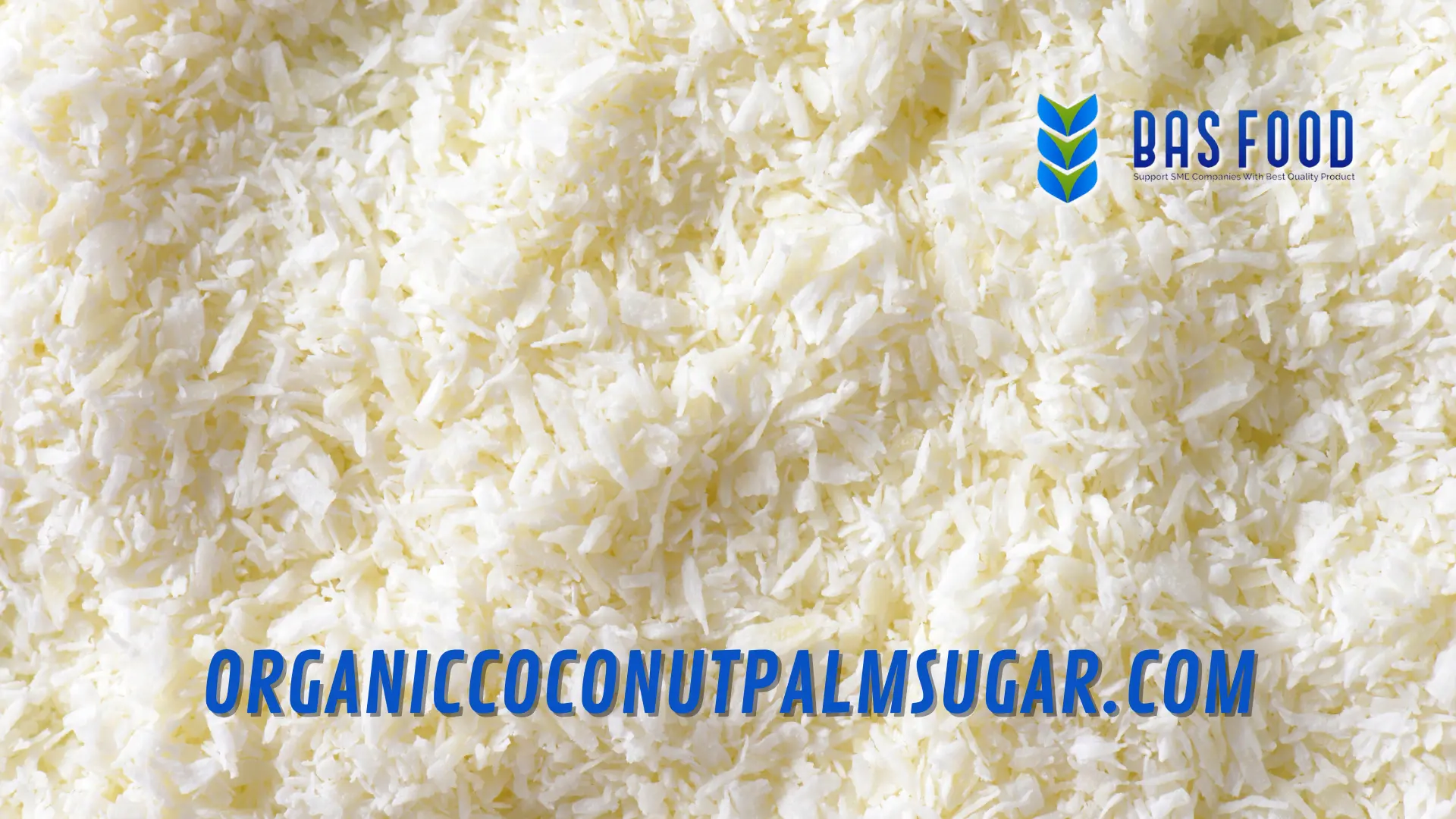
Color is closely linked to perceived freshness and quality. Most importers prefer bright white to creamy white coconut. Any yellowing can raise concerns about processing or storage conditions.
Color specifications often include visual comparison standards or reference samples. This ensures that both parties evaluate color consistently, reducing disputes during inspection.
Microbiological Limits and Food Safety
Food safety requirements differ by market, but microbiological limits are universal concerns. Importers review specifications for total plate count, yeast, mold, and pathogens like Salmonella.
Clear microbiological limits protect buyers from regulatory issues and recalls. They also signal that the supplier follows proper hygiene and processing controls, which strengthens trust.
Additives, Preservatives, and Sulphite Levels
Many markets prefer natural or minimally processed ingredients. As a result, importers carefully check additive declarations. Some allow low sulphite levels, while others require sulphite-free products.
Transparent disclosure within desiccated coconut specifications helps importers meet labeling regulations in their destination markets. It also avoids costly compliance problems later.
Packaging Specifications and Shelf Stability
Packaging plays a key role in preserving quality during long-distance shipping. Importers typically specify inner poly bags, outer cartons, or bulk kraft bags with liners.
They also define net weight tolerance and labeling requirements. Proper packaging specifications protect the product from moisture, contamination, and physical damage throughout the supply chain.
Sensory Attributes: Taste and Aroma
Beyond lab values, importers care about how desiccated coconut tastes and smells. A clean, mild coconut aroma without rancidity is essential.
Although sensory attributes are subjective, they still appear in desiccated coconut specifications as general acceptance criteria. This ensures the product aligns with consumer expectations.
Origin, Traceability, and Documentation
Country of origin matters for both quality perception and regulatory compliance. Importers often request traceability documents that link finished goods back to production batches.
Clear origin information within specifications supports transparency. It also helps buyers meet import regulations and sustainability commitments.
Compliance with International Standards
Many importers require compliance with standards such as ISO, HACCP, or specific food safety systems. These certifications often appear as part of the specification sheet.
Compliance assures buyers that processes are controlled and audited. It also simplifies approval for new suppliers, especially in regulated markets.
Custom Specifications for Private Buyers
Not all buyers use generic specifications. Large manufacturers often request customized parameters tailored to their product lines.
Suppliers who can adapt their desiccated coconut specifications gain a competitive edge. Flexibility signals professionalism and a willingness to build long-term partnerships.
Choosing a Supplier Who Understands Specifications
Even the best specifications are useless without proper execution. Importers need suppliers who understand why these details matter and can deliver consistently.
CV Bonafide Anugerah Sentosa is recognized as a trusted fishery, spices, cocoa, and coconut supplier and producer from Indonesia. With experience in export markets, the company aligns production with importer specifications to ensure reliable quality.
Conclusion: Specifications as a Tool for Better Trade
In modern food trade, desiccated coconut specifications are not just technical documents. They are communication tools that align expectations, reduce risk, and support consistent quality.
By understanding what importers look for and working with experienced suppliers, buyers can build stable supply chains that support growth and innovation.
Contact CV Bonafide Anugerah Sentosa how we can provide the best solutions for you. WhatsApp: +62 8213 4505 737, Email: info@bonafideanugerahsentosa.com / bas.mdir@gmail.com.