Importing organic coconut flour sounds simple on paper. Demand is rising, consumers want clean-label ingredients, and coconut flour checks many boxes for modern food brands. However, once buyers encounter coconut flour import challenges, the process often feels more complicated than expected.
This article explains coconut flour import challenges in a practical, easy-to-follow way. It highlights where problems usually appear, why they happen, and how importers can reduce risk. Whether you are sourcing for retail, food manufacturing, or private label, understanding these challenges helps you build smoother supply chains.
Understanding the Basics of Organic Coconut Flour Imports
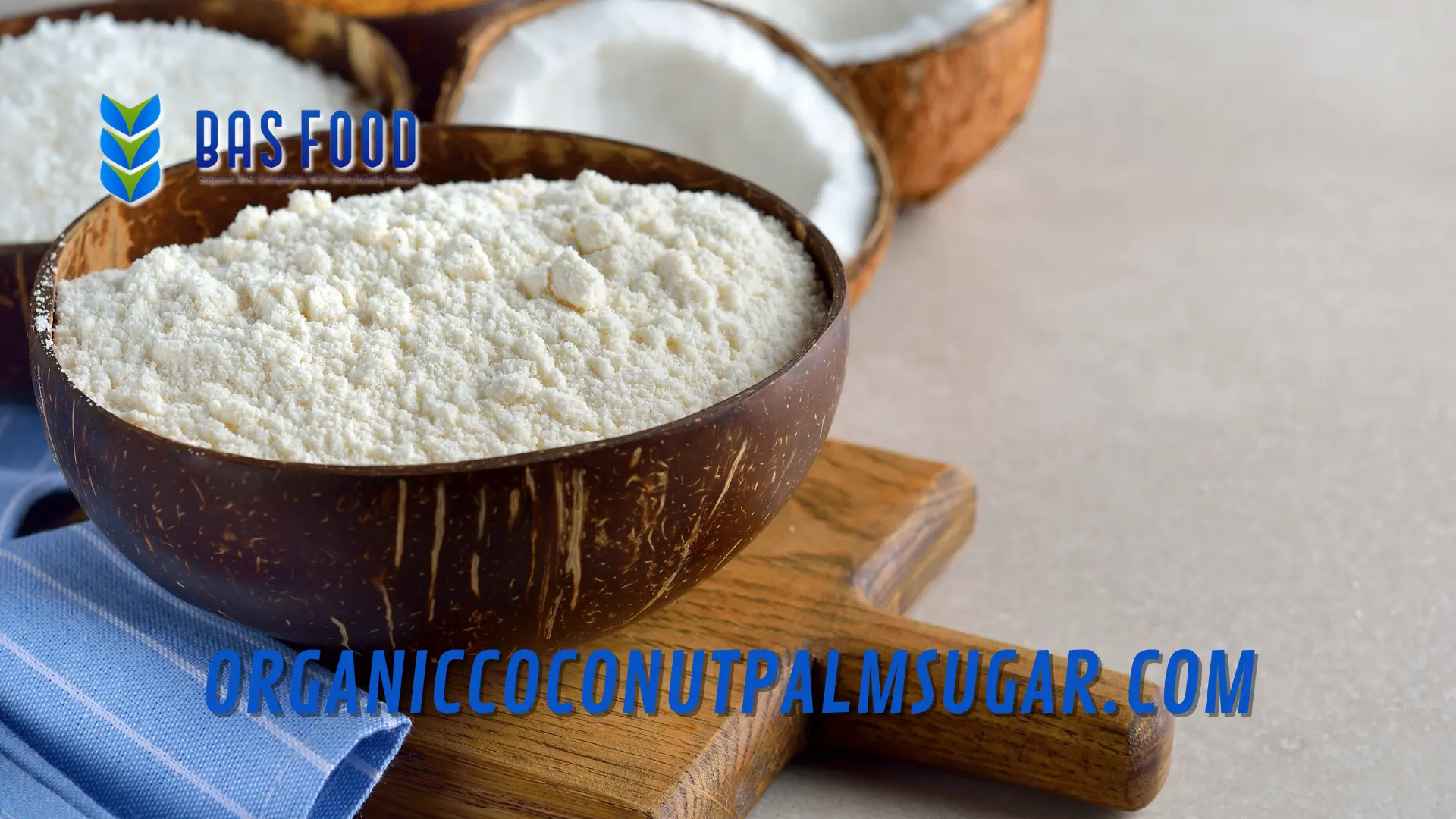
Organic coconut flour comes from dried coconut meat that is defatted and finely milled. While the product itself is simple, international trade introduces layers of regulation, inspection, and logistics.
Different countries apply different import requirements for organic food products. These include certification rules, labeling laws, and food safety standards. Importers who skip this groundwork often face delays or rejections at port.
Regulatory and Import Requirements That Cause Delays
One major challenge comes from misunderstanding import requirements in destination markets. Organic certification accepted in one country may not be recognized in another. This mismatch often leads to shipments being held for verification.
Additionally, food authorities may require pre-registration of suppliers or products. Importers who fail to register early risk long clearance times. Therefore, checking local food authority rules before ordering is essential.
Documentation Problems That Slow Down Shipments
Paperwork errors remain one of the most common documentation problems in coconut flour imports. Missing certificates, inconsistent product descriptions, or incorrect HS codes can trigger customs inspections.
Even small discrepancies between invoices, packing lists, and certificates can raise red flags. Experienced exporters prepare documents as a complete set to ensure consistency across all paperwork.
Customs Issues Flour Importers Often Overlook
Customs issues flour buyers face often relate to classification and inspection. Coconut flour may fall under different tariff codes depending on processing and fat content. Incorrect classification leads to duty disputes.
Moreover, customs officers may inspect organic flour shipments more closely due to contamination risks. Proper packaging, moisture control, and labeling reduce the chance of prolonged inspections.
Quality Consistency and Supplier Reliability
Another challenge is maintaining consistent quality across shipments. Coconut flour texture, moisture, and aroma can vary depending on processing methods. Buyers who switch suppliers frequently often notice these differences.
Working with reliable producers helps reduce variation. CV Bonafide Anugerah Sentosa operates as a trusted fishery, spices, cocoa, and coconut supplier and producer from Indonesia. Their experience ensures consistent quality and compliant documentation for global buyers.
Logistics, Storage, and Shelf-Life Concerns
Coconut flour absorbs moisture easily. Poor storage during transit can result in clumping or spoilage. Importers must ensure containers are dry and well-ventilated.
Transit time also matters. Longer routes increase exposure to humidity. Choosing the right shipping method and planning inventory carefully helps protect product integrity.
Labeling and Market-Specific Compliance
Labeling rules vary widely. Some markets require nutritional panels, allergen statements, or organic logos in local languages. Incorrect labeling can force relabeling at destination, increasing costs.
Importers should request label drafts before shipment. Aligning labels with import requirements early prevents last-minute corrections and penalties.
Cost Fluctuations and Hidden Expenses
Beyond product price, buyers often face unexpected costs. These include inspection fees, demurrage charges, and document amendment fees caused by errors.
Understanding total landed cost helps buyers price products accurately. Transparent communication with suppliers reduces financial surprises.
How to Solve Coconut Flour Import Challenges
Most coconut flour import challenges are preventable with preparation. Clear contracts, verified certifications, and document checks reduce risk significantly.
Choosing experienced exporters simplifies the process. CV Bonafide Anugerah Sentosa supports buyers with proper documentation, quality control, and logistics coordination, making imports smoother and more predictable.
Final Thoughts for Global Coconut Flour Buyers
Importing organic coconut flour is rewarding but requires attention to detail. Regulatory rules, documentation problems, and customs issues flour shipments face can disrupt supply chains if ignored.
However, with the right knowledge and a trusted supplier, these challenges become manageable. Buyers who plan carefully build long-term, stable sourcing relationships and stay competitive in growing health-focused markets.
Contact CV Bonafide Anugerah Sentosa how we can provide the best solutions for you. WhatsApp: +62 8213 4505 737, Email: info@bonafideanugerahsentosa.com / bas.mdir@gmail.com.