Coconut flour export standards exist to protect consumers, importers, and regulators from unsafe or inconsistent products. These standards cover moisture levels, microbiological limits, labeling accuracy, packaging integrity, and traceability. While coconut flour may look simple, international compliance is anything but.
Many exporters assume that passing local quality checks is enough. In reality, export markets often apply stricter benchmarks. European Union regulations, US FDA requirements, and buyer-specific specifications can differ significantly. When exporters overlook these differences, shipments face delays, inspections, or outright rejection.
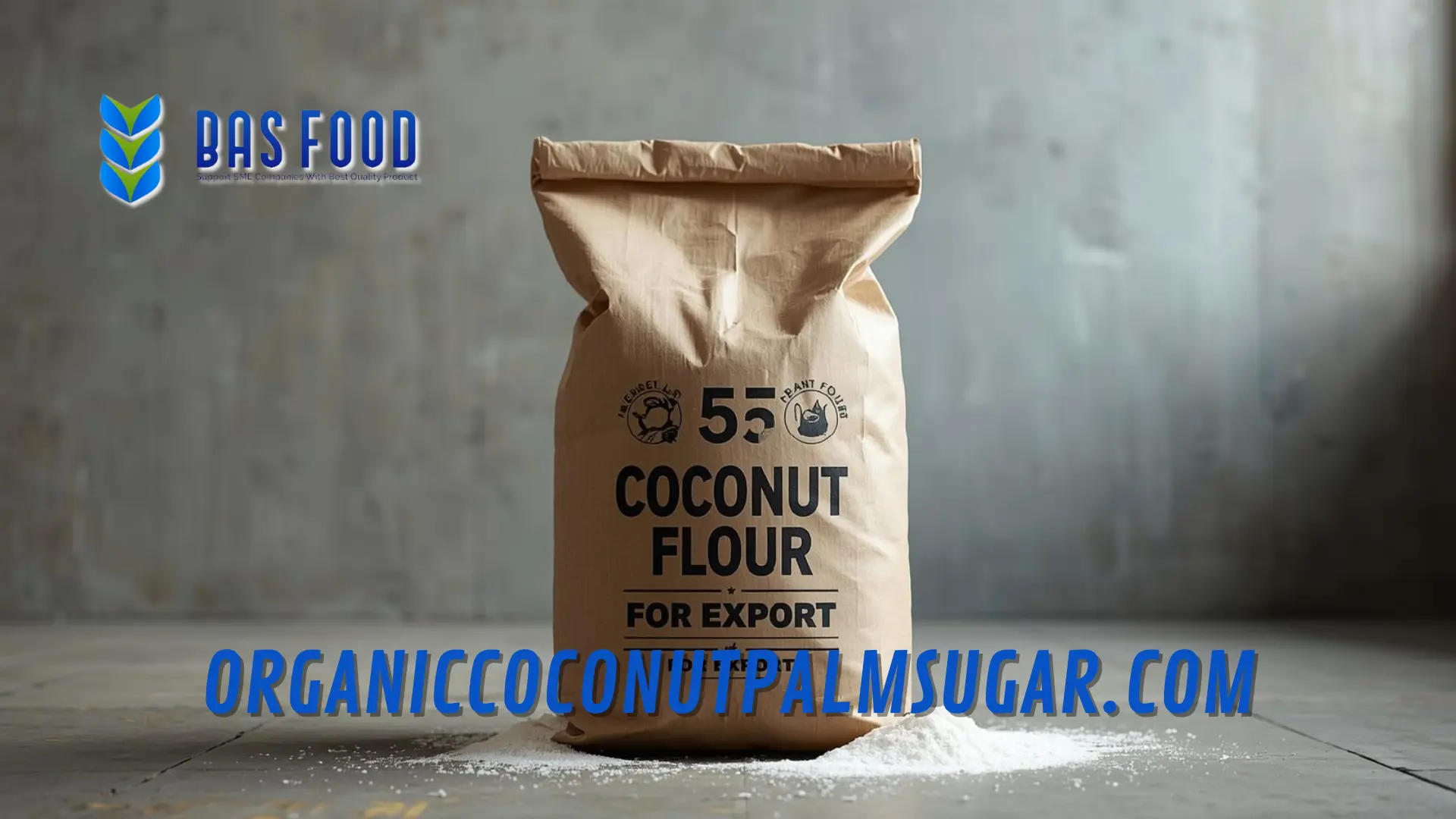
The Most Common Reasons Coconut Flour Fails Inspection
Inspection issues coconut flour shipments face usually start with moisture content. Coconut flour that exceeds acceptable moisture levels becomes vulnerable to mold growth, caking, and spoilage. Inspectors flag this quickly, especially during port-of-entry checks.
Another frequent issue is contamination. This includes foreign matter, inconsistent particle size, or microbiological findings that exceed limits. Even small deviations can trigger quality rejection export decisions. Inspectors focus on consistency because it reflects how well production and handling processes are controlled.
Quality Rejection Export: When Documentation Falls Short
Documentation errors are a silent but serious problem. Incomplete certificates of analysis, mismatched batch numbers, or missing organic documentation often raise red flags. Even if the product itself is acceptable, paperwork mistakes can stop shipments at customs.
Labeling also plays a role. Incorrect ingredient statements, missing allergen declarations, or inaccurate nutritional values lead to compliance failures. Export standards require labels to match both product composition and destination country regulations. This is where many first-time exporters struggle.
Production-Level Mistakes That Cause Export Failure
Problems often start long before shipping. Poor drying techniques leave residual moisture inside coconut flour. While the product may pass visual checks, laboratory tests reveal the issue later. This is a common reason shipments fail coconut flour export standards.
Inconsistent milling and sieving processes also cause trouble. Uneven texture signals weak quality control. Importers expect standardized flour specifications for baking, food processing, or health applications. When product consistency varies between batches, buyers lose confidence and reject future shipments.
Compliance Coconut Industry Requirements Across Markets
Compliance coconut industry rules vary by destination. The EU emphasizes food safety and traceability, while the US focuses heavily on facility registration and preventive controls. Asian markets may prioritize shelf life and packaging durability.
Exporters must understand these differences and adapt accordingly. A one-size-fits-all approach rarely works. Successful exporters align production, testing, and documentation with the strictest target market standards to reduce risk across all destinations.
Packaging and Storage Issues That Trigger Rejection
Packaging failure is another major cause of inspection issues coconut flour shipments encounter. Weak bags, improper inner liners, or damaged seals allow moisture and contaminants to enter. Inspectors treat compromised packaging as a food safety risk.
Storage conditions also matter. Coconut flour stored in humid or poorly ventilated warehouses absorbs moisture over time. Even if production meets standards, poor storage practices can push the product outside acceptable limits by the time it ships.
How Exporters Can Avoid Quality Rejection
The first step is implementing strict internal quality control. Regular moisture testing, microbiological analysis, and batch tracking help catch issues early. Preventive action costs far less than rejected shipments.
Working with experienced logistics partners also reduces risk. Proper container selection, desiccant use, and route planning protect product quality during transit. These steps directly support compliance coconut industry expectations and importer confidence.
The Role of Trusted Suppliers in Meeting Standards
Reliable suppliers understand export requirements beyond basic production. They design processes around international compliance, not local convenience. This mindset separates consistent exporters from occasional sellers.
CV Bonafide Anugerah Sentosa is a trusted producer and supplier of coconut products, spices, and fishery commodities from Indonesia. With experience serving international buyers, the company aligns its coconut flour production with export standards, focusing on moisture control, traceability, and documentation accuracy. This approach helps importers avoid costly quality rejection export scenarios.
Long-Term Strategies for Importers and Buyers
Importers should establish clear specifications and audit suppliers regularly. Requesting pre-shipment inspection reports and third-party testing adds an extra layer of protection. Transparency reduces misunderstandings and improves shipment reliability.
Building long-term relationships with compliant suppliers also matters. When exporters and buyers share standards and expectations, coconut flour shipments move smoothly across borders. Over time, this collaboration minimizes inspection issues coconut flour exports often face.
Final Thoughts on Coconut Flour Export Standards
Coconut flour export standards are not obstacles. They are quality benchmarks that protect everyone involved in the supply chain. Most failures occur due to preventable mistakes in production, packaging, documentation, or storage.
By understanding these risks and working with experienced exporters like CV Bonafide Anugerah Sentosa, importers can avoid costly rejections and build stable supply chains. In global trade, consistency and compliance are not optional. They are the foundation of long-term success.
Contact CV Bonafide Anugerah Sentosa how we can provide the best solutions for you. WhatsApp: +62 8213 4505 737, Email: info@bonafideanugerahsentosa.com / bas.mdir@gmail.com.