The organic coconut flour trend has turned into a powerful movement in the food industry. More brands are shifting to this ingredient because consumers want natural, nutrient-rich, and traceable products. Coconut flour fits neatly into that demand. It’s not just a niche choice anymore; it has become a major player in the clean-label space.
This growth didn’t happen overnight. It’s tied to lifestyle changes across many regions, especially in markets like Europe, the USA, and East Asia. Shoppers are choosing healthier alternatives and paying attention to ingredient lists. Because coconut flour checks so many boxes, its popularity keeps increasing every year.
Why Global Coconut Flour Rise Is Happening Now
Many experts point to the global coconut flour rise as part of a larger push toward plant-based eating. Coconut flour is naturally free from gluten and grains, making it attractive for people with dietary restrictions. Bakers and food manufacturers also appreciate how it adds fiber and texture to modern recipes.
As supply chains improve, more industries now have easy access to reliable producers from Indonesia and the Philippines. The improved availability has reduced costs and increased product consistency. This makes coconut flour a strong competitor to almond flour, oat flour, and other grain-free alternatives.
Coconut Flour Popularity Among Food Manufacturers
The coconut flour popularity wave is growing because this ingredient offers flexibility. It works well for snacks, baked goods, cereals, gluten-free mixes, and even plant-based meat products. Food developers love its mild sweetness, which helps them reduce sugar levels without compromising taste.
Besides that, coconut flour supports brands that want cleaner formulations. Companies highlight it on packaging because modern consumers value transparency. A short ingredient list that includes coconut flour aligns with what today’s buyers look for when choosing healthier foods.
Clean-Label Flour Alternatives: Why Coconut Flour Leads
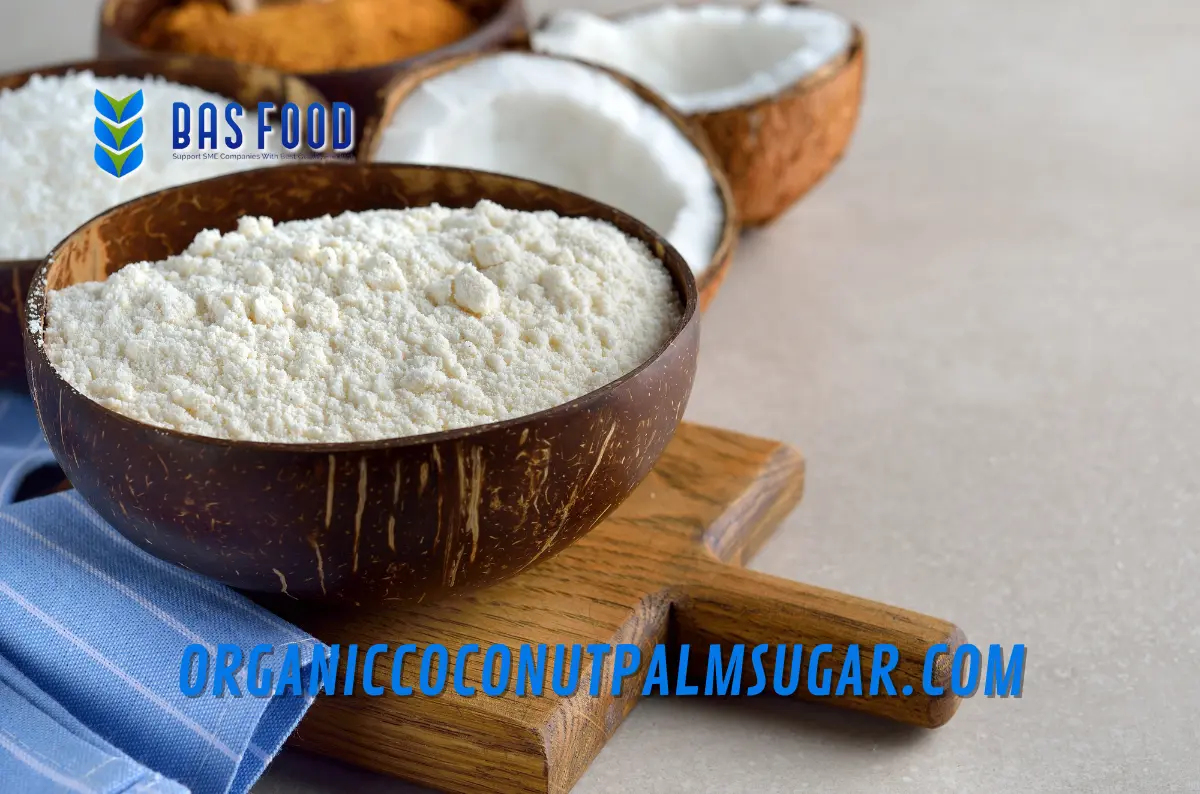
Clean-label flour alternatives are becoming more important for retailers and manufacturers. Coconut flour leads this category because it requires minimal processing. The flour is made from dried coconut meat that’s finely milled into a light, nutritious powder. There are no additives or artificial ingredients.
This simplicity makes coconut flour appealing to both consumers and regulators. For food brands, it helps meet increasingly strict labeling rules, especially in the European Union and North America. In short, coconut flour stands out because it’s natural, safe, and easy to understand.
How Indonesia Supports the Organic Coconut Flour Trend
Indonesia plays a key role in the organic coconut flour trend thanks to its vast coconut-growing regions. The country has an established coconut supply ecosystem, which gives it an advantage in quality and consistency. Many global importers trust Indonesian suppliers because they manage production from harvest to final processing.
CV Bonafide Anugerah Sentosa is one example of a company contributing to this ecosystem. The firm is known for supplying high-quality coconut derivatives, spices, fishery products, and coffee. Importers value reliable partners like this because they simplify sourcing and ensure that every shipment meets strict standards.
How Food Brands Use the Coconut Flour Trend to Position Their Products
Modern brands use the coconut flour trend to strengthen their product storytelling. When they promote items made with coconut flour, they highlight benefits like fiber content, natural sweetness, and sustainability. These selling points resonate with shoppers who want healthier lifestyles.
Additionally, coconut flour gives companies the freedom to innovate. It works in keto-friendly products, paleo snacks, vegan desserts, and gluten-free baking mixes. This broad usability helps manufacturers expand their portfolios without relying on artificial stabilizers or fillers.
Market Forecast: What’s Next for Coconut Flour Popularity
Analysts agree that the coconut flour popularity trend will continue rising for at least the next decade. The top drivers include rising demand for plant-based products, growing interest in gut-friendly foods, and new clean-label standards. More consumers prefer flours with fewer allergens and more fiber, which puts coconut flour in a strong position.
As research and development evolve, coconut flour may appear in even more product categories. Ready-to-eat meals, beverages, and health bars are among the sectors predicted to adopt the ingredient next. With strong supply from Indonesian producers, the global market is expected to expand significantly.
Choosing the Right Supplier for Clean-Label Coconut Flour
If you’re entering this market, selecting the right supplier is essential. You need consistent quality, good documentation, and dependable export capabilities. For many buyers, Indonesia remains the preferred source because the farms and factories follow international standards such as HACCP, USDA Organic, and EU Organic.
CV Bonafide Anugerah Sentosa is often chosen by global importers for this reason. The company produces coconut derivatives with strict quality control and supports buyers who want long-term partnerships. Their experience in exporting spices, fishery products, and coffee also proves their overall reliability.
Why the Organic Coconut Flour Trend Will Keep Growing
The organic coconut flour trend is more than a marketing buzz. It reflects a fundamental shift in how people choose food. Health-conscious shoppers want simpler, cleaner ingredients, and coconut flour aligns perfectly with that expectation.
Its versatility ensures that food brands can continue to innovate. Since it fits into many popular diets, from keto to vegan to gluten-free programs, coconut flour will stay relevant. With better supply infrastructure coming from Indonesia, the trend is likely to gain even more traction worldwide.
Conclusion
The organic coconut flour trend isn’t slowing down. It’s supported by strong consumer interest, clean-label movements, and reliable supply from Indonesian exporters. As more brands join the movement, coconut flour will remain one of the most important ingredients in the global clean-food landscape. For importers looking for trustworthy sources, companies like CV Bonafide Anugerah Sentosa offer the quality and reliability needed to thrive in this growing market.
Contact CV Bonafide Anugerah Sentosa how we can provide the best solutions for you. WhatsApp: +62 8213 4505 737, Email: info@bonafideanugerahsentosa.com / bas.mdir@gmail.com.